
Lyft is a ride-sharing service that connects passengers with drivers through a user-friendly mobile application. It offers a convenient and affordable alternative to traditional taxis and public transportation, providing a seamless experience for users who need a quick and reliable ride. This article delves into the features, benefits, and overall user experience of the Lyft platform.
Lyft’s Core Functionality and User Experience
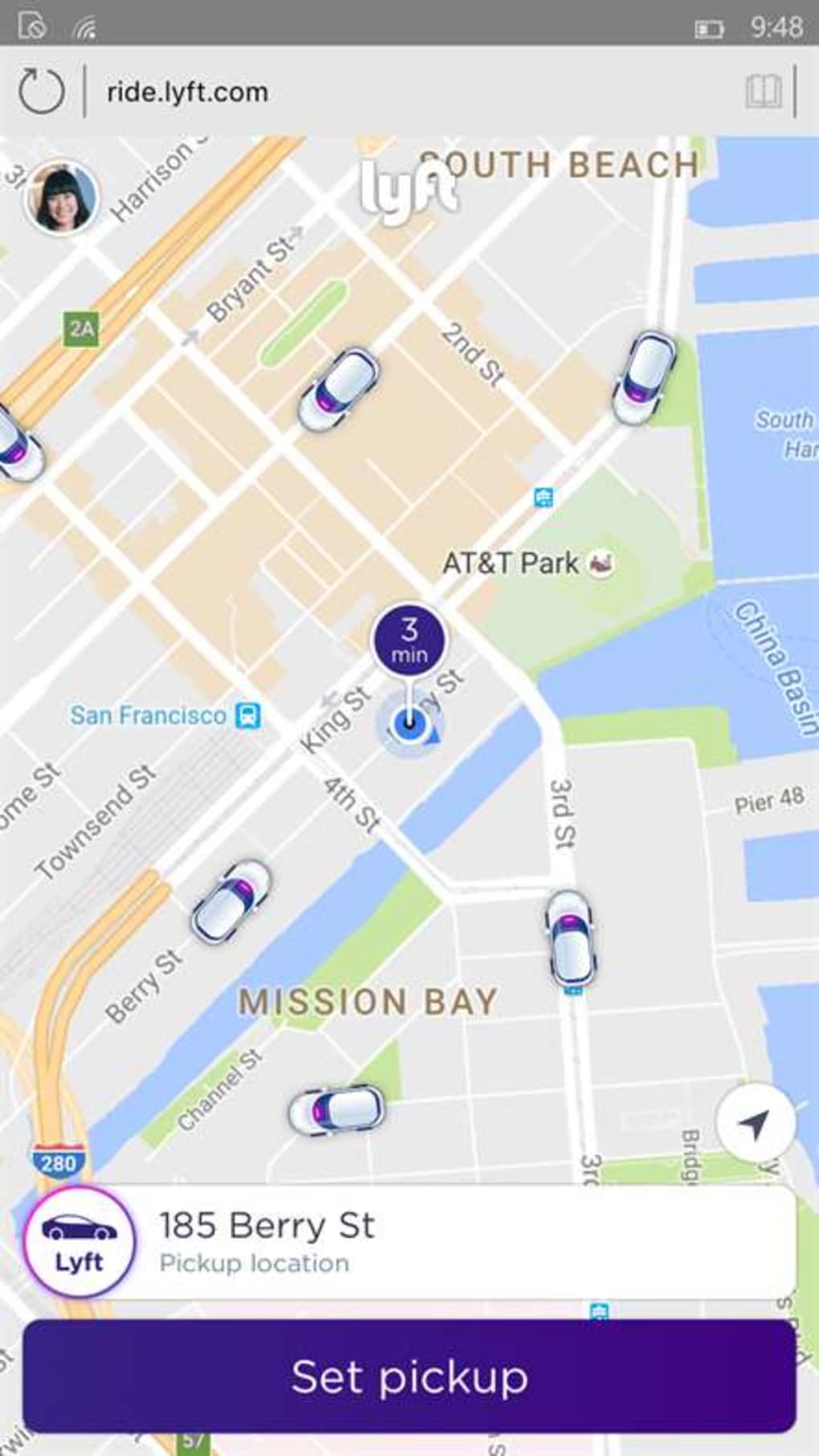
The Lyft app boasts an intuitive interface, making it easy for users to request a ride, track their driver’s location, and manage payments. Upon opening the app, users are presented with a map displaying their current location. They simply enter their destination, and the app calculates the estimated fare and provides an array of ride options. These options often vary in vehicle type, seating capacity, and price, catering to diverse needs and budgets. The app clearly displays the driver’s estimated arrival time, vehicle information (make, model, and license plate), and a real-time tracking feature that allows users to follow their driver’s progress en route.
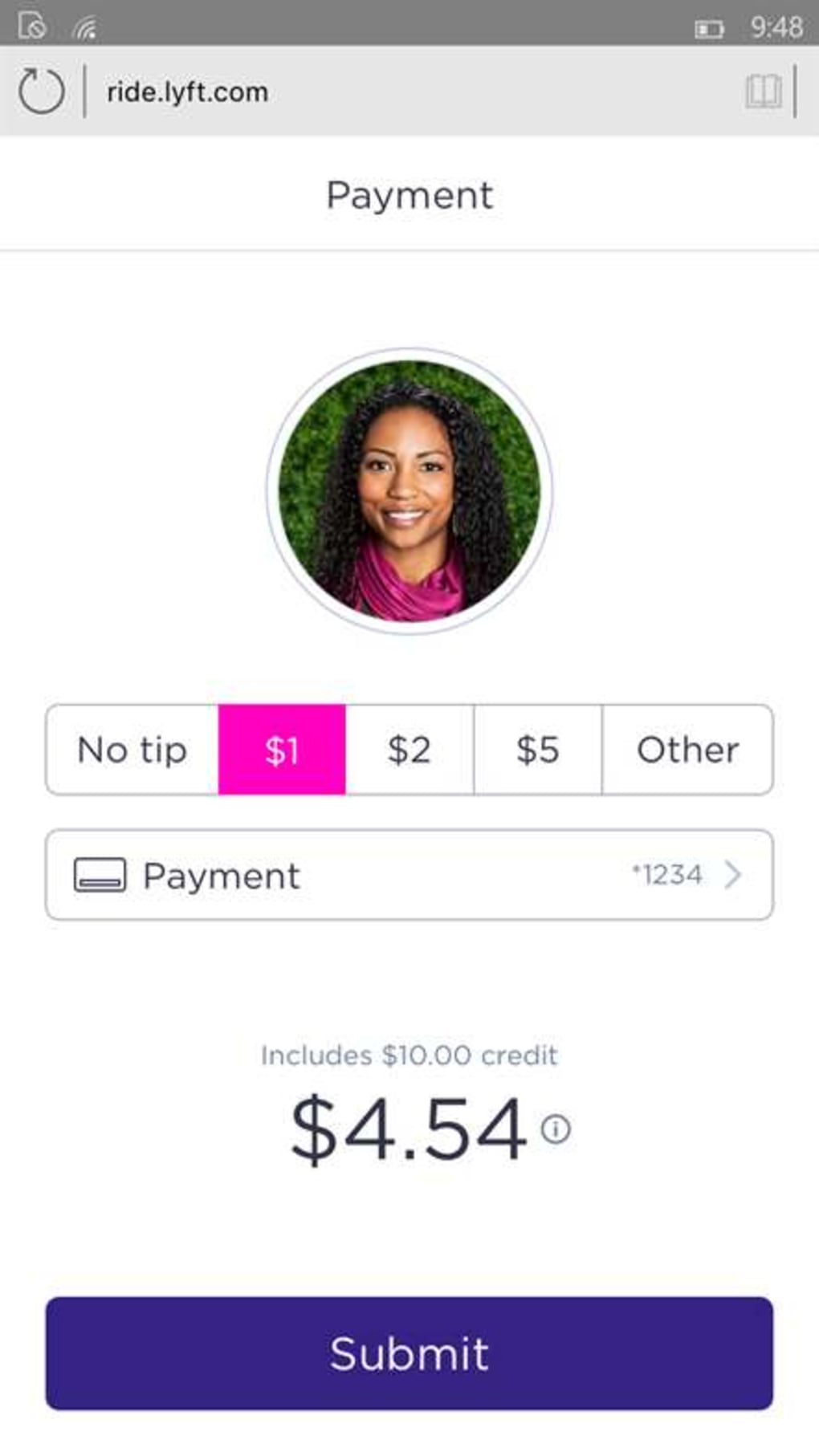
Payment is seamlessly integrated within the app, eliminating the need for cash transactions. Users can securely link their credit or debit cards to their account and pay directly through the platform. The fare is automatically calculated based on distance, time, and any applicable surge pricing. Furthermore, Lyft offers features like ride splitting, allowing passengers to easily divide the fare amongst multiple riders, streamlining the payment process for group travels.
The app also provides an optional tipping feature, allowing passengers to reward their drivers for exceptional service. This feature is completely voluntary but offers users a way to express appreciation for a positive ride experience. Overall, the user experience is designed for simplicity and ease of use, allowing even first-time users to quickly navigate the platform and request a ride. The app’s real-time tracking and clear communication further enhance the user experience, fostering trust and security throughout the ride.
Lyft’s Competitive Advantages and Benefits
Lyft stands out from other ride-sharing services and traditional taxi services due to several key advantages:
-
Affordability: Lyft frequently offers competitive pricing, often undercutting traditional taxi fares, especially during off-peak hours. The transparent pricing structure, displayed upfront before confirming a ride, prevents unexpected costs and builds user trust. Promotional offers and discounts further enhance the affordability, making it a budget-friendly option for regular commuters and occasional users alike.
-
Convenience and Accessibility: The app’s intuitive design and widespread availability make it incredibly easy to access transportation. Users can request a ride from virtually anywhere within the Lyft service area, eliminating the need to search for taxis or wait for public transport. This accessibility is particularly beneficial in areas with limited public transit options or during late-night hours.
-
Safety and Security: Lyft prioritizes user safety with various measures, including driver background checks, vehicle inspections, and in-app safety features. The app provides users with the driver’s information, vehicle details, and allows them to share their ride details with friends and family. The platform also offers emergency assistance features, providing an added layer of security.
-
Diverse Ride Options: Lyft caters to a wide range of needs by offering several ride options. This includes standard rides, shared rides (for cost-saving opportunities by sharing a ride with other passengers heading in a similar direction), and premium options with higher-end vehicles and enhanced features. This variety ensures there’s a suitable option for every situation, from quick commutes to special occasions.
- Customer Support: Lyft provides responsive customer support channels, addressing user inquiries and resolving issues promptly. Users can contact customer service through various methods, such as phone, email, and in-app support features. This readily available support provides reassurance and resolves any problems or concerns that may arise.
Lyft’s Impact on the Transportation Industry
Lyft’s emergence has significantly impacted the transportation industry. Its ride-sharing model has presented a viable alternative to traditional taxi services, fostering competition and driving innovation within the sector. The platform has also contributed to a wider shift towards on-demand services, influencing consumer behavior and expectations.
One of Lyft’s major impacts is its increased accessibility to transportation. It has provided transportation options in areas underserved by traditional taxi services or public transit, benefiting commuters in both urban and suburban areas. This increased accessibility positively impacts individuals’ daily lives and expands their overall mobility.
However, the rise of ride-sharing services like Lyft has also raised debates surrounding employment regulations, driver compensation, and the overall economic impact on the transportation industry. The debate around worker classification (independent contractor versus employee) has significant implications for driver benefits and protections. Furthermore, the surge pricing model, while designed to incentivize drivers during high demand periods, can also raise concerns regarding affordability during peak hours.
Lyft’s Future and Ongoing Development
Lyft continues to evolve and expand its services. The company is investing heavily in technological advancements, including autonomous vehicle technology, to enhance efficiency and improve the overall user experience. They are also exploring new partnerships and integrations with other transportation modes and services, aiming to offer a more comprehensive and integrated transportation solution. The company’s ongoing development includes an emphasis on sustainable practices, integrating electric vehicles and promoting environmentally friendly transportation choices. This ongoing commitment to innovation and sustainability will continue shaping the future of ride-sharing and impacting the broader transportation landscape.
Furthermore, Lyft remains committed to improving its safety features and expanding its accessibility features. The platform actively seeks feedback from its users and incorporates it into its ongoing development and improvement efforts. This user-centric approach is critical to the platform’s continued success and its relevance within the increasingly competitive ride-sharing market. The future of Lyft is intertwined with its ongoing development and its adaptation to the ever-changing needs and expectations of its users. By focusing on innovation, sustainability, and a user-centric approach, Lyft aims to maintain its position as a leading ride-sharing service.
File Information
- License: “Free”
- Version: “1.0”
- Latest update: “March 7, 2019”
- Platform: “Windows”
- OS: “Windows 10”
- Language: “English”
- Downloads: “1.7K”


