
Macrium Reflect is a powerful and versatile disk imaging software solution available for Windows. While a paid version offers expanded features, the free edition provides a robust set of tools for creating and managing disk images, making it a compelling option for both home users and small businesses seeking reliable data protection. This review delves into the capabilities, ease of use, and limitations of Macrium Reflect, comparing it to other available options and exploring its strengths and weaknesses.
Creating and Managing Disk Images: Simplicity Meets Power
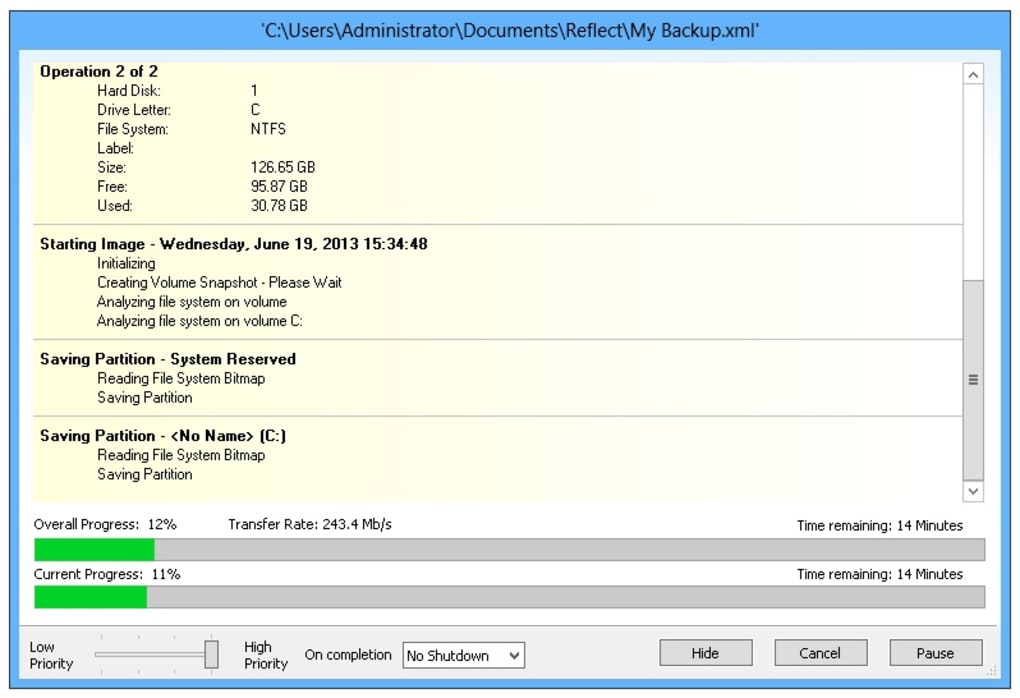
At its core, Macrium Reflect excels at creating exact images of hard drives and servers. This process, often referred to as disk cloning or imaging, creates a bit-by-bit copy of the selected drive, preserving everything from the operating system and applications to user data and settings. This capability provides a crucial recovery mechanism in the event of hardware failure, system corruption, or accidental data loss.
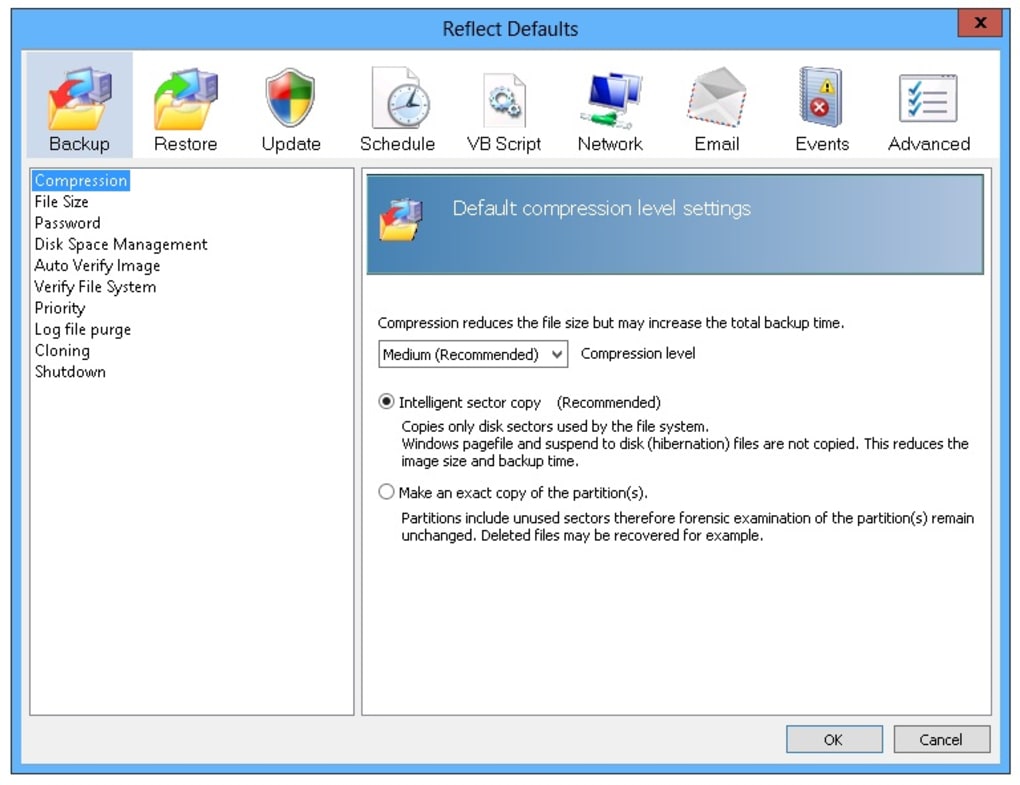
The software’s user interface is generally intuitive, even for users with limited technical expertise. The built-in assistant guides users through the image creation process, simplifying complex tasks and minimizing the risk of errors. Users select the target drive, choose a destination (typically an external drive, network share, or cloud storage), and initiate the imaging process. Macrium Reflect intelligently handles the complexities of the underlying processes, ensuring a seamless and reliable image creation experience. The software offers various compression levels, allowing users to balance storage space with imaging speed. This flexibility is a significant advantage, enabling users to optimize the imaging process based on their specific needs and available resources.
The creation of bootable rescue media is a crucial feature for disaster recovery. While the free version may have limitations in the operating systems supported for rescue media (the original text mentions limitations with Linux, Windows XP, and Windows Server 2003 – but this may have been updated), this ability to create a bootable recovery environment independent of the main operating system greatly enhances the software’s recovery capabilities. In case of a system crash where the primary operating system becomes inaccessible, the rescue media allows users to boot the system from the external media and restore the disk image, effectively reviving the system to its previous state.
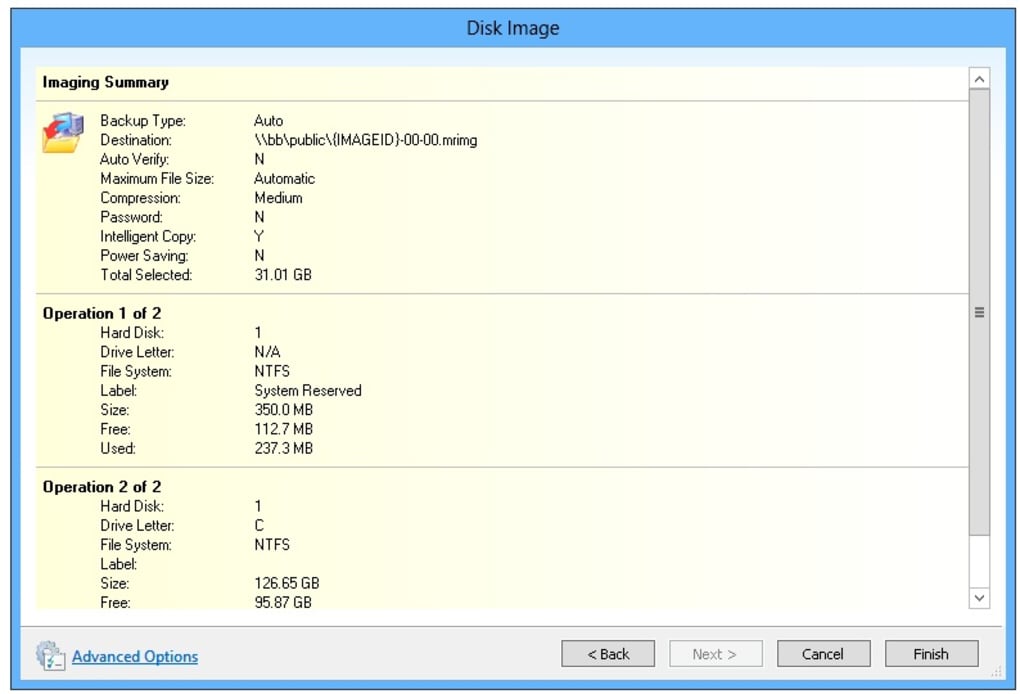
Beyond image creation, Macrium Reflect offers features for managing existing images. Users can easily browse, select, and restore specific images, providing flexibility and control over the recovery process. The software’s ability to perform incremental backups (though not explicitly detailed in the original text) allows for efficient storage management, storing only the changes made since the last full backup, rather than repeatedly backing up the entire system.
Scheduled Backups and Automation: A Room for Improvement
While the core disk imaging functionality is robust and user-friendly, the scheduled backup feature has received some criticism (as noted in the original text). The reliance on XML template files for scheduling may present a steeper learning curve for novice users. Although experienced users might find this approach flexible and powerful, a more intuitive interface for scheduling would greatly improve accessibility. Simplified scheduling options, such as straightforward daily, weekly, or monthly backup schedules, would make the software more accessible to a wider range of users. This is an area where Macrium Reflect could benefit from improvement, making the powerful scheduled backup capabilities more user-friendly.
Comparison with Alternative Software: A Competitive Landscape
Macrium Reflect stands out in the crowded field of disk imaging software thanks to its free version. Many competing solutions either offer limited free versions or require a paid license for full functionality. The original text mentions Acronis True Image and EaseUS Disk Copy as alternatives, highlighting their strengths and weaknesses in comparison. Acronis True Image, while considered a robust and comprehensive solution, typically requires a paid subscription. EaseUS Disk Copy offers a free version with potentially fewer features compared to Macrium Reflect.
The availability of a full-featured free edition is a considerable advantage for Macrium Reflect, attracting users who might be hesitant to invest in paid software, or those who only need disk imaging capabilities on occasion. This free tier makes it a strong contender in the market, especially for home users or small businesses operating with tight budgets. The absence of restrictive limitations in the free version—such as limitations on image size or features—further solidifies its position as a highly competitive option.
User Reviews and Community Support: A Valuable Asset
User reviews (some of which are included in the original text) provide valuable insights into the real-world experiences of Macrium Reflect users. While positive feedback frequently highlights the software’s ease of use, speed, and reliability, some criticisms consistently focus on the complexity of scheduled backups and limitations of the free rescue media. The availability of active forums and community support is essential for addressing user concerns and providing assistance, allowing users to find solutions to potential issues and share their experiences. The strength of the community support can be a crucial factor influencing the overall user experience and the perceived value of the software. A responsive and helpful community can mitigate the impact of minor software quirks or limitations.
Conclusion: A Powerful Free Option with Room for Growth
Macrium Reflect offers a compelling solution for users seeking free, robust disk imaging software. Its intuitive interface and powerful functionality make it accessible to both novice and experienced users. The ability to create exact disk images, restore systems from backup, and create bootable rescue media significantly enhances data protection and disaster recovery capabilities. While the scheduling feature could benefit from enhanced usability, the overall strengths of the free edition make it a powerful and valuable tool. The active community support further enhances the software’s appeal, providing a valuable resource for users seeking assistance or troubleshooting solutions. As the software continues to evolve, addressing user feedback and streamlining certain processes, it is poised to further consolidate its position as a leading free disk imaging solution.
File Information
- License: “Free”
- Latest update: “February 5, 2025”
- Platform: “Windows”
- OS: “Windows 7”
- Language: “English”
- Downloads: “63.7K”
- Size: “5.60 MB”


