
The internet, a boundless ocean of information, can sometimes feel more like a turbulent sea of unwanted content. For many, the constant barrage of political news and imagery can be overwhelming, even draining. In 2017, amidst a particularly charged political climate, a novel solution emerged: Make America Kittens Again (MAKA). This application offered a unique approach to managing online information overload, promising a refreshing escape from the relentless stream of certain political figures by replacing their images with adorable kittens. While the app’s primary function was to filter out specific individuals, its simple concept tapped into a broader desire for online control and a lighter, less stressful digital experience.
This exploration delves into the functionality, impact, and broader implications of MAKA, examining its technical aspects, its user experience, and its reflection of a growing need for personalized online environments. The app, while seemingly lighthearted, highlights crucial issues surrounding online content curation, algorithmic bias, and the user’s agency in navigating the digital landscape.
The Mechanics of Kitten-Powered Filtering
Make America Kittens Again operated on a relatively simple principle: image recognition and substitution. The app utilized an algorithm designed to identify images of specific individuals – primarily Donald Trump, but also offering options for other figures like Mike Pence, Marine Le Pen, and Nigel Farage – and replace them with pictures of kittens. This process occurred automatically, functioning as a background process on the user’s device. Essentially, it acted as a visual filter, altering the user’s online experience by transforming potentially stressful or unwanted imagery into something far more calming.
The technical details of the algorithm remain largely undisclosed, but its effectiveness relied heavily on image recognition capabilities. The algorithm likely employed a combination of techniques, such as facial recognition and object detection, to identify the target individuals in images. The accuracy of this process directly impacted the user experience. While it aimed to be comprehensive, the inherent limitations of image recognition technology meant that some images of the target individuals might slip through the filter, resulting in the occasional unexpected appearance of the original image instead of a kitten.
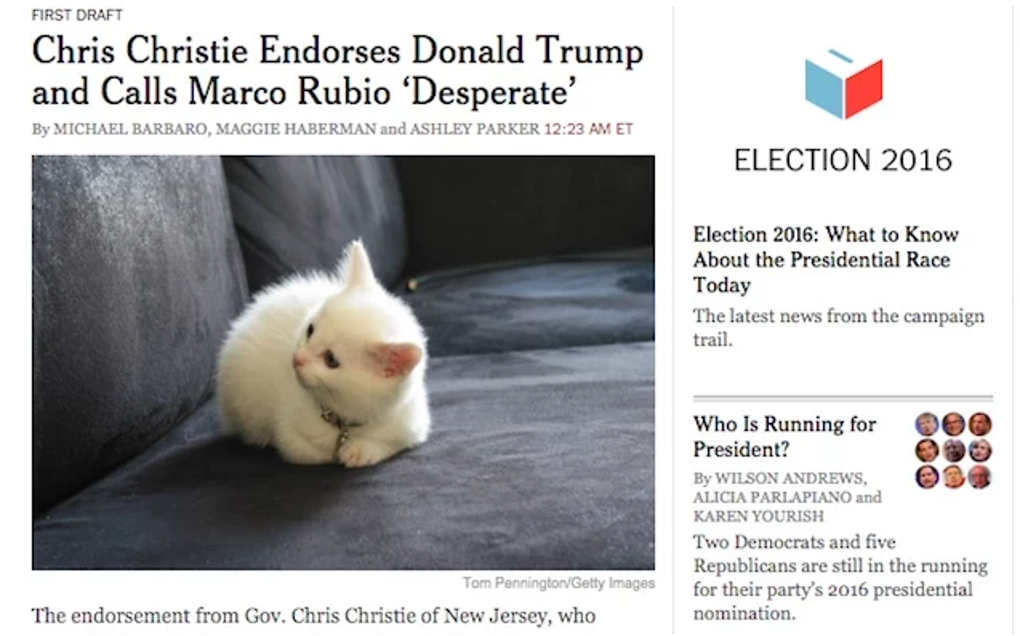
Furthermore, the app’s functionality wasn’t limited to individual images. The algorithm likely analyzed web pages as a whole, potentially triggering the replacement of multiple instances of the target individuals within a single page. This feature, while aiming for comprehensive filtering, presented a potential drawback. The indiscriminate replacement of images across an entire page could inadvertently distort or obscure important contextual information, potentially leading to misunderstandings or the inability to access specific details of the content.
User Experience: A Balancing Act Between Convenience and Control
The user experience of MAKA was designed for simplicity and ease of use. The app boasted a user-friendly interface, making it accessible to users regardless of their technical expertise. Its automatic background operation further enhanced its user-friendliness, requiring minimal user interaction once activated. This ease of use was a key factor in its appeal, making it attractive to those seeking a quick and straightforward solution to their information overload.
However, the app’s simplicity also presented limitations. The lack of granular control over the filtering process could lead to unintentional consequences. While users could specify the individuals they wanted to filter, there was no mechanism to fine-tune the algorithm’s sensitivity or to exclude specific images or contexts. This lack of granular control meant that some users might experience unintended blocking of pages or information, highlighting a tension between convenience and personalized control.
The app’s impact on user experience extended beyond the immediate visual changes. The constant replacement of potentially inflammatory imagery with calming images of kittens created a psychologically distinct online experience. This shift could be interpreted as a form of digital self-care, offering users a respite from the stressful aspects of online political discourse. However, the potential for information distortion and the lack of control over the filtering process also necessitated careful consideration.
Beyond Kittens: The Broader Implications of Online Content Curation
MAKA, though seemingly a whimsical application, speaks to a larger trend in online content management and user agency. The app’s core function – altering online content to suit individual preferences – highlights the growing need for personalized digital environments. As the internet continues to grow in size and complexity, users are increasingly seeking ways to filter and curate the information they consume, effectively shaping their online experiences to align with their individual needs and preferences.
The app also inadvertently reveals challenges inherent in algorithmic content filtering. The reliance on image recognition technology exposes the limitations of algorithms in perfectly capturing human intent and context. The occasional errors in image identification and the potential for unintended information blocking highlight the inherent biases and limitations of algorithms designed to process complex visual data. This raises important questions about the ethical implications of algorithmic content filtering and the need for transparent and accountable algorithmic design.
Moreover, MAKA’s existence underscores the impact of political polarization and information overload on the individual’s mental well-being. The app’s popularity suggests a significant segment of the population seeking methods to manage and mitigate the stress associated with constant exposure to politically charged content. This highlights a critical need for tools and strategies that facilitate healthy digital consumption and enhance the user’s capacity to manage their online environment effectively.
MAKA’s Legacy: A Reflection of Evolving User Needs
Make America Kittens Again, while no longer actively maintained, remains a noteworthy example of a user-driven solution to a very real problem in the digital age: information overload and the stress associated with unwanted online content. The app’s simplicity, coupled with its creative approach to content filtering, provided a unique and often humorous solution that resonated with many users. However, its limitations highlight the challenges inherent in algorithmic content curation and the ongoing need for more sophisticated and personalized tools that empower users to control their online experiences.
While the app’s specific functionality may be outdated, its underlying concept of personalized content filtering remains highly relevant. The desire for curated, less stressful online environments continues to grow, and future technologies will likely build upon the insights offered by MAKA, refining content filtering techniques to offer users greater control and accuracy in managing their digital landscapes. In that sense, MAKA’s legacy isn’t simply about replacing political figures with kittens; it’s about the ongoing evolution of the user’s relationship with technology and the increasing need to shape our digital experiences to reflect our individual needs and preferences. The pursuit of a calmer, more controlled online world continues, and MAKA serves as a charming, albeit imperfect, stepping stone on that journey.
File Information
- License: “Free”
- Latest update: “February 1, 2017”
- Platform: “Windows”
- OS: “Windows 8.1”
- Language: “English”
- Downloads: “474”


