
Marvel: Ultimate Alliance 2, released in 2009, offered a compelling sequel to the popular superhero brawler. Building upon the foundation of its predecessor, this game immersed players in a thrilling narrative centered around the Superhero Registration Act, a pivotal storyline from the Marvel Comics universe. This conflict, dividing the superhero community, formed the backbone of the game’s engaging campaign, offering players the unique experience of choosing a side and experiencing the consequences of their allegiance. Beyond the compelling narrative, the game delivered refined gameplay mechanics, an expansive roster of iconic and lesser-known Marvel characters, and a deep cooperative multiplayer experience.
A Diverse Roster of Marvel Heroes and Villains
Marvel: Ultimate Alliance 2 boasted an incredibly diverse roster of playable characters, spanning the entire spectrum of Marvel’s extensive universe. From established A-listers like Captain America, Iron Man, Wolverine, and Spider-Man to lesser-known characters such as Penance (the reformed Speedball) and many others, players had a vast selection of heroes to assemble their dream team. Each character possessed a unique set of abilities and fighting styles, encouraging players to experiment with different team compositions to optimize their strategies against the diverse range of enemies. The sheer breadth of the character selection was a significant draw, catering to both seasoned Marvel fans and newcomers alike. This wasn’t just a simple collection of characters; the inclusion of lesser-known heroes added depth and allowed players to discover and appreciate characters they might not have otherwise encountered.
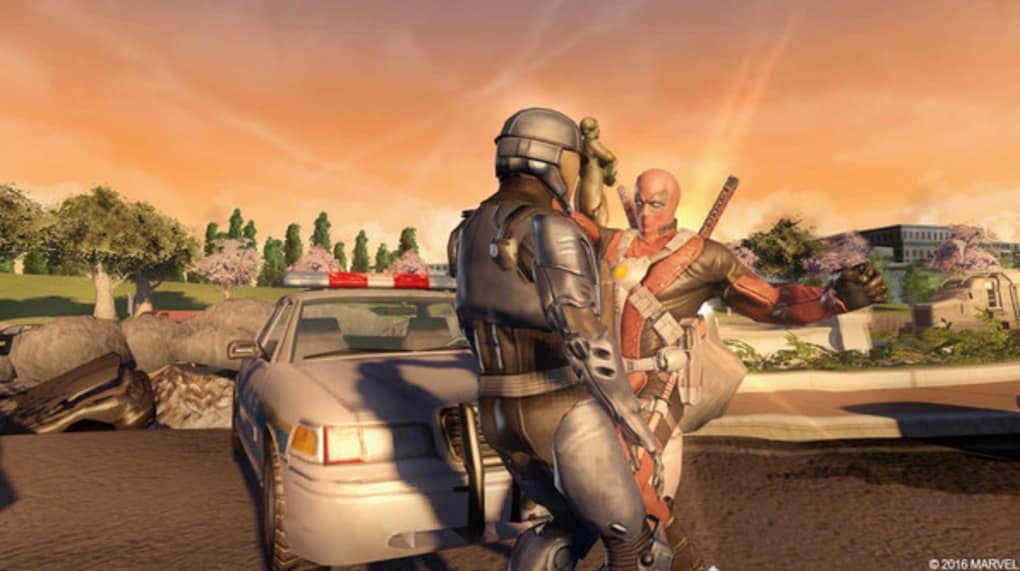
The game skillfully integrated the characters into the narrative’s central conflict, the Superhero Registration Act. This division not only provided a compelling narrative framework but also strategically influenced the character selection process. Certain characters were aligned with either the pro-registration or anti-registration factions, leading to compelling narrative choices and influencing gameplay strategies. Players were forced to confront the ethical dilemmas presented by the act, shaping their experiences based on their chosen allegiance. This narrative integration amplified the overall experience, transforming a simple superhero brawl into a politically charged conflict reflecting the complexities of the Marvel universe.
Gameplay Mechanics: A Blend of Action and Strategy
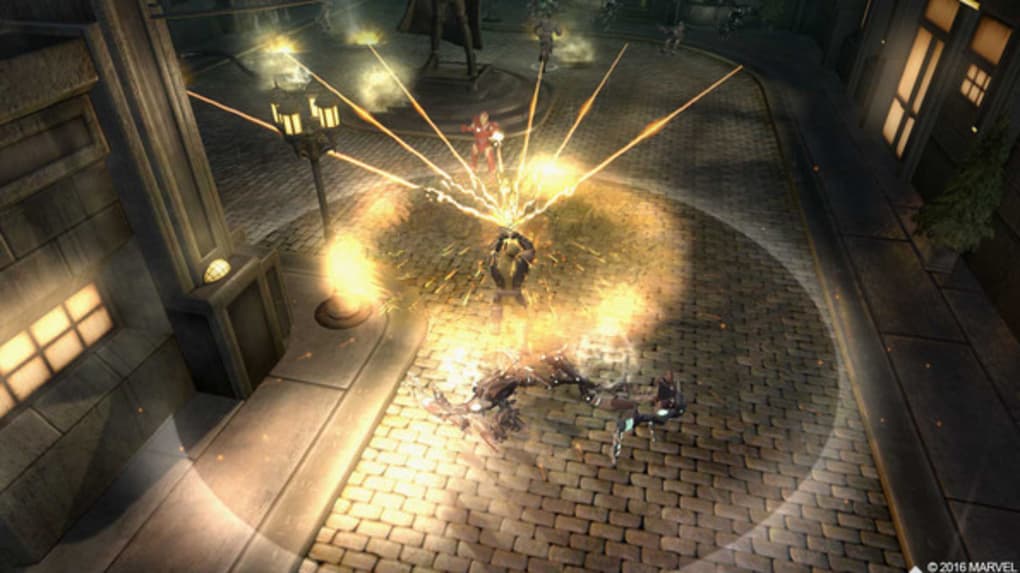
Marvel: Ultimate Alliance 2 retained the isometric perspective of its predecessor, offering a clear and engaging view of the action. The core gameplay loop centered on fast-paced, action-packed combat, encouraging players to utilize each character’s unique abilities and powers to overcome their enemies. The combat system, though relatively simple at first glance, offered a surprising degree of depth. Each character had access to a variety of attacks, including basic light and heavy attacks, which could be combined into impactful combos to produce stunning visual effects and tactical advantages.
Beyond basic attacks, the game introduced a stamina system, which strategically limited the frequency with which players could use their special powers. This added a layer of strategic depth, requiring players to manage their resources effectively to avoid becoming overwhelmed. Power management became crucial in boss battles, which demanded careful planning and execution. The introduction of Fusion Stars, items that allowed for the combination of powers between characters to unleash devastating Fusion attacks, further enhanced the strategic aspects of the gameplay. These Fusions offered unique tactical advantages, with Targeted Fusions capable of inflicting significant damage against powerful bosses and Clearing Fusions able to eliminate large groups of weaker enemies.
The inclusion of a leveling system allowed players to customize their characters’ abilities and improve their stats, further enriching the gameplay experience. This RPG-lite element added longevity and encouraged repeated playthroughs to maximize character potential. Combined with the ability to seamlessly switch between characters during combat, the game presented a dynamic and engaging combat system that rewarded strategic thinking and skillful execution.
The Superhero Registration Act: A Moral Choice with Gameplay Consequences
At the heart of Marvel: Ultimate Alliance 2 lay the narrative of the Superhero Registration Act, a significant event in the Marvel Comics storyline. This central conflict divided the superhero community, forcing players to make a critical choice: side with Iron Man’s pro-registration forces or Captain America’s anti-registration faction. This decision wasn’t merely a narrative choice; it directly impacted the game’s progression and the characters available to the player. Choosing a side locked certain characters to that faction, requiring players to complete the game multiple times to experience all the content and unlock every character.
This innovative design choice significantly increased the game’s replayability. The distinct narrative experiences offered by each side, along with the unique character combinations possible, encouraged multiple playthroughs. Players could delve deeper into the complexities of the conflict, exploring different perspectives and strategies based on their chosen allegiance. This thoughtful narrative implementation, tightly integrated with the gameplay mechanics, elevated Marvel: Ultimate Alliance 2 beyond a simple beat-’em-up, creating a truly engaging and multifaceted experience.
Multiplayer Mayhem: Cooperative Superhero Action
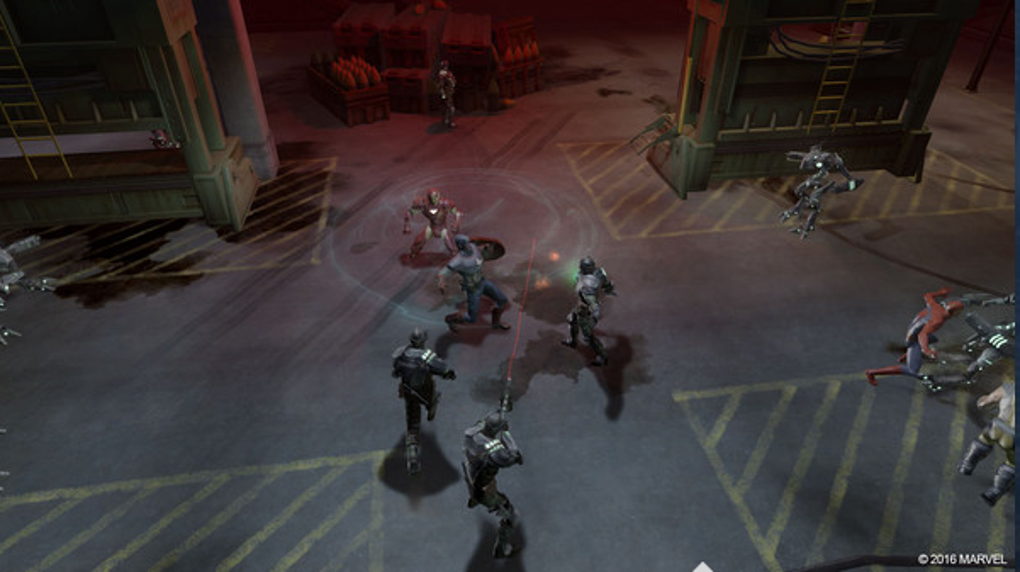
Marvel: Ultimate Alliance 2 offered a robust cooperative multiplayer mode, allowing up to four players to team up and battle through the game’s challenging levels. This cooperative mode significantly enhanced the game’s overall appeal, creating opportunities for collaborative gameplay and shared experiences. Working together to defeat powerful enemies and coordinate the use of Fusion attacks became an essential part of overcoming the game’s challenges. The seamless integration of online multiplayer allowed for flexible and spontaneous group play, bringing the thrill of cooperative superhero action to a wider audience.
While the Fusion system added a compelling teamwork mechanic to the single-player mode, its implementation in multiplayer proved to be slightly less intuitive. Coordinating the precise timing and execution of Fusions with multiple players added an extra layer of complexity, requiring effective communication and coordination. Despite this minor challenge, the ability to experience the game’s thrilling battles with friends created an unforgettable and rewarding experience.
A Lasting Legacy: Criticisms and Continued Appeal
While widely praised for its expansive roster, compelling narrative, and engaging gameplay, Marvel: Ultimate Alliance 2 wasn’t without its detractors. Some critics pointed to its somewhat imperfect console port, citing minor technical issues. Despite these minor criticisms, the game’s overall reception was overwhelmingly positive. The game’s blend of action-packed combat, strategic depth, and immersive narrative ensured its enduring appeal among fans of superhero games and Marvel enthusiasts alike. The strategic choices presented by the Superhero Registration Act, combined with the ability to experience the game from both sides, ensured that Marvel: Ultimate Alliance 2 delivered a highly replayable and captivating experience that continues to resonate with fans even today. The game successfully captured the essence of the Marvel universe, blending iconic characters, compelling storytelling, and engaging gameplay mechanics to create a superhero experience that continues to be remembered fondly.
File Information
- License: “Full”
- Latest update: “June 14, 2023”
- Platform: “Windows”
- OS: “Windows 7”
- Language: “English”
- Downloads: “12.9K”


