
Marvel’s Avengers, a title brimming with potential, ultimately fell short of expectations. Developed by Crystal Dynamics and Eidos Montreal, this action RPG promised a unique take on the beloved Marvel universe, allowing players to embody iconic heroes and fight to save the world. However, a combination of factors, including a lackluster live-service model, inconsistent gameplay, and significant deviations from established character designs, led to its ultimate demise. This article delves into the game’s highs and lows, exploring its initial promise, its rocky development journey, and its bittersweet farewell.
A Promising Beginning: Avengers Assemble…Again
The game opens on Avengers Day, a public celebration designed to showcase Earth’s Mightiest Heroes. The setting is the West Coast Avengers Tower in San Francisco, with the Avengers gathered aboard a S.H.I.E.L.D. Helicarrier. This seemingly idyllic scene is quickly shattered by the arrival of Taskmaster, a formidable new villain wielding advanced repulsor weaponry and backed by a formidable army of mercenaries. This sets the stage for a dramatic clash between the Avengers and Taskmaster, launching the player into a thrilling adventure. The narrative serves as a solid foundation, tapping into the established lore and excitement surrounding the Avengers. The introductory sequence effectively demonstrates the power and unique abilities of each Avenger, building anticipation for the gameplay to follow.
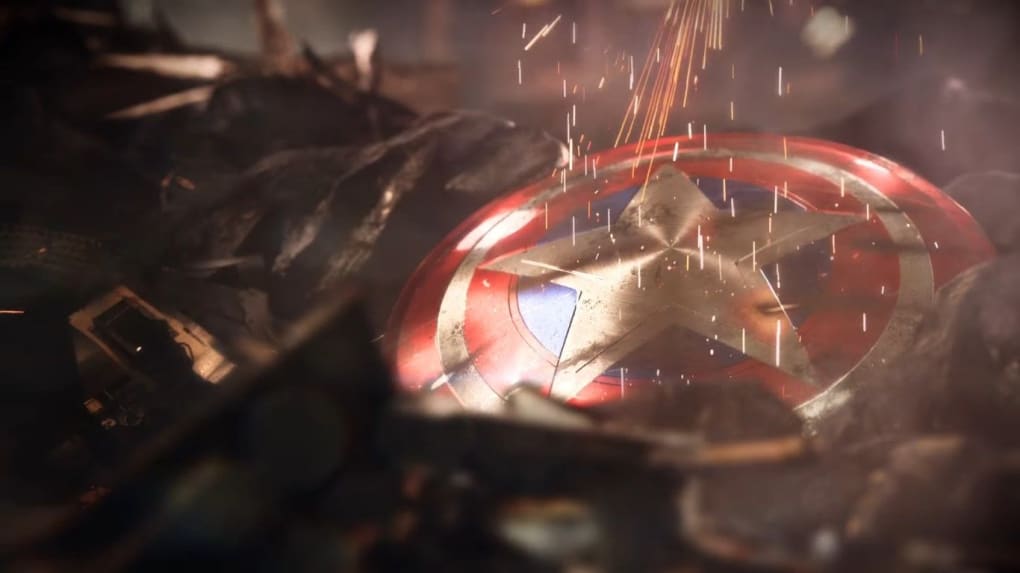
Unique Gameplay: A Shifting Perspective
Unlike many RPGs that lock the player into a single character’s perspective throughout the story, Marvel’s Avengers offers a dynamic, moment-to-moment gameplay experience. The game allows seamless switching between various Avengers, each possessing a distinct play style and set of abilities. One moment, you might be wielding Thor’s mighty Mjolnir, clearing hordes of enemies with devastating blows. The next, you could be soaring through the air as Iron Man, unleashing a barrage of repulsor blasts. The rapid transitions between characters during combat sequences provide a fast-paced and visually impressive experience. This constant shift in perspective, however, is a double-edged sword. While it offers variety and allows players to experience the unique abilities of each hero, the constant adaptation required can sometimes be jarring and lead to a sense of gameplay fragmentation. Players are constantly forced to adjust their combat strategies to suit the specific strengths and limitations of the character they are currently controlling, requiring a level of fluidity and adaptability that might be challenging for some players.
Character Design: A Divisive Issue
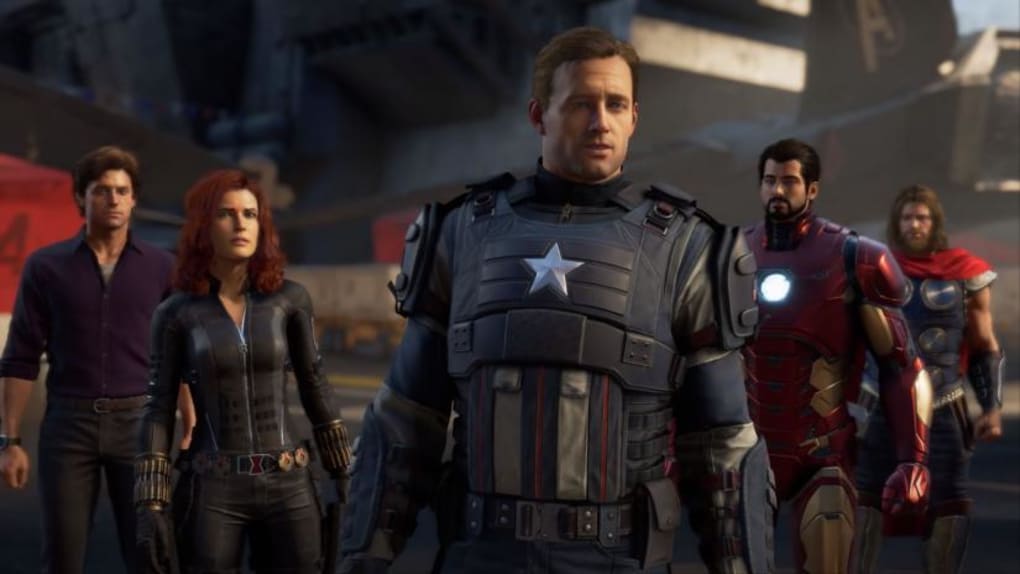
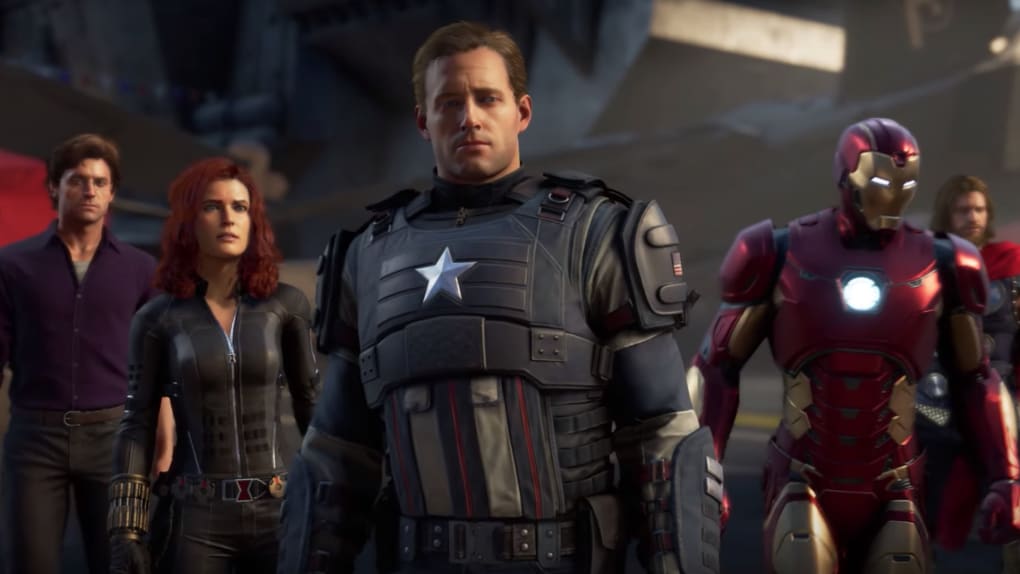
While the game successfully captures the energy and excitement of Avengers battles, its approach to character design sparked considerable debate among fans. The character models in Marvel’s Avengers deviate significantly from their cinematic counterparts. Instead of the familiar faces of Robert Downey Jr. as Iron Man or Chris Evans as Captain America, the game features original character designs, a choice that did not resonate with many players. This departure, while intended to add originality and avoid direct imitation, proved to be a point of contention for fans deeply invested in the Marvel Cinematic Universe (MCU). Many felt that the familiar visual representations of these iconic characters were crucial to the overall experience, and the change felt like a missed opportunity to capture the essence of the MCU aesthetic. While the intent was to create a distinct identity for the game, this design choice ultimately alienated a portion of the target audience.
The Final Chapter: A Bittersweet Farewell
Marvel’s Avengers’ journey concluded in March 2023 with the release of version 2.8, the game’s final update. This marked the end of support for the game, signifying no new content, heroes, or significant updates would be released after that date. While players could still enjoy existing single-player and multiplayer content, the absence of future updates left a palpable void. The absence of new heroes, Omega-Level raids, and other planned features added to the disappointment of the player base. The final update, while potentially offering some balance adjustments and bug fixes, couldn’t fully remedy the underlying issues that plagued the game throughout its lifespan.
Failed Potential: A Rocky Road to Redemption
From its launch in 2020, Marvel’s Avengers struggled to overcome several hurdles. Criticisms centered around a perceived lack of engaging content, uneven gameplay mechanics, and a focus on microtransactions that alienated many players. Although Crystal Dynamics consistently released updates and patches over the years, these efforts weren’t enough to overcome the core issues or to create a compelling and sustainable live-service experience. The game’s ambitious goals—to create a constantly evolving world with new content and heroes—were ultimately hampered by technical and design limitations. The failure to deliver on these promises effectively contributed to the game’s declining popularity and the eventual cessation of support. The initial high expectations surrounding the game contrasted sharply with its disappointing performance, contributing to a narrative of unrealized potential and missed opportunities.
The Final Update: Hopes and Reality
Leading up to the final update on March 31, 2023, fans expressed hopes for substantial changes, particularly improved traversal mechanics for characters like Iron Man and Thor, and increased movement speed for ground-based heroes. These enhancements were deemed essential for improving the overall fluidity and enjoyment of the gameplay. While speculation circulated regarding the contents of the update, the final patch ultimately remained unrevealing, possibly focusing on balance adjustments and bug fixes rather than major gameplay changes. This left a sense of unfulfilled anticipation amongst the player base.
A Farewell Gift: Free Cosmetics
In a final gesture of gratitude toward its loyal player base, Crystal Dynamics made all in-game cosmetics free for those who owned the game following the March 31st update. This act, though appreciated, couldn’t fully mask the disappointment surrounding the game’s closure. It served as a symbolic gesture acknowledging the dedication of the players despite the game’s shortcomings. However, the gesture did little to address the core issues that contributed to the game’s decline and ultimate failure.
Endgame: A Mixed Legacy
Marvel’s Avengers, despite its flaws, offered some positive aspects. The high-production values were evident throughout, and the story, while perhaps not groundbreaking, managed to capture the essence of the Avengers’ shared universe. The unique gameplay mechanic of switching between various heroes provided a degree of variety not often seen in other RPGs. However, the significant departure from the familiar MCU character designs and the overall unsatisfying progression of the live-service aspects overshadowed these positive elements. Ultimately, the game stands as a reminder that even titles with strong IP backing and ambitious concepts require flawless execution to achieve lasting success. Its legacy is a complex mix of initial excitement, unmet expectations, and a final, albeit generous, farewell. The game’s shortcomings serve as a valuable lesson in the challenges of developing and maintaining a successful live-service game, especially one based on a well-established and beloved franchise. For dedicated fans of the Avengers, the game provides a fleeting glimpse into the world of these iconic heroes, albeit a glimpse tinged with a sense of what could have been.
File Information
- License: “Full”
- Version: “2.8.2”
- Latest update: “April 30, 2025”
- Platform: “Windows”
- OS: “Windows 10”
- Language: “English”
- Downloads: “56.7K”


