
Medal of Honor: Allied Assault, released in 2002, stands as a landmark title in the first-person shooter (FPS) genre, setting a new standard for historical accuracy and immersive gameplay within the context of World War II. This game, developed by 2015, Inc. and published by Electronic Arts, transported players to the heart of some of the war’s most pivotal battles, offering a visceral and often brutal depiction of combat that resonated deeply with players. Its impact on the gaming landscape is undeniable, influencing numerous subsequent titles and solidifying its place as a classic within the FPS genre.
A Gripping Narrative: Following Lieutenant Mike Powell
The game’s single-player campaign casts the player as Lieutenant Mike Powell, a member of the elite US Army Rangers. Powell’s journey unfolds across a series of intense missions, each meticulously designed to recreate iconic battles and strategic operations of WWII. The narrative isn’t just a string of firefights; it’s a carefully crafted story that blends historical events with fictional elements to create a compelling and engaging experience.
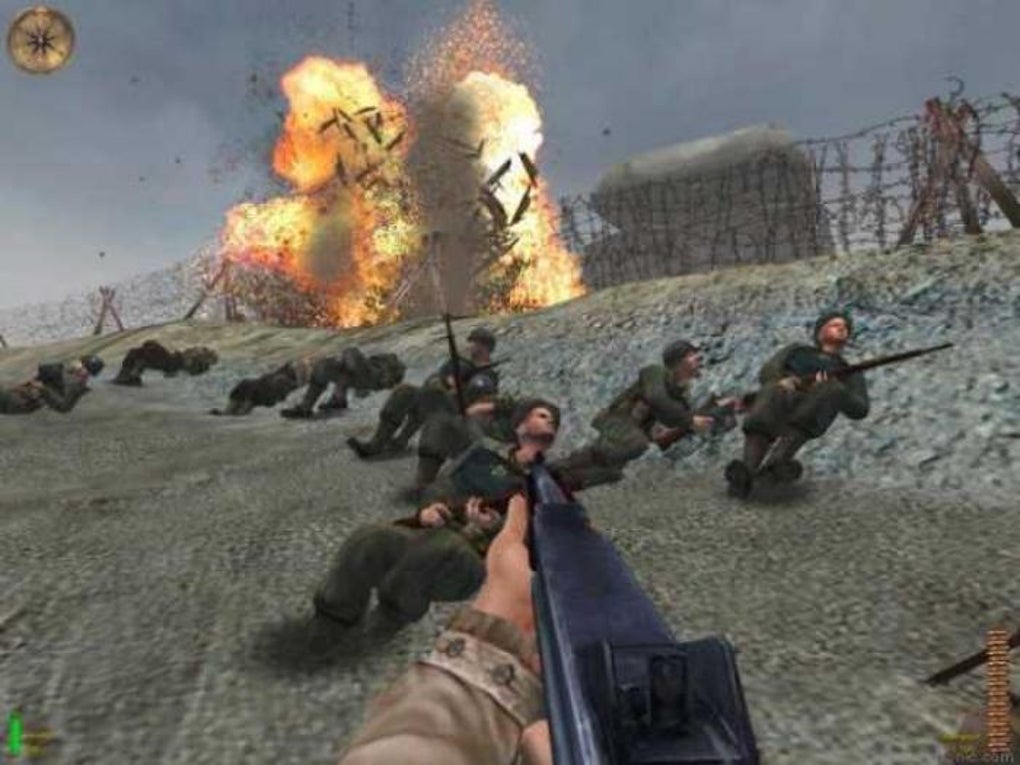
The player’s path takes them through diverse and historically significant locations, from the rugged terrain of Norway to the bustling streets of Algiers. These varied settings showcase the global scale of the conflict and the challenges faced by Allied forces on multiple fronts. The culminating event, the D-Day landings on the beaches of Normandy, represents a dramatic and unforgettable climax to Powell’s storyline, mirroring the historical significance of this crucial turning point in the war.
Many sequences within the game draw direct inspiration from classic World War II films, subtly enhancing the sense of realism and authenticity. The developers paid meticulous attention to detail in recreating the weaponry, uniforms, aircraft, and equipment used during the war, fostering a strong sense of immersion and historical accuracy that sets this game apart. This commitment to historical fidelity contributed greatly to the game’s overall impact and critical acclaim. The game didn’t shy away from depicting the brutality and chaos of war, making the player feel deeply embedded in the conflict.

Gameplay: Intense Action and Strategic Choices
Medal of Honor: Allied Assault’s gameplay is characterized by its fast-paced action and intense firefights. The game demands quick reflexes and tactical thinking, forcing players to adapt to dynamic combat situations and utilize their arsenal strategically. The arsenal itself is diverse and historically accurate, allowing the player to experiment with different weapons and tactics, adding a layer of strategic depth to the otherwise action-focused gameplay.
The game’s level design is equally noteworthy. Maps are not simply arenas for combat; they are intricately designed environments that reflect the specific geographical locations and strategic importance of the battles depicted. The design encourages exploration and often presents the player with multiple paths to achieving objectives, rewarding players who experiment with different approaches. This nuanced approach to level design goes beyond simple linear progression, allowing for replayability and a greater sense of immersion within the game world.
The difficulty level of Medal of Honor: Allied Assault is frequently cited as a significant aspect of the experience. The game is notoriously challenging, particularly on higher difficulty settings, demanding precision and strategic thinking from players. This high difficulty, while potentially frustrating for some players, contributes to the sense of realism and the gravity of the war setting. The challenges encountered in the game truly reinforce the precariousness and high-stakes nature of the battles depicted.
Multiplayer: A Thriving Battlefield
Beyond the immersive single-player campaign, Medal of Honor: Allied Assault offered a robust multiplayer component that quickly gained popularity among players. Classic multiplayer modes, such as capture the flag and free-for-all, provided engaging competitive experiences. The historically accurate weaponry and maps added a unique and compelling twist to these traditional modes, setting it apart from contemporary multiplayer shooters.
The multiplayer component allowed players to step into the shoes of different Allied soldiers, battling alongside or against other players from around the world. This fostered a sense of community and shared experience, strengthening the game’s overall appeal and longevity. The online battles provided a dynamic and ever-changing experience, with the unpredictable nature of human interaction adding an extra layer of excitement and challenge.
The popularity of the multiplayer mode is a testament to the overall success of the game’s design. It successfully translated the immersive and intense single-player experience into a competitive, collaborative, and equally enjoyable multiplayer environment. The competitive aspect, coupled with the accurate historical context, contributed significantly to the lasting appeal of Medal of Honor: Allied Assault.
Technical Aspects: A Balance of Realism and Limitations
While Medal of Honor: Allied Assault set a new standard for historical accuracy in its genre, its graphical capabilities were constrained by the technology available at the time. Compared to modern games, the graphics may appear somewhat dated, yet the overall aesthetic effectively captured the atmosphere of wartime. The somewhat limited graphics were easily overcome by the strong gameplay and immersive narrative. The sound design, on the other hand, deserves special praise. The immersive soundscape truly added to the overall realism and intensified the war-torn atmosphere. The game’s soundtrack, though not the central focus, effectively contributed to the overall mood and emotional impact.
The game’s technical limitations, while noticeable by today’s standards, are largely insignificant when considering the overall quality and impact of the game. The technical aspects of the game were easily surpassed by the intense gameplay, strong narrative, and unique historical perspective, ensuring the game remains enjoyable even by contemporary standards.
Lasting Legacy: A Defining Moment in FPS History
Medal of Honor: Allied Assault’s influence on the FPS genre is significant and enduring. Its blend of historical accuracy, immersive gameplay, and a compelling narrative established a new benchmark for games set within the backdrop of World War II. The game demonstrated that a historically grounded FPS could be both commercially successful and critically acclaimed, influencing countless subsequent titles. The game’s strong emphasis on historical accuracy helped to push the boundaries of what FPS games could achieve, paving the way for future games that sought to deliver a similarly authentic and engaging historical experience.
The game’s lasting legacy extends beyond its direct influence on the FPS genre. It successfully captured the attention of gamers who might not typically be interested in military-themed games. The game’s compelling storyline and intense gameplay made it universally appealing, surpassing the typical niche audience for this type of game. The popularity and lasting legacy of Medal of Honor: Allied Assault is a testament to its quality and innovative game design.
In conclusion, Medal of Honor: Allied Assault remains a landmark title, a compelling and influential game that redefined the potential of historically-themed first-person shooters. Its enduring appeal speaks volumes about its captivating narrative, immersive gameplay, and commitment to historical accuracy, cementing its place as a true classic of the genre.
File Information
- License: “Trial version”
- Latest update: “September 23, 2022”
- Platform: “Windows”
- OS: “Windows 2000”
- Language: “English”
- Downloads: “549.7K”


