
Mendeley is a widely-used academic reference manager and social networking platform designed to streamline the research process for students, researchers, and academics. Developed by Mendeley Ltd., it provides a robust suite of features for organizing, collaborating on, and citing research materials. This comprehensive guide explores Mendeley’s capabilities, functionality, and benefits, examining its strengths and limitations to offer a thorough understanding of this essential research tool.
Mendeley’s Core Functionality: Organizing and Managing Research
At its heart, Mendeley functions as a digital library for research papers, articles, and other scholarly materials. Users can import documents in various formats, including PDFs, directly into their personal Mendeley library. This library serves as a centralized repository, eliminating the need to search across multiple folders or devices for specific research materials. The software facilitates efficient organization through customizable folders and tags, enabling users to categorize documents based on project, topic, or any other relevant criteria. This streamlined organization greatly enhances the research workflow, making it easier to locate specific papers and efficiently manage large collections of materials.
Beyond simple storage, Mendeley captures crucial metadata associated with each imported document. This automated metadata extraction includes details such as author names, publication titles, journal names, publication dates, and other essential bibliographic information. This automatic metadata extraction significantly reduces manual data entry, saving researchers considerable time and effort in managing their research materials. The accuracy of this metadata extraction is generally quite high, although manual correction might occasionally be necessary to ensure data consistency and accuracy.
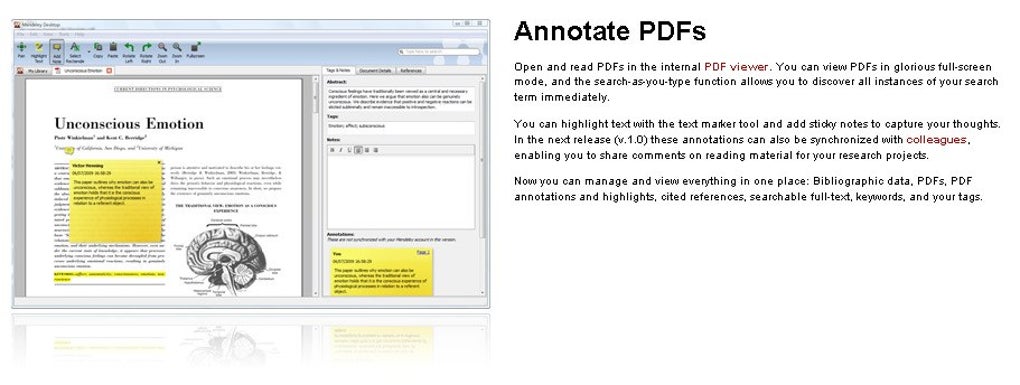
A key advantage of Mendeley is its annotation features. Users can annotate PDFs directly within the Mendeley interface, highlighting key passages, adding notes, and creating personalized summaries of their readings. These annotations are saved with the document, providing a valuable record of the user’s critical engagement with the material. This functionality is particularly useful for reviewing large amounts of material efficiently and preserving valuable insights gained from the reading process. The ability to synchronize these annotations across multiple devices further enhances the convenience and accessibility of the research process.
Collaboration and Communication Features in Mendeley
Mendeley extends beyond individual use by offering robust collaboration features. Users can share their libraries or specific folders with colleagues, fostering teamwork and collaborative research. This collaborative aspect is a significant advantage, particularly for research groups or collaborative projects. The shared library allows for simultaneous access to materials, facilitating discussions, sharing notes, and efficient information exchange among collaborators.
Furthermore, Mendeley incorporates a social networking component. Users can connect with other researchers, creating professional networks within specific fields of study. This aspect helps to expand researchers’ professional reach, and can foster opportunities for collaboration, information sharing, and intellectual exchange within the academic community. The social networking aspect promotes a sense of community among researchers and provides valuable access to the latest research trends in a user’s field.
Citation Management and Integration with Word Processors
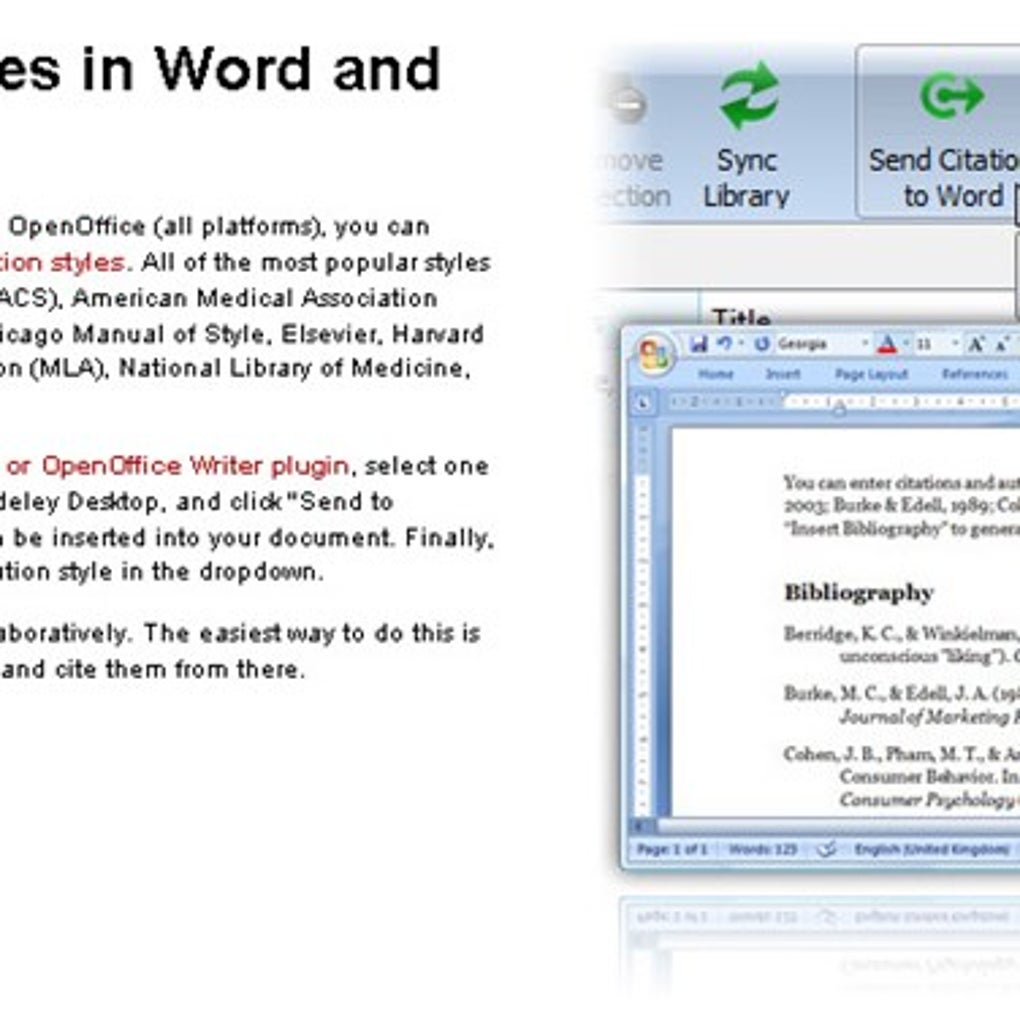
One of Mendeley’s most valuable features is its integrated citation management system. The software seamlessly integrates with major word-processing applications, including Microsoft Word and LibreOffice. Users can directly cite sources from their Mendeley library within their documents, automatically generating accurate citations and bibliographies in a multitude of citation styles. This automation significantly simplifies the often tedious process of formatting citations and bibliographies, ensuring consistency and compliance with publishing guidelines. The range of supported citation styles is substantial, covering virtually all major academic styles, while also offering the flexibility to create custom styles for specific journal or publication requirements.
The citation management feature is highly efficient and user-friendly. The plugin for word processors allows users to easily insert citations by searching their library directly within the word-processing environment. The insertion process is remarkably intuitive, significantly streamlining the writing and research process. The ability to quickly switch between different citation styles is also a valuable time-saving feature, adapting easily to different publishing needs.
Mendeley’s Strengths and Weaknesses
Mendeley offers numerous advantages as a research management tool. Its intuitive interface, robust organization features, and powerful citation management system are significant strengths. The ability to collaborate on research projects and engage with a wider academic community adds further value. The free cloud storage option, though limited, offers accessibility to research materials across multiple devices. The platform’s integration with various word processors enhances user experience and workflow, making it a truly indispensable tool for many academics and researchers.
However, Mendeley also has certain limitations. The free cloud storage is limited, requiring users to upgrade to a paid subscription for larger storage needs. While the citation management system is generally excellent, minor glitches or incompatibilities with certain word processors or citation styles have occasionally been reported. Some users have reported occasional syncing issues, particularly with large libraries. The syncing speed can sometimes be slow, impacting the real-time collaborative capabilities. Finally, the platform’s primary focus on scientific literature might make it less suitable for researchers in the humanities or other disciplines with unique citation requirements.
Despite these limitations, Mendeley remains a highly valuable tool for managing and organizing research. Its strengths clearly outweigh its weaknesses, and it continues to be a popular choice amongst researchers and students alike. The active development and continuous updates suggest a commitment to enhancing and expanding its capabilities, addressing some of the existing limitations and ensuring its continued relevance in the ever-evolving research landscape. Ultimately, the best way to determine if Mendeley is the right tool for an individual’s needs is to explore its functionality firsthand and assess its fit within their own unique research workflow.
File Information
- License: “Free”
- Latest update: “April 8, 2025”
- Platform: “Windows”
- OS: “Windows 7”
- Language: “English”
- Downloads: “342.5K”
- Size: “416.46 MB”


