
The Microsoft Visual C++ 2015 Redistributable package is a crucial component for running numerous applications developed using Microsoft Visual Studio 2015. This guide delves into its functionalities, features, system requirements, and its place within the broader Microsoft ecosystem. Understanding this package is essential for both developers distributing software and users ensuring their applications run smoothly.
Understanding the Role of the Redistributable Package
At its core, the Microsoft Visual C++ 2015 Redistributable provides the necessary runtime libraries for applications built with Visual Studio 2015. These libraries are not inherently part of the Windows operating system; they are separate components required by programs compiled using the Visual C++ compiler and its associated libraries. Without these libraries, many applications built with Visual Studio 2015 will fail to launch or function correctly. Think of it as providing the essential tools and building blocks that applications need to execute their code.
The package’s significance lies in its ability to simplify software distribution. Instead of requiring end-users to have the full Visual Studio 2015 installation (a large and complex suite primarily intended for developers), the redistributable provides only the necessary runtime components. This drastically reduces the size of the software installer and simplifies the installation process for the end-user. Developers can include instructions to install the redistributable along with their application, ensuring compatibility across a wide range of user systems. This approach is a standard practice in software development to efficiently manage dependencies and ensure wider application reach.
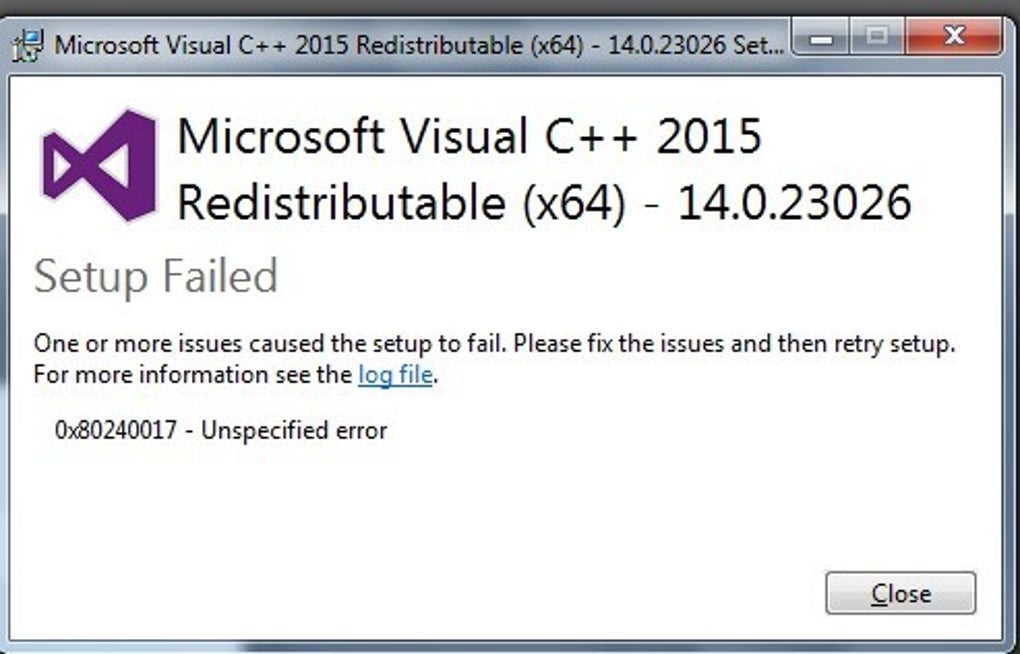
The Microsoft Visual C++ 2015 Redistributable is available in both 32-bit (x86) and 64-bit (x64) versions, catering to different system architectures. Choosing the correct version is vital for ensuring compatibility; installing the wrong version can lead to application errors or failures.
Key Features and Functionalities
The Microsoft Visual C++ 2015 Redistributable package boasts several key features that contribute to its efficiency and wide applicability:
-
Runtime Libraries: This is the core functionality. The package includes pre-compiled versions of essential runtime libraries, including the C Runtime Library (CRT), Standard C++ Library, and other crucial components. These libraries handle tasks like memory management, input/output operations, and string manipulation, which are fundamental to most applications. Providing these pre-compiled libraries eliminates the need for the application to include its own copies, saving space and improving performance.
-
Backward Compatibility (to a degree): While designed for applications compiled with Visual Studio 2015, the redistributable might offer some level of compatibility with applications built using earlier versions of Visual C++. However, this is not guaranteed, and developers should always aim for consistency by using the appropriate redistributable version corresponding to their chosen Visual Studio compiler. Later versions of the redistributable might sometimes work with older applications, but this is not always a reliable solution, and backward compatibility isn’t a core design principle of these packages.
-
Dynamic Link Libraries (DLLs): The redistributable utilizes DLLs to share common runtime functions between multiple applications. This is a memory-efficient approach; instead of each application having its own copy of these functions, they all share the same DLLs, reducing the overall memory footprint on the system. This shared approach also ensures consistency; all applications using the same DLL will use the same version of the functions, avoiding potential compatibility issues.
-
Optimized for Performance: The pre-compiled nature of the libraries, along with the efficient use of DLLs, leads to enhanced application performance. The application doesn’t need to spend time compiling or loading these essential components, resulting in faster startup times and improved overall responsiveness.
System Requirements and Compatibility
The Microsoft Visual C++ 2015 Redistributable boasts broad compatibility across various Windows operating systems and requires minimal system resources. Generally, it supports Windows versions from Windows Vista SP2 onward, including all subsequent versions up to the latest Windows releases. The specific support might vary slightly depending on the sub-version of the redistributable, and it is important to check the Microsoft documentation for the precise compatibility information of the version being installed.
Minimum hardware requirements are typically modest:
- Processor: A relatively modern processor (e.g., a 1 GHz processor or faster) is usually sufficient.
- RAM: 512 MB of RAM is usually the minimum, although more RAM is always beneficial for overall system performance.
- Disk Space: The installation requires a small amount of free disk space (generally under 100MB).
While the package is designed for 32-bit (x86) and 64-bit (x64) systems, it’s crucial to install the correct architecture version of the package that matches the architecture of the application and the operating system. Installing the wrong version could lead to application crashes or unexpected behavior.
The Redistributable and the Broader Microsoft Ecosystem
The Microsoft Visual C++ 2015 Redistributable, although not directly part of Microsoft 365 or other major Microsoft suites, plays a critical role within the broader Microsoft ecosystem. It is the unsung hero enabling compatibility for a vast number of applications. It supports applications that interact with various Microsoft technologies, such as Windows APIs, the .NET Framework (though indirectly), and other libraries, creating a harmonious working environment across numerous applications. Its importance lies in its role as a bridge between the application and the underlying system components.
While it’s not a directly billed or subscription-based component, the redistributable package significantly benefits developers and users alike. Its accessibility, in the form of a free download from official Microsoft sources, allows for easy integration into application distribution. This contributes to a seamless user experience, reducing the technical hurdles for users running applications relying on Visual C++ libraries.
In enterprise settings, the Microsoft Visual C++ 2015 Redistributable becomes even more crucial. Organizations often rely on custom-built applications or legacy systems that leverage Visual C++ libraries. IT administrators need to ensure these necessary components are correctly deployed and managed, guaranteeing smooth operation of critical business applications. Therefore, even within the sophisticated world of Microsoft 365 and other enterprise tools, the humble redistributable plays a crucial behind-the-scenes role in maintaining overall system stability and application functionality.
Conclusion
The Microsoft Visual C++ 2015 Redistributable package is a vital, albeit often overlooked, element of the Windows ecosystem. Its role in ensuring the seamless execution of applications built using Visual Studio 2015 makes it essential for both developers and end-users. Understanding its functionality, compatibility, and place within the broader Microsoft landscape is critical for anyone working with or deploying software on Windows systems. The free availability and straightforward installation process contribute to its broad appeal and continued relevance in the world of software development and deployment.
File Information
- License: “Free”
- Version: “14.26.28720.3”
- Latest update: “December 13, 2024”
- Platform: “Windows”
- OS: “Windows 8”
- Language: “English”
- Downloads: “17K”
- Size: “15.00 MB”


