
The Microsoft XNA Framework held a significant place in the history of game development, particularly for independent developers and those targeting Windows and Xbox platforms. While officially discontinued, its impact remains notable, shaping the careers of numerous game developers and leaving behind a legacy of innovative titles. This article explores the XNA Framework, its features, its strengths and weaknesses, and its ultimate demise.
XNA Framework: Empowering Independent Game Development
Released in 2006, the XNA Framework was a game-changing technology for aspiring game developers. It provided a streamlined and relatively accessible pathway to game creation, leveraging the power of Microsoft’s .NET framework. Unlike previous game development environments that often demanded extensive programming knowledge and specialized tools, XNA offered a more approachable entry point. Its utilization of C# as its primary programming language, a language known for its readability and ease of use, further reduced the barrier to entry. This accessibility democratized game development, enabling a wider range of individuals to pursue their passions and contribute to the gaming landscape.
The framework’s core strength lay in its ease of use and cross-platform compatibility (at least initially). Developers could build games for Windows, and later, the Xbox 360. This allowed for a degree of code reusability and facilitated the porting of titles between these platforms, saving developers significant time and resources. The provided tools and libraries simplified common game development tasks, such as graphics rendering, sound management, and input handling, allowing developers to concentrate on the core game design and mechanics rather than getting bogged down in intricate low-level programming.
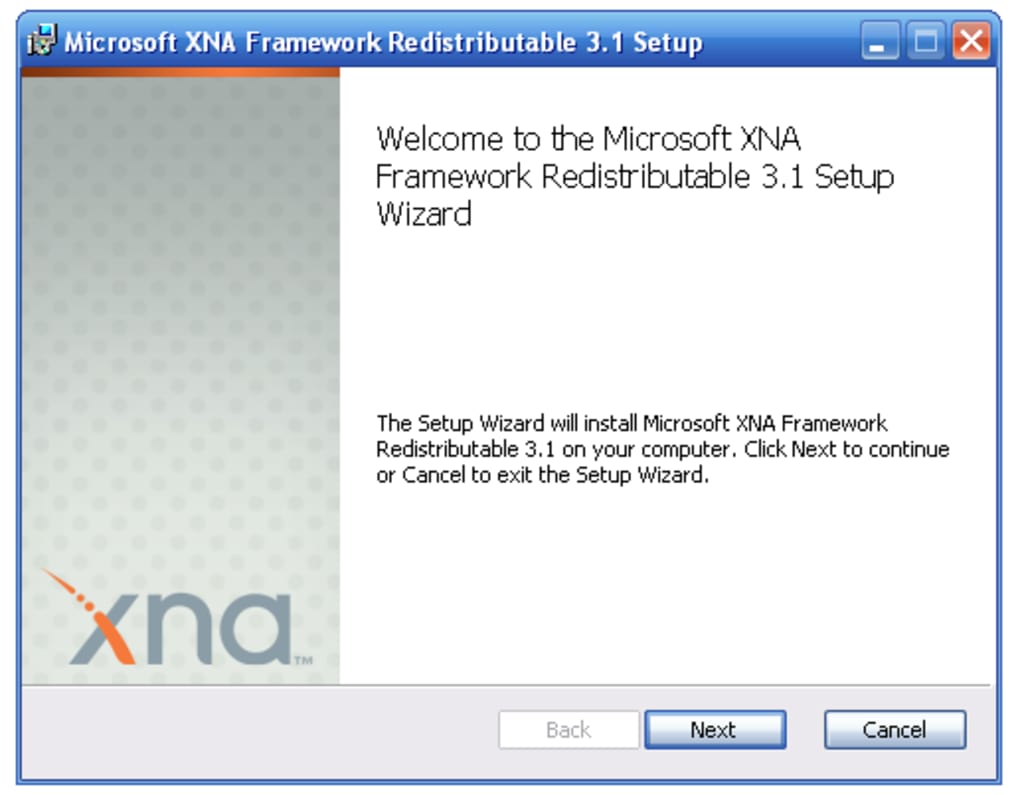
The integrated development environment (IDE), typically Visual Studio, further enhanced the developer experience. Visual Studio offered advanced debugging capabilities, code completion suggestions, and other features that expedited the development process and reduced the likelihood of errors. This efficient workflow allowed developers to iterate quickly, experimenting with different designs and mechanics with relative ease.
XNA’s Game Studio Express: A Simplified Development Environment
While developers could utilize the XNA Framework within the full-fledged Visual Studio IDE, Microsoft also provided XNA Game Studio Express, a free and simplified version of the development environment. This offering further lowered the barrier to entry for beginners and hobbyists. XNA Game Studio Express, while less feature-rich than Visual Studio, still provided all the essential tools for creating and deploying games. Its simplified interface made it easier for novices to navigate and understand the development process. This accessibility was critical in fostering a community of independent game developers who would otherwise have been excluded due to the cost or complexity of more professional tools.
Content Pipeline and Game Development Workflow
A key aspect of the XNA Framework was its robust content pipeline. This pipeline simplified the process of importing and managing assets such as images, sounds, and 3D models. It allowed developers to easily work with various file formats, converting them into an optimized format suitable for the target platform. The process minimized the technical complexities of asset management, allowing developers to focus on their creative tasks. This streamlining of the asset management process was crucial for independent developers who may not have had access to dedicated artists or technical personnel.
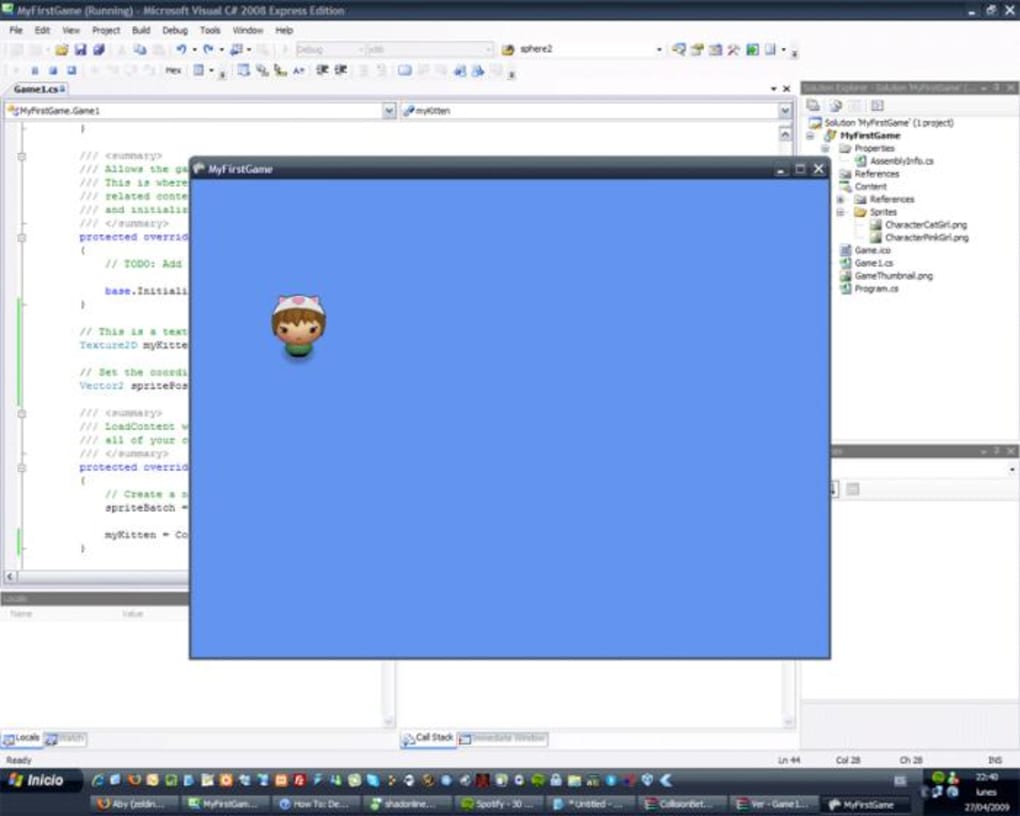
The overall workflow within XNA was remarkably streamlined. The combination of C#, the XNA libraries, and the content pipeline created a cohesive and efficient game development process. Developers could concentrate on game logic, design, and art creation without being burdened by low-level programming or complex asset management. This made XNA an ideal environment for prototyping and experimenting with new game ideas. The rapid iteration cycle, combined with the accessibility of the tools, allowed for quick experimentation and the relatively easy implementation of design changes and new features.
XNA’s Limitations and Eventual Decline
Despite its strengths, XNA did have its limitations. Its initial cross-platform support was ultimately limited to Windows and Xbox 360. This restricted the potential reach of games developed using the framework, especially as mobile gaming began to surge in popularity. The framework’s relatively simple graphics capabilities and lack of advanced features also became a drawback as the gaming industry shifted towards more graphically demanding titles. While capable of producing visually appealing games, XNA didn’t provide the tools and flexibility for creating visually stunning games comparable to those made using more advanced engines like Unreal Engine or Unity.
Another significant limitation was the lack of robust networking capabilities. While the framework did offer rudimentary support for network functionality, it fell short of the sophisticated and comprehensive solutions available in other game development platforms. This made it difficult to create online multiplayer games that required robust server infrastructure and advanced networking features. The absence of these features limited XNA’s suitability for developing complex online games.
Microsoft’s decision to discontinue the XNA Framework in 2014 ultimately sealed its fate. The company shifted its focus towards other technologies and platforms, leaving the XNA community without ongoing support or future updates. This abrupt discontinuation left many developers in a difficult position, forcing them to transition to alternative game engines. While some community-driven efforts attempted to keep the framework alive, these were ultimately limited in scope and impact. The lack of official support effectively made XNA obsolete.
XNA’s Legacy and Impact
Despite its eventual demise, the Microsoft XNA Framework played a significant role in the history of game development. It fostered a community of independent game developers, providing them with the tools and resources to create and share their games. Many successful developers owe their early careers to the experiences gained working with XNA. The framework’s accessibility contributed to the diversification of the gaming industry, enabling individuals without extensive programming or financial resources to participate.

The relative simplicity of XNA also made it an excellent tool for educational purposes. Numerous universities and schools used the framework to teach game development principles and practices. Its approachable nature helped to attract new talent to the field and fostered the growth of the industry. This educational impact is a testament to the framework’s design and usability.
Although XNA is no longer actively supported, its legacy lives on through the games created with it and the developers it empowered. It served as a crucial stepping stone for many who later went on to develop games using more advanced engines and platforms. Its impact on the game development landscape, while indirect in the present day, is undeniable.
Conclusion: A Powerful Tool, Remembered and Revered
The Microsoft XNA Framework, though discontinued, holds a special place in the history of game development. It served as a valuable bridge, allowing aspiring developers to overcome the traditional barriers of entry and launch into the world of game creation. Its ease of use, combined with the accessibility of its development tools, fostered a thriving community and left a mark on the industry. While it may no longer be the leading platform, its impact on the lives and careers of many developers, and the games it helped to create, remain a lasting tribute to its innovation. The accessible and straightforward design of XNA allowed countless individuals to experience the joy of game creation, a legacy that continues to resonate within the game development community.
File Information
- License: “Free”
- Version: “4.0”
- Latest update: “August 4, 2021”
- Platform: “Windows”
- OS: “Windows Vista”
- Language: “English”
- Downloads: “47.1K”
- Size: “7.05 MB”


