
The Microsoft Zune, a once-popular digital media player, may be a relic of the past, but its aesthetic influence lingers on. This article delves into the Microsoft Zune Theme for Windows XP, exploring its features, reception, and its place in the history of digital media player aesthetics.
A Nostalgic Trip Down Memory Lane: The Zune’s Visual Identity
The Microsoft Zune, launched in 2006, aimed to compete with Apple’s iPod. While its hardware struggled to match the iPod’s market dominance, the Zune’s design aesthetic, particularly its distinctive color scheme—a blend of black and vibrant orange—carved a unique niche. This visual identity was meticulously translated into the Microsoft Zune Theme for Windows XP, offering users a chance to bring a piece of the Zune experience to their desktops.
The theme wasn’t just a simple reskin; it incorporated the Zune’s core visual elements, subtly altering the Windows XP interface to reflect the player’s sleek and modern design. The dark backgrounds, accented with the signature orange highlights, provided a visually distinct alternative to the default Windows XP aesthetic. This wasn’t just about changing colors; it was about transforming the entire user experience, albeit subtly, into a cohesive and stylish package.
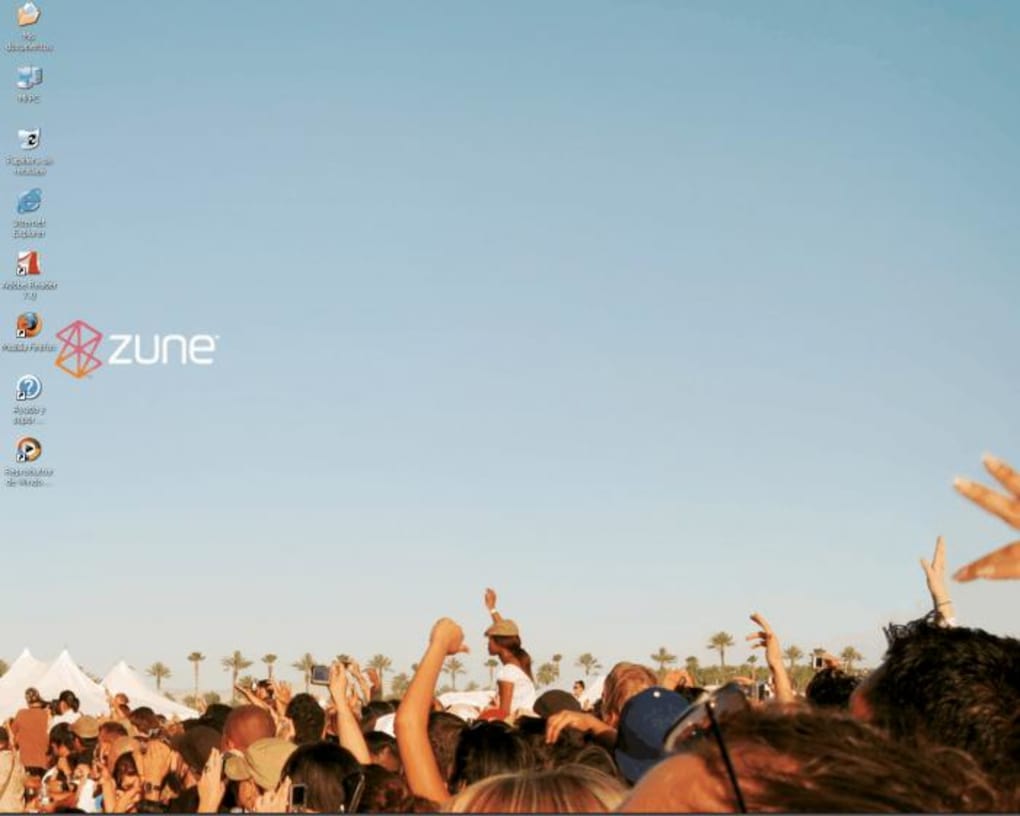
The theme’s creators clearly prioritized maintaining a balance between visual appeal and functionality. The modifications weren’t overwhelming, avoiding the pitfalls of overly aggressive theming that could hinder usability. This measured approach ensured the theme remained visually appealing while retaining the familiarity and functionality of the Windows XP operating system.
User Reception and Critical Analysis: A Mixed Bag
The Microsoft Zune Theme received a mixed reception from users. While many praised its sleek design and ease of use, some criticized its limited color palette and its potential incompatibility with other customizations. This divided opinion reveals the inherent complexities of subjective aesthetics and the challenges of creating a theme that appeals to a diverse user base.
Positive reviews often highlighted the theme’s clean and modern look. Users lauded its speed of installation and its minimal impact on system performance. The dark color scheme, especially appreciated by users who preferred a less visually fatiguing interface, also garnered significant praise. The subtle, yet effective, application of the Zune’s orange accents added a touch of visual flair without overwhelming the overall aesthetic.
However, negative feedback predominantly centered around color scheme limitations and compatibility issues. Some users found the orange accents clashing with existing desktop customizations or sidebar applications. Others wished for a greater variety of color options or the ability to customize the orange highlights. The lack of widespread customization was a significant limitation, restricting the theme’s adaptability to individual preferences.
These criticisms, while valid, should be considered within the context of the era. Windows XP’s customization options were limited compared to modern operating systems, and creating extensive customization options for a theme was a considerably more demanding task. The Microsoft Zune Theme, despite its limitations, represented a relatively sophisticated approach to theme design for its time.
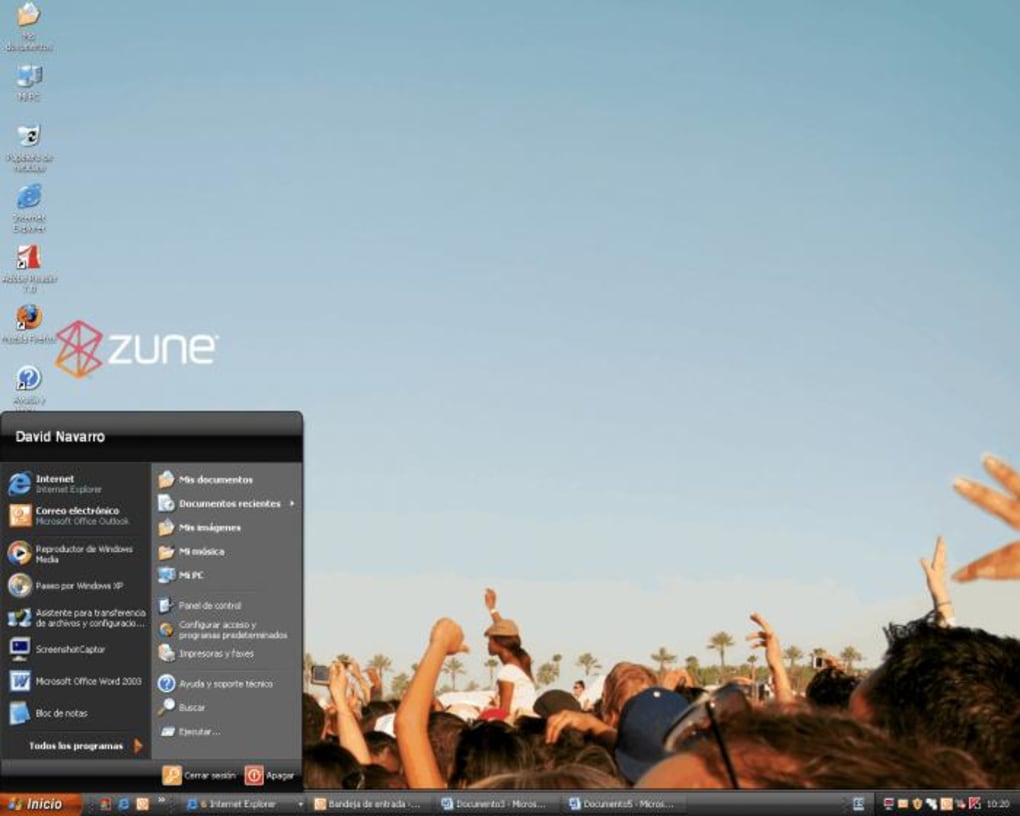
The limited color palette, though a point of contention for some, also contributed to the theme’s overall consistency. The coherent use of black and orange prevented a visually chaotic user experience, reflecting a deliberate design philosophy prioritizing a unified aesthetic.
Technical Specifications and Download Information
The Microsoft Zune Theme was a free download, readily available for Windows XP and earlier versions. Its small file size ensured a quick and efficient download and installation process, minimizing disruption to the user’s workflow. This accessibility likely contributed to its widespread popularity, making it readily available to a larger user base.
The theme’s relatively small size was a significant advantage, especially given the limited hard drive space common in computers of the time. Its lightweight nature ensured that it did not consume excessive system resources, maintaining a smooth and responsive user experience.
The English language version was the primary release, though translations or adaptations may have existed in other languages via fan-made modifications or unofficial distributions. This focus on English reflects the global reach of Microsoft at the time, aligning with their primary market focus.
The lack of frequent updates highlights that the theme was intended as a standalone, single-release product, not designed for long-term maintenance or iterative improvements. This was typical of software releases in its era.
A Comparative Look: The Zune Theme in the Broader Context of Windows XP Theming
The Microsoft Zune Theme stands out within the landscape of Windows XP themes for its specific connection to a particular brand and product – the Zune media player. While countless other themes offered variations in color schemes and visual styles, the Zune theme held a unique position, directly reflecting the visual language of a prominent Microsoft product.
This brand-specific approach provided a distinct identity within the broader market of Windows XP theming. It appealed to those who admired the Zune’s aesthetic, offering an extended brand experience beyond the media player itself.
Many Windows XP themes focused on broader aesthetic styles—such as minimalist designs, visually complex themes, or themes mimicking the aesthetics of other operating systems. The Zune theme, in contrast, provided a focused and cohesive aesthetic, tied directly to a particular product. This narrow focus, while potentially limiting its appeal to a broader audience, enhanced its strength as a brand-aligned theme.
Conclusion: Legacy and Lasting Impact
While the Microsoft Zune itself is largely a footnote in the history of digital media players, its associated theme for Windows XP serves as a minor, yet interesting, artifact of the era. It demonstrates Microsoft’s attempt to extend brand identity beyond its products, leveraging the visual appeal of a product to engage a wider user base at the operating system level.
The theme’s legacy isn’t defined by groundbreaking innovation but by its representation of a specific moment in both the history of Microsoft and the evolution of digital media player aesthetics. It offers a nostalgic glimpse into a time when desktop customization was still a significant aspect of personal computing, and the subtle visual touches of a brand could resonate deeply with users.
Even though the Zune theme may not function on modern operating systems, its design principles—clean aesthetics, measured application of color, and a focus on user experience—continue to be relevant in contemporary interface design. It serves as a reminder of the enduring power of cohesive visual branding and its ability to translate across platforms and product categories. Its simplicity and elegant design highlight that sometimes, less is more. The Microsoft Zune Theme, a small piece of digital history, remains a testament to the lasting impact of consistent and well-executed branding.
File Information
- License: “Free”
- Version: “1.0”
- Latest update: “November 6, 2006”
- Platform: “Windows”
- OS: “Windows XP”
- Language: “English”
- Downloads: “278.5K”
- Size: “1.72 MB”


