
Midtown Madness II, a classic free-roam racing game released by Microsoft, offers a nostalgic trip down memory lane for many PC gamers. While its graphics might not hold up to modern standards, its engaging gameplay, diverse vehicle selection, and faithful recreations of iconic cityscapes continue to charm players years after its release. This exploration delves into the game’s features, strengths, and weaknesses, offering a comprehensive look at what makes Midtown Madness II a timeless title, even in the era of high-fidelity racing simulators.
Exploring the Cities: London and San Francisco
One of Midtown Madness II’s greatest strengths lies in its detailed and vibrant representations of London and San Francisco. These weren’t simply rudimentary renderings of city blocks; the developers painstakingly recreated iconic landmarks and captured the unique atmosphere of each location. Driving through London, you’ll encounter the majestic Big Ben, the Houses of Parliament, and the bustling streets of the city center. Similarly, San Francisco offers breathtaking views of the Golden Gate Bridge, the rolling hills of the city, and its distinctive architecture. The level of detail, for its time, was impressive, immersing players in a virtual world that felt authentic and engaging. The ability to freely explore these sprawling city environments without the constraints of a structured race track contributed significantly to the game’s enduring appeal. This freedom allowed players to discover hidden alleys, shortcuts, and unexpected routes, adding a layer of exploration and discovery to the core racing mechanic.
A Garage Full of Options: Vehicle Variety
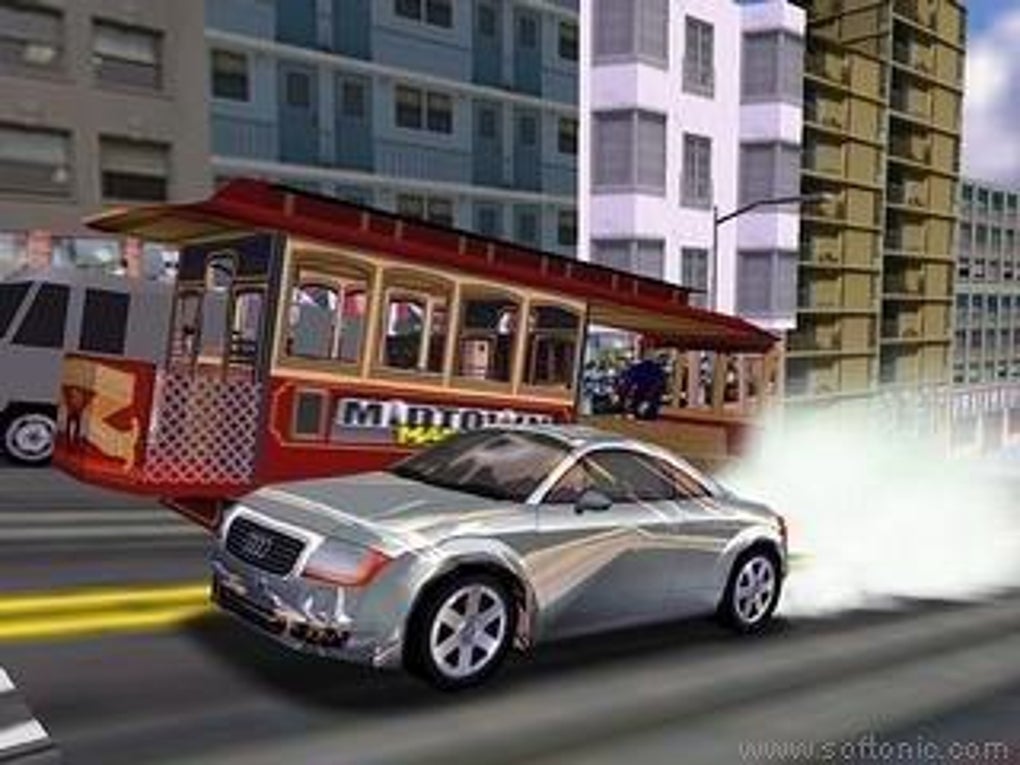
Midtown Madness II didn’t just offer a selection of generic cars; it provided a diverse range of vehicles that catered to different play styles and preferences. Beyond the usual selection of sports cars and sedans – including popular choices like the VW Beetle, Audi TT, and Mini Cooper – the game allowed players to take the wheel of some truly unique vehicles. Imagine navigating the streets of London in a classic double-decker bus, skillfully maneuvering its considerable size through tight corners and busy intersections. Or perhaps you prefer the thrill of speeding through San Francisco in a powerful American fire truck, its siren wailing as you race against time. This unexpected variety added a significant layer of fun and originality to the gameplay, setting Midtown Madness II apart from its contemporaries. The sheer range of handling characteristics, from the nimble sports cars to the cumbersome but entertaining buses and trucks, ensured that players always had a fresh and engaging driving experience.
Gameplay Modes: Single-Player and Multiplayer Adventures
Midtown Madness II offered a compelling blend of single-player and multiplayer modes, catering to both solitary driving enthusiasts and those who enjoyed the competitive thrill of online racing. The single-player mode allowed for unrestricted exploration of the game’s two city environments. Players could simply cruise the streets, admire the scenery, or engage in various challenges, including timed runs and stunt courses. These challenges added a layer of objective-based gameplay to the open-world exploration, preventing the experience from becoming monotonous. The multiplayer mode, on the other hand, injected a significant dose of competition into the mix. Players could compete against others online in various race formats, testing their driving skills and strategic thinking. The ability to choose different vehicles and race across the detailed city environments provided a dynamic and replayable multiplayer experience that kept players coming back for more.
Graphics and Sound: A Product of Its Time
It’s crucial to acknowledge that Midtown Madness II’s graphics, while impressive for its release year, haven’t aged flawlessly. The polygon count is noticeably lower than modern racing games, and textures show their age. However, the game’s artistic style compensates for these technical limitations. The city environments remain surprisingly atmospheric, capturing the essence of London and San Francisco with a commendable level of detail. The color palette is vibrant and pleasing to the eye, creating a visually engaging experience that transcends the limitations of its era. The game’s sound design is similarly effective, with realistic engine sounds and ambient city noises contributing to the immersive atmosphere. While not as sophisticated as modern audio design, the sound effects effectively complement the visuals, creating a cohesive and engaging sensory experience.
Shortcomings and Limitations: Areas for Improvement
Despite its many strengths, Midtown Madness II wasn’t without its shortcomings. The most frequently cited criticism is the limited number of locations. Having only two cities to explore, while meticulously rendered, eventually felt restrictive. Many players yearned for more diverse environments and a broader range of geographical settings. This limited scope inevitably contributed to a feeling that the game lacked long-term replayability, particularly after having fully explored both London and San Francisco and mastered the various challenges and races. Furthermore, the lack of a robust career mode or a more structured progression system meant that gameplay could sometimes feel aimless, lacking the clear sense of progression found in many modern racing games. The absence of significant track variety further amplified this feeling of repetitiveness after extended periods of play. The emphasis on free-roam exploration, while a key strength, also contributed to a lack of structured goals beyond the occasional challenge or multiplayer race.
A Lasting Legacy: Midtown Madness II’s Enduring Appeal
Despite its limitations, Midtown Madness II holds a special place in the hearts of many gamers. Its unique blend of open-world exploration, diverse vehicle selection, and detailed city environments created a captivating driving experience that few games could match at the time of its release. While its graphics might not be cutting-edge, its nostalgic charm and engaging gameplay loop remain highly appealing, especially to those who appreciate the simpler, less demanding games of a bygone era. The game’s enduring appeal showcases the enduring power of innovative gameplay mechanics and creative level design that can compensate for technical limitations. For players seeking a nostalgic escape or a casual racing experience without the high-pressure intensity of modern competitive racers, Midtown Madness II continues to offer a compelling and enjoyable gaming experience. It represents a significant milestone in the history of free-roam racing games, paving the way for many of the open-world driving titles we enjoy today. The game remains a testament to the enduring appeal of imaginative game design, even when it’s presented with relatively limited technical resources. Its lasting impact on the genre is undeniable, solidifying its place as a true classic among racing game enthusiasts.
File Information
- License: “Trial version”
- Version: “1.1”
- Latest update: “August 17, 2018”
- Platform: “Windows”
- OS: “Windows 2000”
- Language: “English”
- Downloads: “410.6K”
- Size: “32.32 MB”


