
Minecraft Earth, a mobile augmented reality (AR) game developed by Mojang Studios, offered a unique and immersive experience by blending the iconic block-building gameplay of Minecraft with the real world. Released in 2019, the game allowed players to build, explore, and interact with familiar Minecraft elements overlaid onto their actual surroundings using their mobile device’s camera. While the game is no longer available, its innovative approach to AR gaming left a lasting mark on the mobile gaming landscape. This article explores the features, gameplay, and legacy of Minecraft Earth.
A Blend of Reality and Pixels: Minecraft Earth’s Gameplay
Minecraft Earth leveraged augmented reality technology to seamlessly integrate the digital world of Minecraft into the player’s physical environment. The core mechanics remained true to the spirit of the original Minecraft game, focusing on resource gathering, crafting, building, and exploration, all within the context of the player’s real-world location.
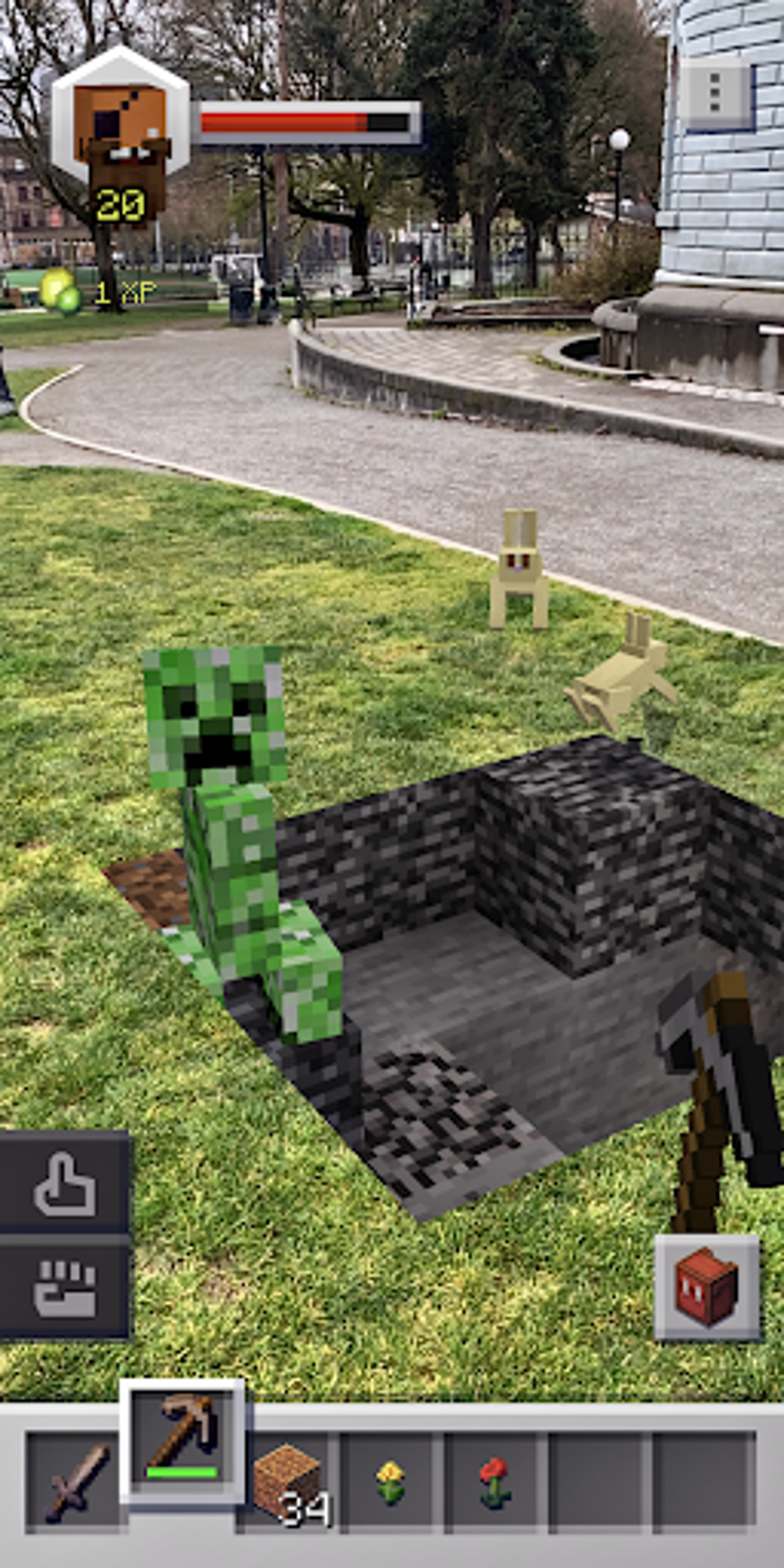
The game utilized the same Bedrock Engine as other Minecraft editions, ensuring a consistent experience for players familiar with the franchise. Two primary game modes dominated the experience: Build Mode and Play Mode.
Build Mode: In this mode, players interacted with Buildplates. These were digital canvases, essentially holographic platforms appearing on the player’s screen, onto which they could construct structures using collected resources. The Buildplates themselves were anchored to the real world, allowing for collaborative building projects that could be shared and viewed by other players in the vicinity. Imagine building a towering castle in your living room, visible not only to you but to others who happen to be in the same physical space using the app.
Play Mode: Once a structure was built in Build Mode, players could switch to Play Mode to experience their creation at a life-size scale. Using their phone’s camera, the game overlaid the digital model onto the real world, offering a remarkably immersive experience. Players could walk around their life-size creations, interact with them as they would in a standard Minecraft game, and even invite others to explore the structure with them. The seamless integration of the virtual and physical worlds was a key strength of Minecraft Earth’s design.
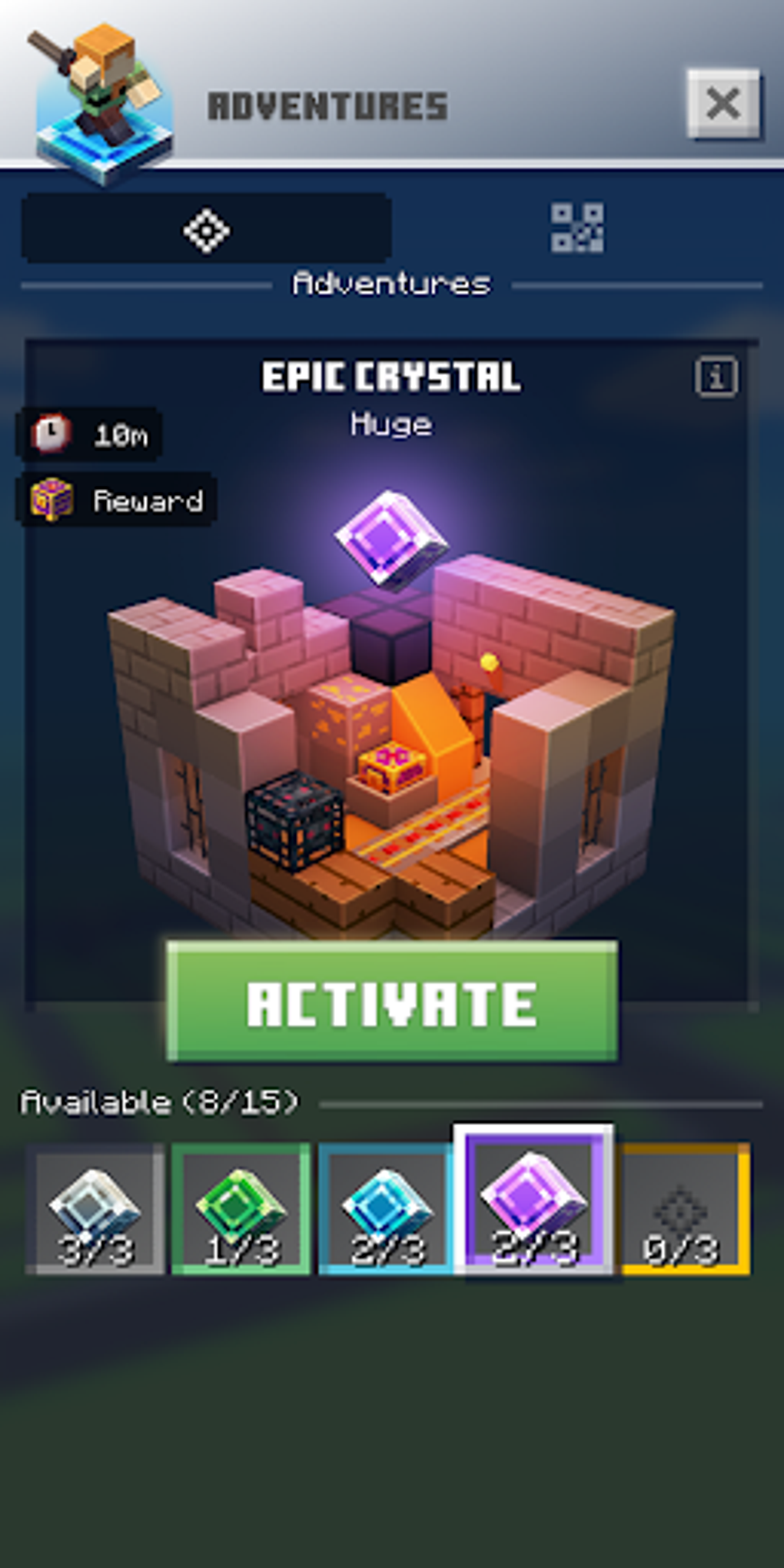
Resource acquisition involved interacting with the game map. Players would discover “tappables,” virtual representations of resources like wood, stone, and minerals, superimposed onto real-world locations. Tapping these tappables would add the corresponding resources to the player’s inventory, encouraging exploration of their surroundings. Furthermore, the game included “Adventures,” which were essentially augmented reality quests that varied in difficulty and type. These adventures sometimes involved solving puzzles, completing specific tasks within the game’s AR environment, or encountering and battling hostile mobs. The game cleverly adapted to the real world; if you encountered a physical tree in your backyard, for instance, the game would intelligently place virtual resources around it, minimizing any incongruities between the virtual world and the real one.
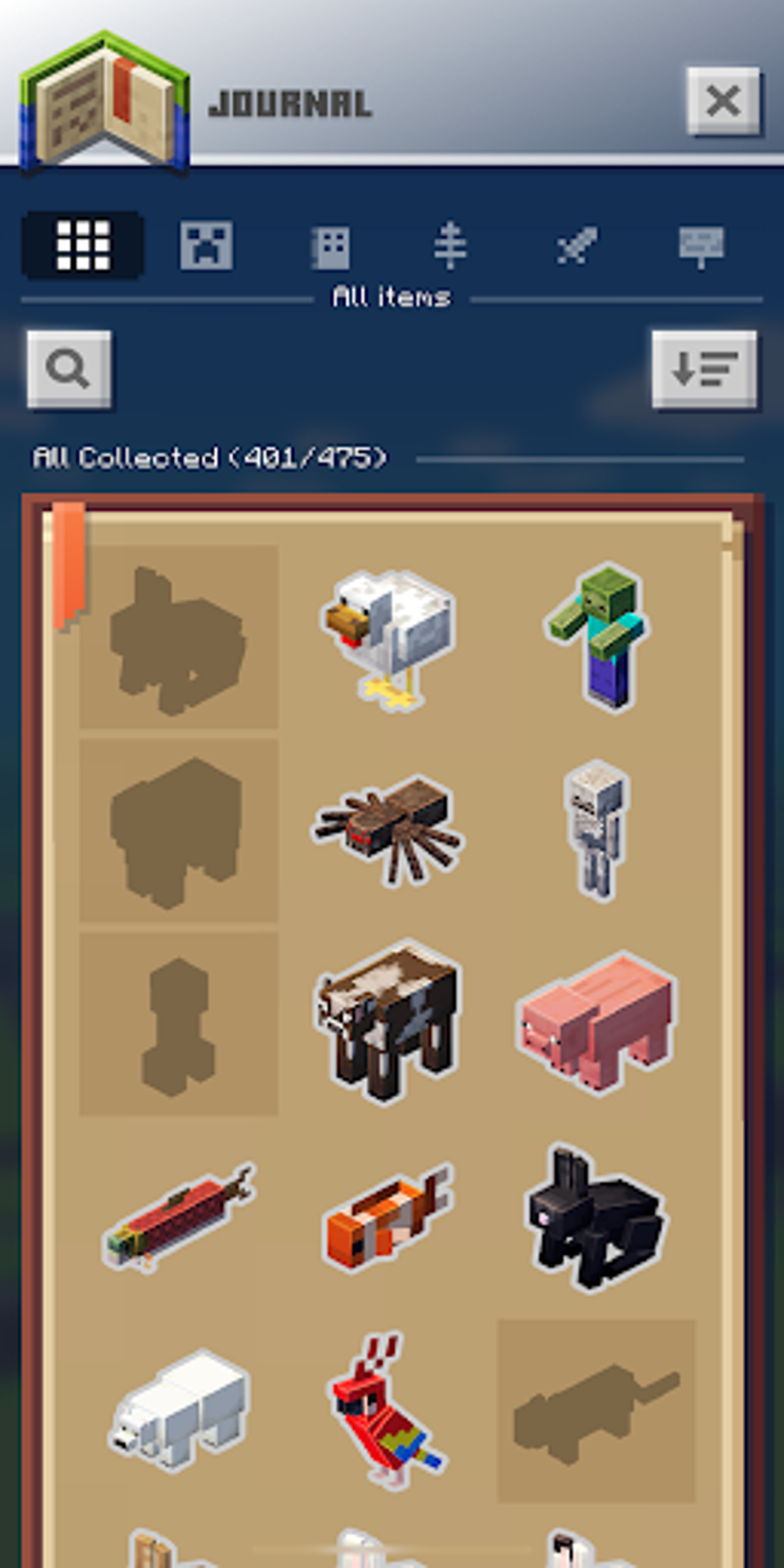
Minecraft Earth also incorporated a unique set of mobs (the creatures and entities within the Minecraft universe) with special variations not found in the main Minecraft game. These exclusive mobs added another layer of excitement and reward to the exploration aspect of the game.
The game featured two in-game currencies: rubies and minecoins. Rubies could be earned through gameplay or purchased, and they were used to acquire in-game items such as additional Buildplates. Minecoins, a currency consistent across all Bedrock versions of Minecraft, were only purchasable and served primarily for cosmetic enhancements, such as character skins and texture packs.
The Social Aspect of Minecraft Earth: Collaborative Creation
Unlike many mobile games that focus on competitive multiplayer, Minecraft Earth heavily emphasized teamwork and collaboration. There was no player-versus-player (PvP) mode. Instead, the game encouraged players to team up and engage in group adventures, further emphasizing the shared reality created by the augmented reality overlay.
Groups were open and could involve any number of players, fostering a sense of community. When players interacted within the game, they appeared as their Minecraft avatars, each identified by a gamer tag. Larger groups often had an easier time tackling challenges, especially those involving combat with hostile mobs. The rewards earned during a successful group adventure were shared equally among all participants, solidifying the collaborative nature of the game.
This shared-world design meant that there were no separate servers or game instances. When a player launched Minecraft Earth, they were instantly connected to the same augmented reality space as other players in their vicinity. This dynamic connection had a significant impact on the game’s social interaction. The creations built in Build Mode were not just personal projects; they were instantly shared within the augmented reality layer. If a player constructed a miniature park in their front yard, other Minecraft Earth players walking by could see and even interact with this digital creation.
Minecraft Earth’s Accessibility and Limitations
Minecraft Earth was free to download and play, but it included in-app purchases for cosmetic items and additional resources. While this model allowed broad access to the game’s core functionality, the availability of premium content affected the player experience.
The game’s compatibility was largely dependent on Android devices running Android 7.0 or later. While this covered a significant portion of Android users, it limited the game’s accessibility to older devices.
A significant drawback of Minecraft Earth was its lack of extensive combat features. While combat was present, particularly within the Adventures mode, it was not a central focus of the gameplay. This might have disappointed players anticipating a more robust combat system similar to other Minecraft editions. The absence of a PvP mode further underscored the game’s focus on collaborative building and exploration over direct competition.
The Legacy of Minecraft Earth and the Future of AR Gaming
Despite its eventual shutdown on June 30, 2021, Minecraft Earth holds a notable position in the history of augmented reality gaming. Its innovative blend of the familiar Minecraft universe and the real world, coupled with its strong emphasis on social interaction, provided a unique and engaging mobile gaming experience. While the game’s lifespan was shorter than initially anticipated, it demonstrated the potential of AR technology to transform the way we play games and interact with our surroundings.
The game’s success in incorporating AR technology into a well-established gaming franchise paved the way for future AR games to experiment with similar approaches, showcasing the power of blending digital and physical worlds in innovative ways. Although Minecraft Earth is no longer active, the principles behind its design and its accomplishments in integrating AR gameplay continue to inspire game developers working in the ever-evolving field of augmented reality gaming. Its demise does not diminish its significance as a pioneer in a rapidly evolving gaming landscape. The innovations introduced by Minecraft Earth serve as a valuable case study for developers continuing to explore the boundless potential of AR technology within the realm of gaming.
File Information
- License: “Free”
- Latest update: “May 16, 2025”
- Platform: “Android”
- OS: “Android 9.0”
- Language: “English”
- Downloads: “165.2K”
- Size: “66.42 MB”
- Download Options: “Google Play”
- Filename: “Minecraft_Earth_v0.33.0.apk”


