
Minesweeper, the iconic puzzle game, needs little introduction. For decades, its simple yet engaging premise has captivated millions worldwide. This article delves into the enduring appeal of Minesweeper Original, exploring its gameplay mechanics, historical context, variations, and the reasons behind its sustained popularity.
The Gameplay: A Simple Yet Strategic Challenge
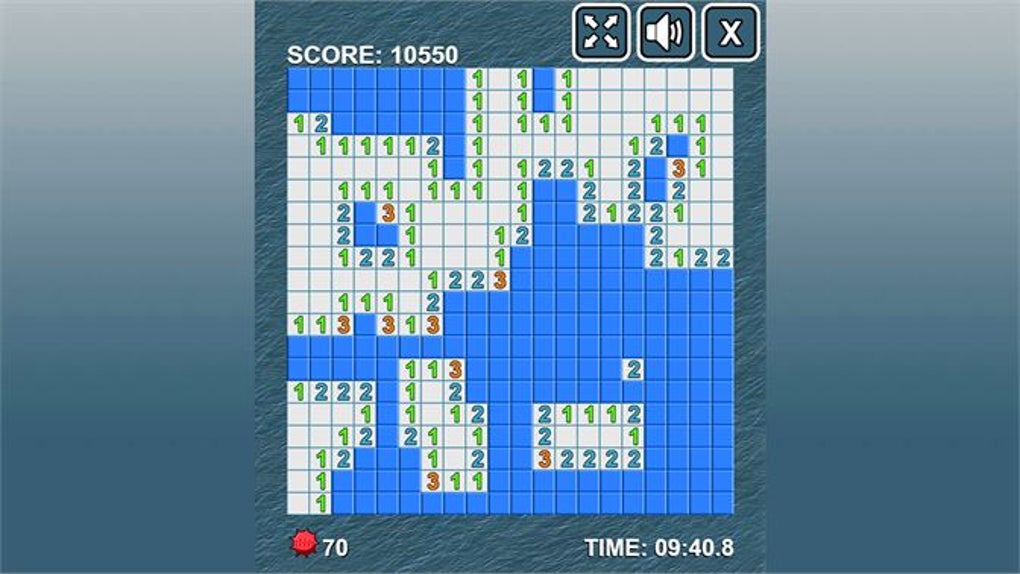
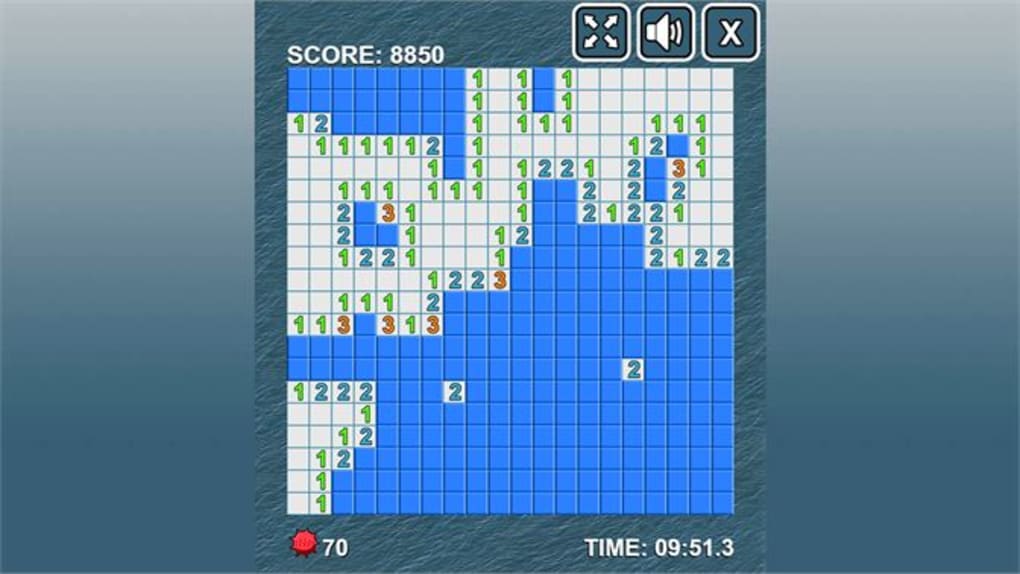
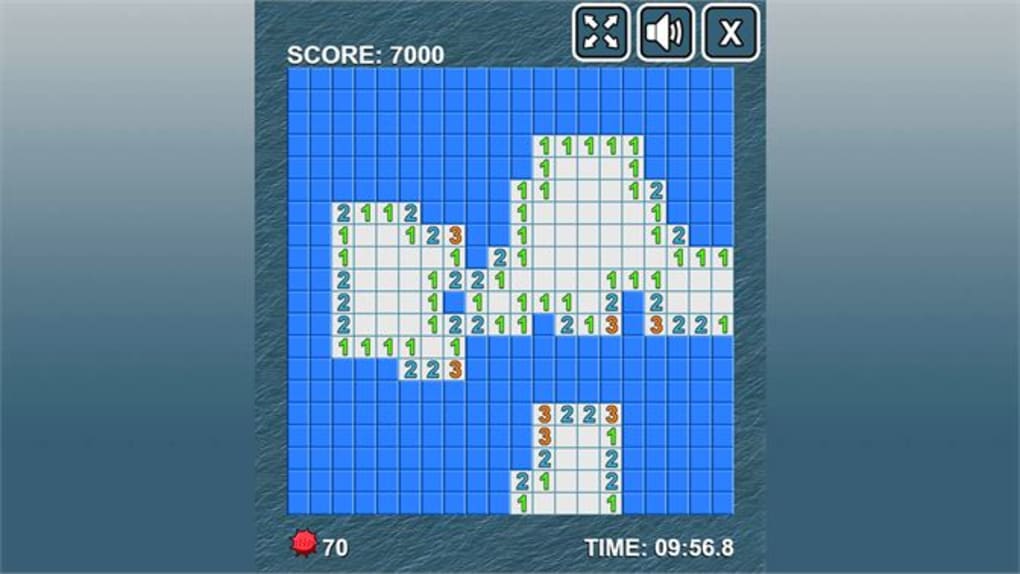
At its core, Minesweeper is a game of logic and deduction. Players are presented with a grid of squares, some of which conceal mines. The objective is to clear all the non-mine squares without triggering a mine. The player clicks on a square to reveal its contents. If a mine is revealed, the game ends. If a square is empty, a number appears, indicating the number of mines adjacent to that square (horizontally, vertically, and diagonally).
This seemingly straightforward mechanic is where the game’s depth lies. The numbered clues act as constraints, allowing players to deduce the location of hidden mines through logical inference. More advanced techniques involve probability and risk assessment, as players often need to make educated guesses based on the available information. The tension builds as the player carefully navigates the board, balancing risk and reward with each click. The strategic element makes it more than just a game of chance; it’s a test of cognitive skills, demanding concentration, careful planning, and quick thinking.
The simplicity of the interface belies the complexity of gameplay. The minimal design – a grid of squares, numbers, and flags (used to mark suspected mine locations) – allows players to focus entirely on the strategic challenge. This focus on core gameplay is a significant factor in its enduring appeal. There are no distracting elements or complex mechanics to learn; players can jump in and start playing immediately.
A Brief History: From Windows to Worldwide Phenomenon
Minesweeper Original, as its name suggests, represents a classic iteration of the game. Its roots trace back to the early days of personal computing. While the precise origins of the game are debated, versions of Minesweeper have existed since the 1960s, appearing in early text-based computer systems. However, its rise to global recognition came with its inclusion as a standard game in Microsoft Windows operating systems, beginning with Windows 3.1 in 1992.
This bundled inclusion proved to be a masterstroke of marketing. Millions of users were instantly introduced to the game, making it a near-ubiquitous experience for an entire generation. The accessibility and ease of access fueled its popularity. It was pre-installed, requiring no additional downloads or purchases. It became a staple for those waiting for applications to load, providing a brief, engaging distraction during downtime.
The simplicity of the rules and the immediate gratification of successfully clearing a board made it highly addictive. The challenging higher difficulty levels provided an ongoing source of engagement, ensuring its continued appeal even after mastering the easier levels. The game’s integration into the Windows operating system cemented its place in digital culture, transforming it from a simple pastime into a cultural touchstone.
Variations on a Theme: Expanding the Minesweeper Experience
While the core gameplay remains consistent across various versions, several variations and additions have emerged over the years. These modifications aim to enhance the core experience, offering new challenges and gameplay styles.
Some versions introduce alternative game modes, such as a “time trial” mode, where players compete against the clock to clear the board as quickly as possible. This adds a layer of time pressure, demanding even more strategic planning and swift execution. Others incorporate daily challenges, providing a fresh puzzle each day, ensuring ongoing engagement.
Different board sizes and mine densities also offer varying levels of difficulty. Smaller boards with fewer mines provide a gentler introduction to the game’s mechanics, while larger boards with a higher mine density offer a more challenging and demanding experience. Some versions even allow players to customize the board size and mine density, tailoring the game’s difficulty to their preferences.
Furthermore, some modern adaptations incorporate visual enhancements and improved user interfaces. While the basic gameplay remains unchanged, improved graphics and sound effects can enhance the overall gaming experience, making the game even more engaging and enjoyable.
The continuous evolution of Minesweeper demonstrates its adaptability and longevity. Developers have successfully incorporated new features and modifications without sacrificing the core essence of the original game, ensuring its continued relevance in an ever-changing gaming landscape.
The Enduring Appeal: Why Minesweeper Remains Relevant
The enduring appeal of Minesweeper Original and its variations stems from a unique combination of factors. The game’s simplicity and accessibility make it appealing to a wide audience, regardless of age or gaming experience. Anyone can pick up and play, understanding the rules almost immediately. The intuitive gameplay is not hindered by complex controls or lengthy tutorials.
Moreover, the strategic depth of Minesweeper keeps players engaged. While the basic rules are simple, mastering the game demands logical reasoning, pattern recognition, and risk assessment. This intellectual stimulation, combined with the immediate feedback of success or failure, creates a highly rewarding and addictive experience. The game’s simple yet effective design focuses the player’s attention on the core puzzle-solving aspects without distractions.
The game’s portability also contributes to its widespread popularity. The simple interface makes it suitable for a variety of platforms, from personal computers to mobile devices. This accessibility allows players to enjoy the game anytime, anywhere. Whether during a commute, a short break at work, or simply relaxing at home, Minesweeper provides a readily available source of mental stimulation.
Finally, the social aspect of Minesweeper cannot be underestimated. The ability to share high scores, strategies, and even challenging boards has fostered a sense of community among players. The simple nature of the game makes it easy to discuss tactics and solutions, fostering a sense of shared accomplishment and friendly competition.
In conclusion, Minesweeper Original remains a timeless classic for a reason. Its blend of simplicity, strategic depth, portability, and social engagement continues to captivate players across generations. The game’s enduring popularity speaks to its inherent qualities, demonstrating its lasting power as a source of entertainment and mental stimulation. The legacy of Minesweeper Original is secure, likely to continue engaging players for years to come.
File Information
- License: “Free”
- Version: “1.0”
- Latest update: “February 9, 2024”
- Platform: “Windows”
- OS: “Windows 11”
- Language: “English”
- Downloads: “10K”


