
Minicraft, a 2D top-down adventure game, emerged as a captivating creation from the mind of Mojang, the studio renowned for its groundbreaking title, Minecraft. While not sharing the expansive, three-dimensional world of its more famous sibling, Minicraft offers a surprisingly engaging experience that captures the essence of exploration, resource gathering, and monster combat within a compact, pixelated landscape. Created within the constraints of a 48-hour Ludum Dare competition, its limitations are apparent, but its charm and addictive gameplay loop remain undeniable. This exploration delves into Minicraft’s gameplay, its strengths, weaknesses, and its place within the broader gaming landscape.
Gameplay: A Simplified Minecraft Adventure
Minicraft presents a simplified, yet surprisingly compelling, take on the core mechanics of Minecraft. Players navigate a 2D world, reminiscent of classic top-down adventure games like the early Zelda titles, exploring a variety of environments, from lush forests to dark caves. The objective, as in Minecraft, is exploration and survival. Players must gather resources, craft simple tools and weapons, and fend off waves of hostile creatures that populate the night. The process involves navigating the terrain, identifying resource nodes (such as trees for wood and stone for tools), and utilizing those resources to create more advanced tools and weaponry to progress further.
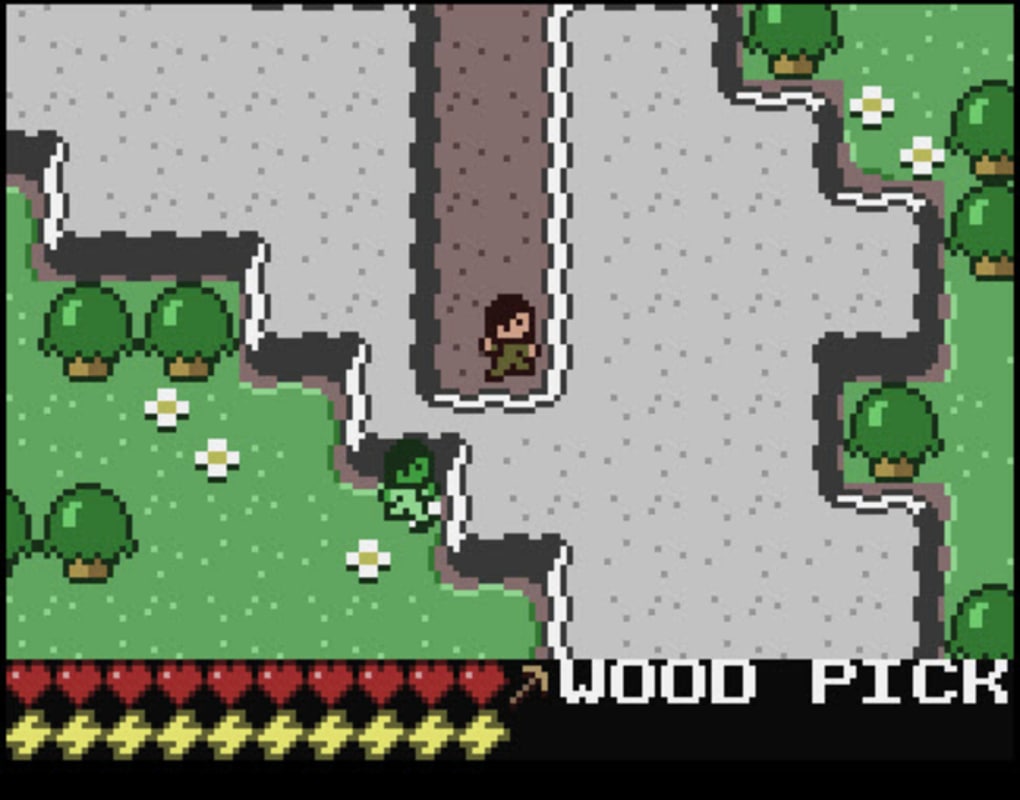
The crafting system is significantly streamlined compared to Minecraft’s complexity. Instead of intricate recipes involving dozens of items, Minicraft relies on a more basic approach, allowing for quick and efficient progression. This simplification, a direct consequence of the game’s development time constraints, makes it highly accessible to players of all skill levels. The reduced complexity allows for a faster paced experience, focusing more on the immediate thrill of exploration and combat.
Combat itself is straightforward, employing a simple attack mechanic and a focus on strategic positioning rather than intricate combat systems. Enemies, while varied in appearance, share relatively simple attack patterns, making them easily manageable even in larger groups with practiced use of the player’s weapons.
Minicraft’s Strengths: Accessibility and Addictive Gameplay
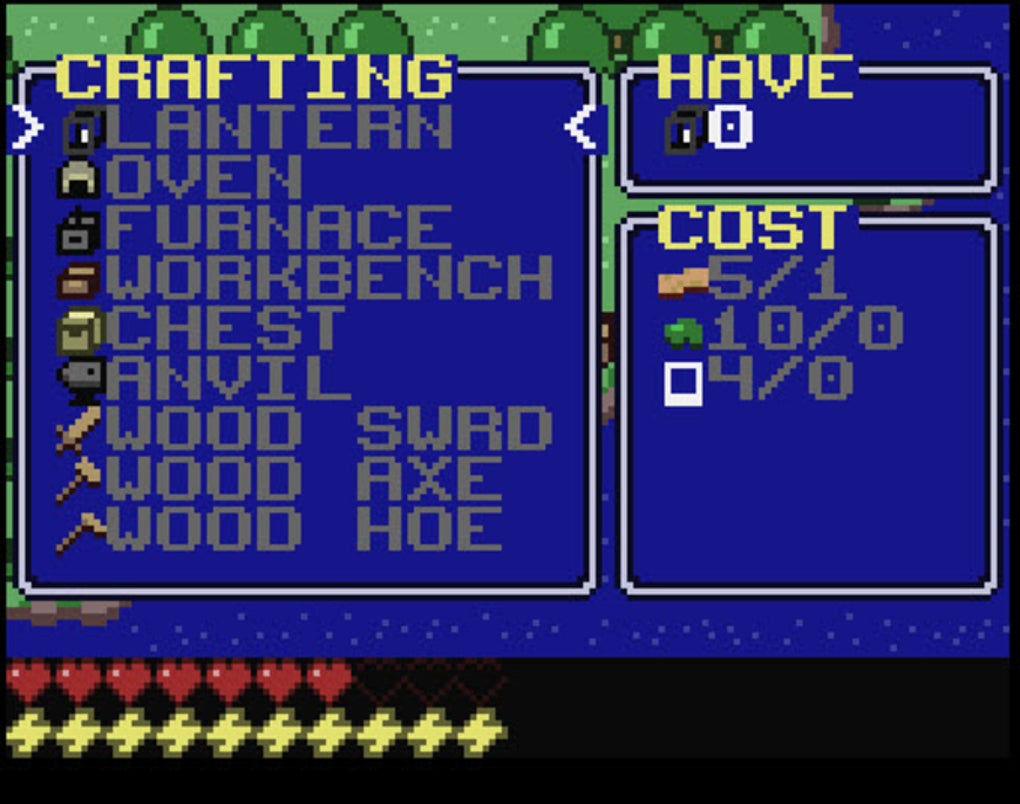
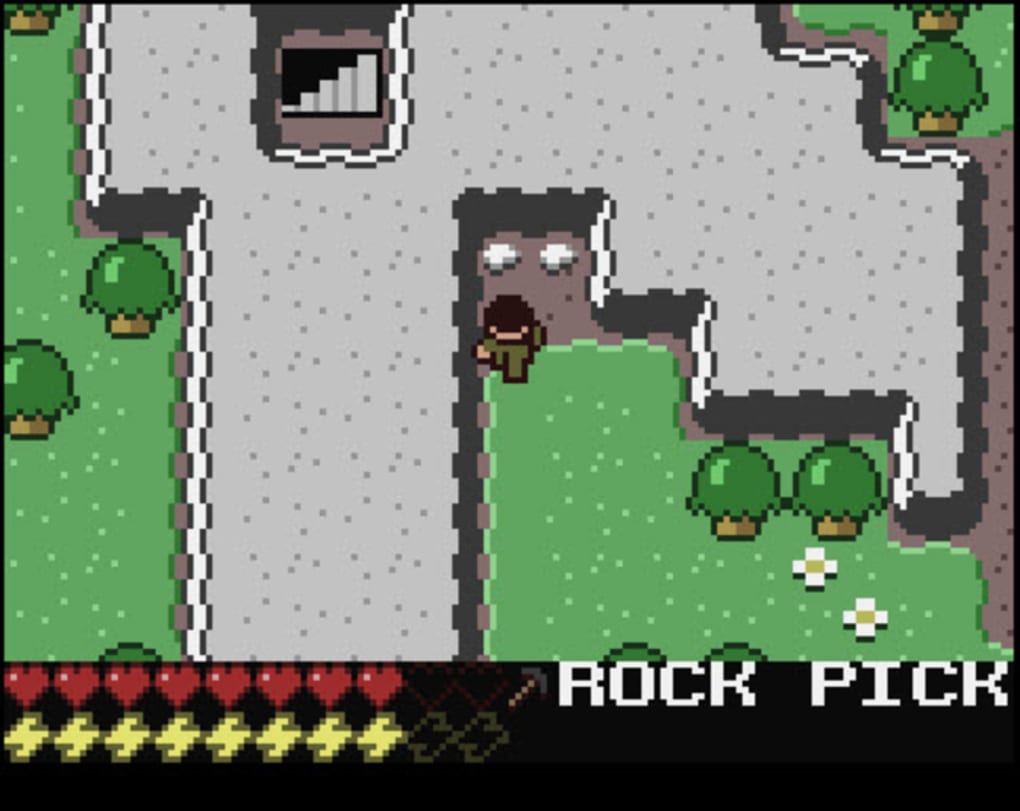
Despite its simplicity, Minicraft shines in its accessibility and its capacity to engage the player in a surprisingly addictive gameplay loop. The controls are intuitive and easy to master, making it immediately playable for individuals unfamiliar with Minecraft or similar titles. The game’s charming pixel art style adds to its appeal, creating a visually pleasing experience that remains engaging despite its low-resolution graphics.
The core loop of resource gathering, crafting, and exploration is remarkably effective. The satisfaction of transforming raw materials into useful tools and weapons, coupled with the thrill of uncovering new areas and encountering new challenges, provides a constant source of motivation. The immediate feedback the game provides, from the satisfying sound effects of mining to the visual change of transforming a tree into a useful resource, keeps the player engaged and invested in the process.
The game’s brevity also serves as an advantage. Minicraft’s compact nature ensures that a complete playthrough can be accomplished in a reasonable timeframe, making it ideal for short bursts of gameplay or for players seeking a less time-consuming adventure experience compared to Minecraft’s potentially limitless gameplay. This makes it perfect for casual gaming sessions or as a quick diversion between more demanding titles.
Minicraft’s Weaknesses: Limited Content and Replayability
While Minicraft’s accessibility and engaging core loop are its strengths, its limited scope is its primary weakness. Developed in just 48 hours, the game inevitably suffers from a lack of content. The world, while explorable, feels somewhat small and repetitive after a few playthroughs. There’s a distinct lack of variety in both environment and enemy types, which can lead to a sense of stagnation after the initial excitement wears off. The crafting system, while streamlined, also lacks depth, offering few options for creating varied and powerful tools or items. This limits the strategic options available to the player and detracts from the overall replayability.
The lack of a compelling narrative or overarching objective further contributes to the game’s limitations. While exploration and survival are inherently rewarding, the absence of a structured story or clear goals leaves the player with limited direction. This can lead to a sense of aimlessness after the initial exploration is complete, making it difficult for players to find continued motivation to return to the game. The feeling that the game is essentially completed after a few hours of gameplay significantly impacts its long-term appeal.
The simplistic nature of the game, while making it accessible, might disappoint players expecting the depth and complexity of Minecraft. The lack of advanced crafting features, varied biomes, or a compelling story will likely leave veteran Minecraft players feeling that Minicraft is just a simplistic homage rather than a complete game. However, its simplicity and straightforward nature is precisely what makes it appealing to a wider audience.
Comparisons to Similar Titles
Minicraft draws inspiration from both Minecraft and the classic top-down Zelda games. It shares the core mechanics of resource gathering, crafting, and exploration from Minecraft but streamlines them significantly for a more rapid-paced experience. The top-down perspective and focus on exploration echo the classic Zelda titles, lending a sense of familiarity and accessibility to the gameplay.
Compared to other titles in the same genre, Minicraft sits at a unique intersection. It doesn’t possess the expansive scope of Minecraft or the intricate gameplay systems of Terraria. Instead, it provides a simplified, accessible experience that’s perfect for casual players or those looking for a quick, engaging title without a significant time commitment.
Minicraft’s Legacy and Impact
Despite its limitations, Minicraft holds a unique place in gaming history. It showcases the creative potential that can arise even under significant time constraints, demonstrating how a compelling game can be built with a focus on core mechanics rather than overwhelming complexity. It’s a testament to the power of a simple, yet effective gameplay loop, proving that engaging gameplay doesn’t require sprawling worlds or intricate systems. While it may not stand as a long-term successor to Minecraft, it serves as a charming and accessible introduction to the genre, or simply a fun, quick diversion for experienced players.
Its impact lies not in revolutionizing the gaming industry, but in reminding developers and players alike that captivating experiences can be found even within limitations. The project’s success within the Ludum Dare competition further underscores the value of ingenious design and efficient implementation, even when facing strict deadlines. Minicraft is more than just a game; it’s a microcosm of the creative process and a reminder that simple games can be just as rewarding, if not more so, than their more elaborate counterparts. Its lasting legacy isn’t about its expansive features, but its compact, engaging gameplay loop, and its testament to creativity within constraints. The simplicity and accessibility of the gameplay make it an enjoyable experience for a broad audience, and its historical significance within the gaming community is undeniable.
File Information
- License: “Free”
- Latest update: “January 30, 2012”
- Platform: “Windows”
- OS: “Windows XP”
- Language: “English”
- Downloads: “138.4K”
- Size: “174.77 KB”


