
Monopoly, a name synonymous with cutthroat competition and strategic property acquisition, has captivated players worldwide for generations. This iconic board game, known for its simple yet engaging gameplay, has transcended its humble beginnings to become a cultural phenomenon, a testament to its enduring appeal. From family game nights to high-stakes tournaments, Monopoly’s universal recognition speaks to its ability to provide both lighthearted entertainment and challenging strategic depth. This exploration delves into the history, gameplay, variations, and cultural impact of Monopoly, examining what makes this seemingly simple game so compelling and enduring.
The History of Monopoly: From Quaker Oats to Global Phenomenon
The history of Monopoly is a fascinating tale of invention, adaptation, and remarkable commercial success. While the game’s modern incarnation is often associated with Parker Brothers (later Hasbro), its roots lie in a much earlier creation. The game’s origins can be traced back to Lizzie Magie, who in 1903 patented a game called “The Landlord’s Game,” designed to illustrate the economic consequences of land monopolies. Magie’s game featured two sets of rules: one that encouraged cooperation and equitable distribution of wealth, and another that replicated the competitive aspects of land speculation.
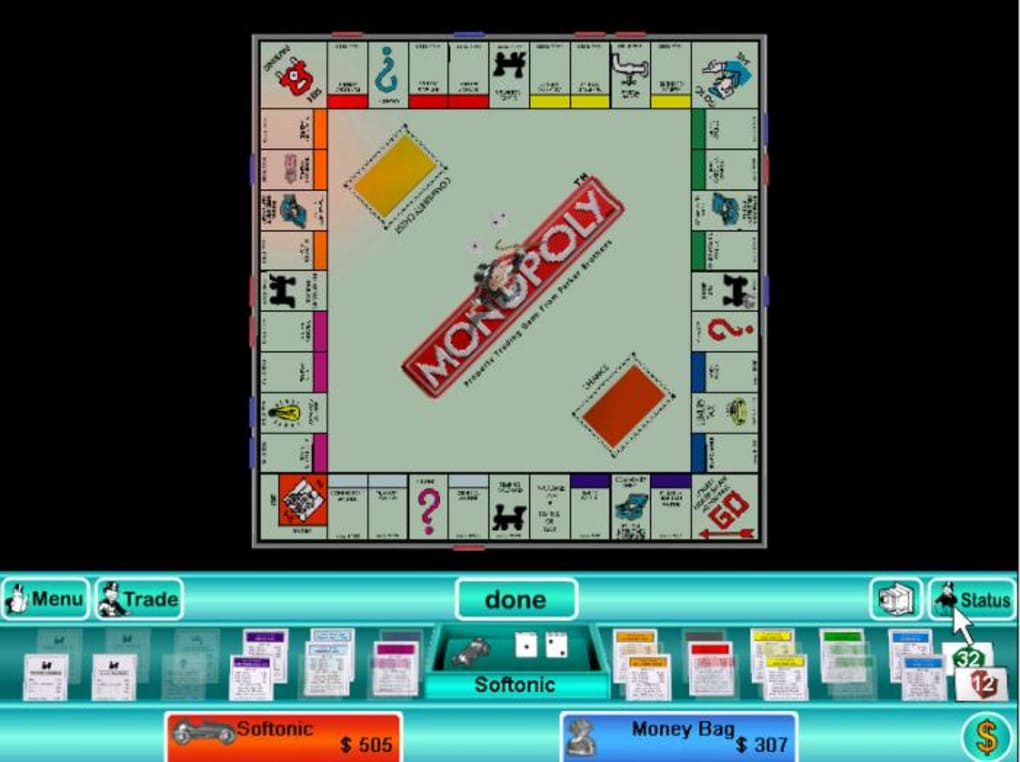
The Landlord’s Game gradually spread through word of mouth, evolving as it was passed down and played among different groups. It wasn’t until the 1930s, amidst the Great Depression, that Charles Darrow, an unemployed salesman, tweaked the rules and created a version he named “Monopoly.” Darrow’s version, while retaining the core mechanics of Magie’s original, focused more intensely on the competitive element of accumulating wealth and bankrupting opponents. He pitched his game to Parker Brothers, who initially rejected it, but eventually licensed it after its popularity exploded.
The success of Monopoly was swift and astounding. Parker Brothers, recognizing the game’s potential, quickly launched a mass-produced version, establishing Monopoly as a global phenomenon. The simple rules, the clear objective of financial dominance, and the exciting prospect of outmaneuvering opponents combined to create a winning formula that resonated with audiences of all ages and backgrounds. The game’s enduring popularity is a testament not only to its clever design but also to its reflection of real-world economic principles, albeit in a simplified and highly dramatized form. The very act of building a real estate empire, even a fictional one, taps into primal desires for wealth, power, and control.
Gameplay and Mechanics: A Strategic Dance of Chance and Skill
At its core, Monopoly is a game of property acquisition and strategic maneuvering. Players navigate a circular board, representing a fictional city, buying properties, building houses and hotels, and charging rent to opponents who land on their holdings. The game blends elements of chance, represented by dice rolls, with strategic decision-making, requiring players to weigh risks, manage resources, and anticipate their opponents’ moves.
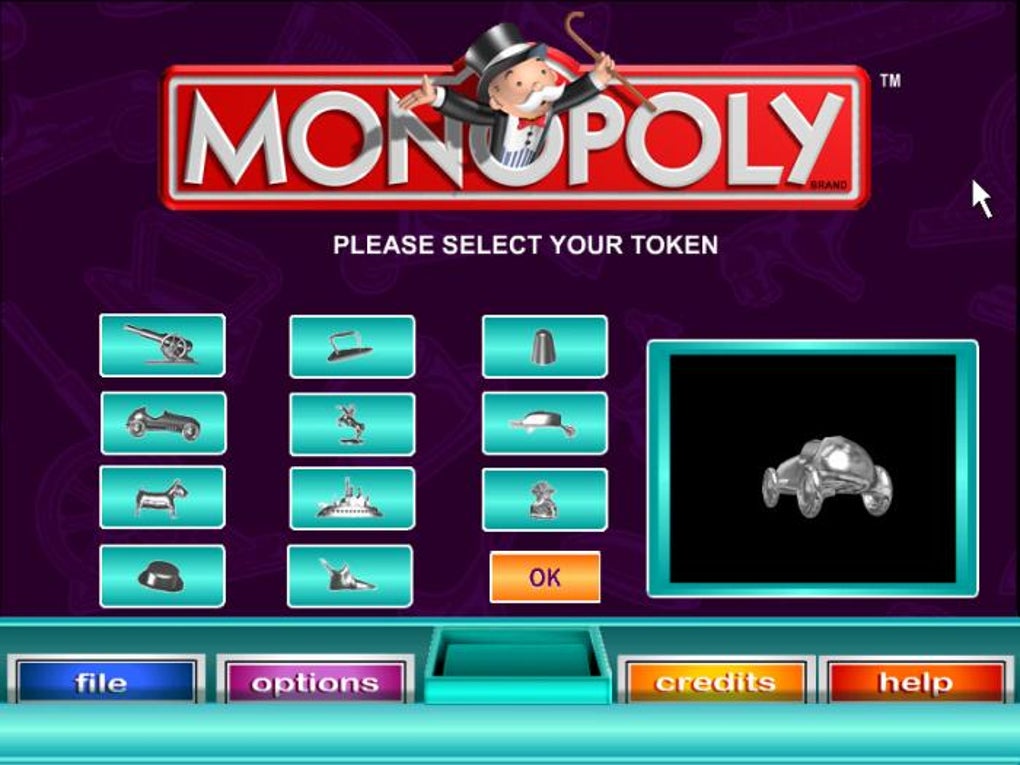
The game begins with each player selecting a game piece and receiving a starting sum of money. Players take turns rolling dice to move around the board, landing on various spaces: properties, utilities, railroads, chance and community chest cards, and of course, the dreaded “jail.” Landing on an unowned property allows a player to purchase it, adding to their growing real estate portfolio. If a player lands on a property owned by another player, they must pay rent according to the property’s value and any improvements (houses and hotels) that have been built.
Chance and Community Chest cards introduce elements of unpredictability, offering both opportunities and challenges. These cards might grant a player extra money, send them to jail, or require them to pay unexpected fines. This infusion of chance adds a layer of excitement and prevents the game from becoming purely predictable. The game continues until all but one player has been financially ruined, leaving a single victor to claim the title of Monopoly champion.
Beyond the Board: Variations and Adaptations of Monopoly
The enduring popularity of Monopoly has led to a vast array of variations and adaptations, expanding its appeal to diverse interests and demographics. From themed editions featuring iconic locations and characters to versions designed for younger players, Monopoly has proven remarkably adaptable.
Themed versions of Monopoly capture the imagination, transporting players to different worlds and contexts. City-specific editions feature landmarks and streets from major metropolitan areas, while licensed versions often incorporate popular characters and franchises. These adaptations offer a fresh perspective on the core gameplay, appealing to fans of specific brands or locations.
Simpler variations exist for younger children, streamlining the rules and reducing the complexity of financial management. These versions retain the core principles of property acquisition and rent collection but are designed to be more accessible to those with limited experience or shorter attention spans. This accessibility ensures that new generations can continue to enjoy the game and learn its strategic nuances. Even digital versions have proliferated, providing a convenient alternative to the traditional board game experience, with added features like online multiplayer capabilities.
The Cultural Impact of Monopoly: More Than Just a Game
Monopoly’s impact extends far beyond its role as a simple board game. Its influence on popular culture is profound, reflected in its frequent appearances in films, television shows, and even literature. The game’s central theme – the pursuit of wealth and dominance – has resonated with audiences, becoming a metaphorical representation of capitalist ambition and the complexities of economic competition.
The game’s frequent use as a symbol of capitalist excess reflects its underlying mechanics. The objective of accumulating wealth and driving opponents into bankruptcy mirrors the dynamics of real-world economic competition, albeit in a highly simplified and playful manner. The game’s popularity has fueled discussions about wealth inequality, economic systems, and the nature of competition, transforming it into a vehicle for exploring complex societal issues. This ability to stimulate conversation and provoke reflection elevates Monopoly from a mere pastime to a cultural touchstone. Its familiarity allows it to be used as a common point of reference across social and generational divides, highlighting its significance in shaping modern discourse.
In conclusion, Monopoly’s enduring appeal stems from a potent combination of factors. Its simple yet strategic gameplay, its adaptability to various themes and audiences, and its ability to reflect broader societal concerns have ensured its lasting popularity. More than just a game, Monopoly stands as a cultural icon, a testament to the enduring human fascination with wealth, competition, and the pursuit of victory. Its legacy extends beyond board game enthusiasts, serving as a recognizable symbol in various media and a platform for broader discussions about economics and societal structures. Monopoly’s continued relevance proves its ability to entertain and provoke thought, ensuring its place as a timeless classic.
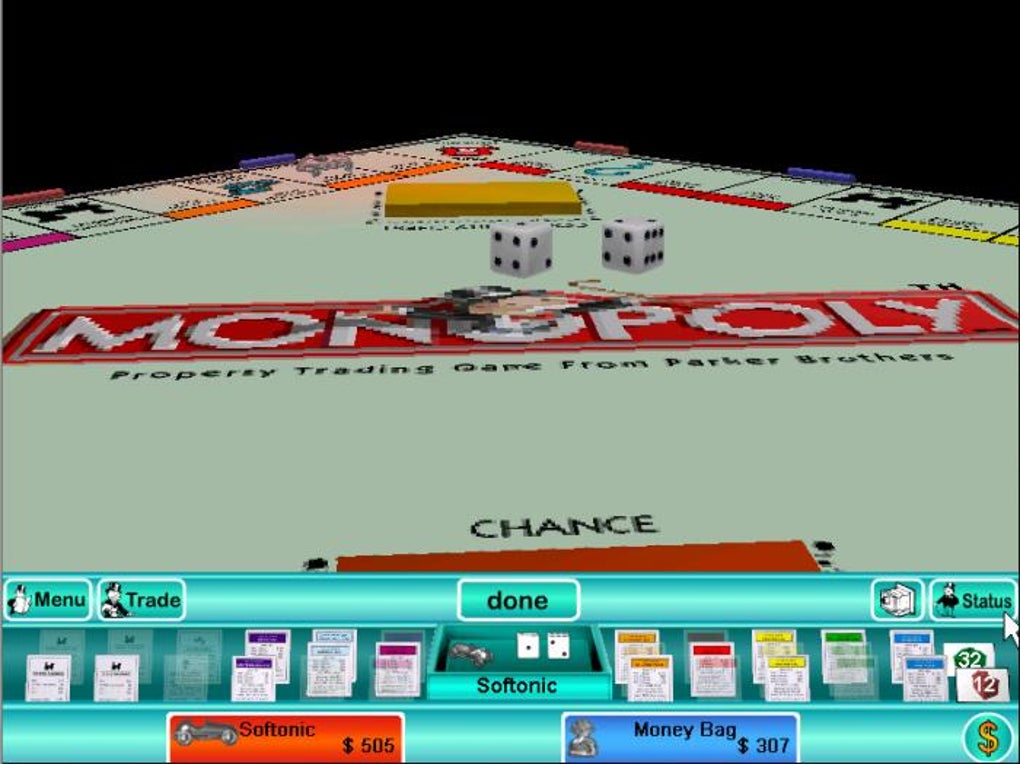
File Information
- License: “Trial version”
- Version: “3”
- Latest update: “May 4, 2022”
- Platform: “Windows”
- OS: “Windows 98”
- Language: “English”
- Downloads: “236.9K”
- Size: “17.23 MB”


