
MoodFeel is a newly released free iPhone application designed to assist users in tracking and managing their emotional well-being. Developed by Evelyn Morales and published on Softonic on May 3rd, 2024, this app falls under the “Utilities & Tools” category and is currently available in English, requiring iOS 16.4 or higher. While Softonic hasn’t yet had the opportunity to conduct a full review, they encourage users to download, try the app, and provide feedback through ratings and comments. This user input will be invaluable in assessing the app’s effectiveness and identifying areas for potential improvement.
Apps: MoodFeel’s Place in the App Ecosystem
MoodFeel enters a rapidly growing market of mental wellness apps. Its simplicity and free-to-use nature distinguish it from some competitors that offer subscription-based premium features. The app’s success will largely depend on its user-friendliness and the effectiveness of its core functionality, which remains largely unknown until user feedback is gathered. The lack of detailed information about specific features at this early stage makes it challenging to directly compare MoodFeel to existing apps. However, the potential for it to fill a niche need, perhaps catering to users seeking a simple and straightforward mood tracker, is undeniable. The app’s success will hinge on providing a user experience that is both intuitive and beneficial. The current lack of detailed reviews highlights the importance of user engagement and feedback in shaping the app’s development trajectory.
The absence of in-app purchases or subscription models immediately establishes MoodFeel as an accessible option for a wider range of users. This accessibility could be a key differentiator in a market increasingly dominated by paid apps that offer premium features and functionalities. The crucial next step for MoodFeel is garnering user reviews, which will provide insights into its strengths and weaknesses, helping shape future updates and feature development. The fact that it is available only in English, however, may limit its immediate reach to a global audience.
Games: Exploring the Potential for Gamification
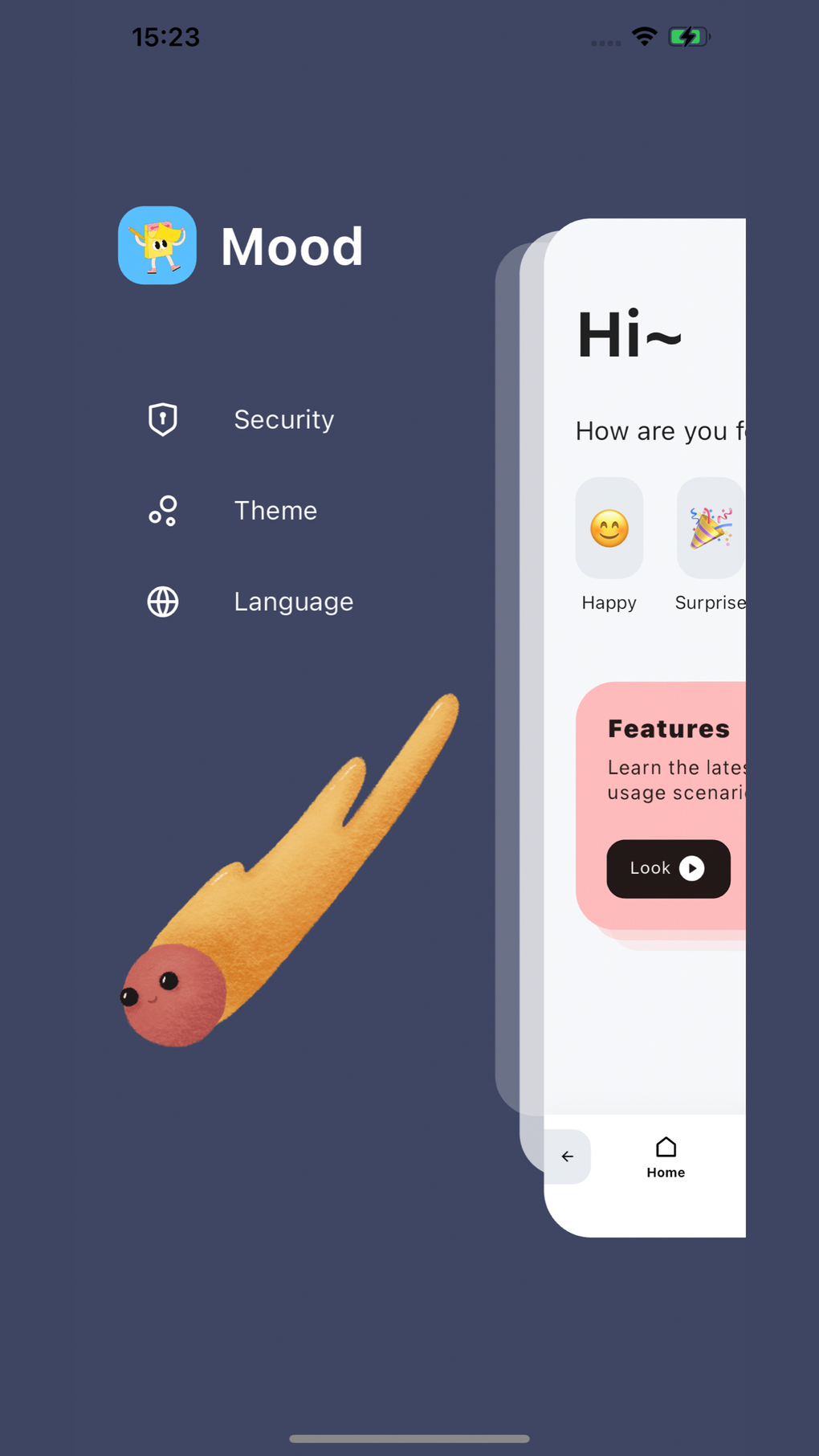
While MoodFeel is currently categorized as a utility tool, there’s potential for future development to incorporate elements of gamification. Many successful wellness apps use game mechanics to incentivize consistent use and track progress. For instance, a reward system based on consistent mood logging, offering virtual badges or achievements for maintaining a positive emotional state, could significantly enhance user engagement. Gamification could also include challenges, such as maintaining a certain level of emotional balance over a set period. These features, while currently absent, offer exciting avenues for future development that could significantly enhance the app’s effectiveness and user retention.
The current lack of such game elements should not be seen as a shortcoming, but rather as an opportunity. MoodFeel could carefully incorporate gamification strategically, ensuring it remains a helpful tool rather than a distracting game. A well-designed system of rewards and challenges could make consistent mood tracking a more enjoyable and less daunting task for users. This could lead to more reliable data and a more comprehensive understanding of their emotional patterns, ultimately leading to more effective self-management strategies. Future updates could include progress bars, customizable goals, and perhaps even the ability to compete (anonymously) with friends, fostering a sense of community and shared progress.
News: Keeping Users Informed about Emotional Well-being
While not a news aggregator, MoodFeel could integrate news and updates related to mental health and well-being. This feature could involve curated articles, tips, and resources related to emotional management, stress reduction, and mental health services. Providing links to reputable organizations and online resources would significantly increase the app’s value beyond simple mood tracking. This additional content could transform MoodFeel into a comprehensive resource for users seeking information and support in managing their emotional health.
This integration shouldn’t be overwhelming; curated content should be concise and easily accessible. Users could opt-in to receive regular updates, perhaps weekly or bi-weekly, with relevant articles and resources. This approach ensures the app doesn’t become overly cluttered while providing users with valuable information they can access at their convenience. The incorporation of such news elements, carefully curated and relevant, could transform MoodFeel into a more holistic mental wellness platform. The focus remains on user experience and ensuring that news and resources remain supportive and relevant to the app’s core functionality.
For Business: Exploring the Potential for Corporate Wellness Programs
MoodFeel’s potential extends beyond individual users to encompass corporate wellness programs. Companies increasingly recognize the importance of employee mental health and well-being. A business-oriented version of MoodFeel could provide employers with aggregated, anonymized data on employee mood trends, allowing them to identify potential areas of concern within their workforce. This information can be invaluable in shaping proactive strategies to improve employee morale, productivity, and overall well-being.
However, data privacy and ethical considerations are paramount. Any corporate adaptation of MoodFeel would need robust privacy protocols to protect employee data. Aggregated data should not allow for individual identification, and consent must be explicitly obtained from all users. The focus must be on providing valuable insights for improving workplace conditions without compromising the privacy of individual employees. This consideration is crucial for gaining trust and ensuring the ethical use of the app in a professional setting. This highlights the need for thoughtful development and meticulous attention to ethical considerations.
iPhone: MoodFeel’s Platform and Future Updates
MoodFeel’s current exclusivity to the iPhone platform presents both opportunities and challenges. Focusing initially on a single platform allows for targeted development and optimization, but it also limits the app’s potential reach. Future development could explore expanding to other mobile platforms, such as Android, to reach a wider user base. This expansion would require careful consideration of platform-specific design guidelines and user expectations.
The current version (3.0) supports iOS 16.4 and above, indicating a commitment to utilizing the latest features and technologies available on the platform. This indicates a focus on delivering a modern, performant application. However, backward compatibility with older iOS versions might be considered for future releases, ensuring accessibility for a broader range of iPhone users. Future updates could also involve incorporating user feedback, adding new features (like the gamification and news features discussed above), and further refining the user interface for an even smoother and more intuitive experience.
Utilities & Tools: MoodFeel’s Place in the App Category
MoodFeel’s categorization as a utility tool accurately reflects its core function: providing a simple and effective way to track mood and emotional patterns. However, its potential to evolve beyond a simple tracker, incorporating the previously mentioned features, could broaden its functionality and appeal. The app’s success will depend on its ability to provide tangible value to users, whether through improved self-awareness, personalized recommendations, or simply providing a convenient platform for monitoring emotional well-being.
The existing alternatives within the Utilities & Tools category likely offer a diverse range of functionalities, from simple reminders and task managers to complex productivity suites. MoodFeel’s unique selling proposition lies in its focused approach to emotional health management. This niche focus, combined with a user-friendly design and consistent updates incorporating user feedback, will be crucial in establishing its position within the crowded app market. The ultimate success will rest on its ability to meet and exceed user expectations while continuously adapting to their evolving needs.
In conclusion, MoodFeel represents a potentially valuable addition to the growing landscape of mental wellness apps. Its early release emphasizes a commitment to user feedback, which will play a crucial role in shaping its future development. The potential for gamification, the incorporation of relevant news and resources, and the possibility of expanding to other platforms all indicate a commitment to continuous improvement and a willingness to adapt to the evolving needs of its users. The app’s success hinges not only on its technical performance but also on its ability to positively impact the emotional well-being of its users.
File Information
- License: “Free”
- Version: “3.0”
- Latest update: “May 3, 2024”
- Platform: “iPhone”
- OS: “iOS 16.4”
- Language: “English”
- Downloads: “3.6K”


