
Mortal Kombat, a name synonymous with over-the-top violence and groundbreaking fighting game mechanics, has captivated audiences for decades. Its enduring popularity stems not only from its innovative gameplay but also from its signature feature: the Fatality. These gruesome and often creatively bizarre finishing moves have become a defining element of the series, shaping its identity and pushing the boundaries of what’s acceptable in video game violence. This exploration delves into the history, evolution, and cultural impact of Mortal Kombat Fatalities.
The Genesis of Gore: Early Fatalities and Their Impact
The original Mortal Kombat (1992) wasn’t the first fighting game, but it was arguably the first to truly embrace graphic violence as a core gameplay mechanic. Prior fighting games, while featuring combat, generally kept the violence relatively stylized and bloodless. Mortal Kombat, however, introduced digitized actors, lending a disturbingly realistic quality to its brutal combat. This realism, coupled with the introduction of Fatalities, instantly made the game controversial.
These finishing moves, triggered after a victory, weren’t merely about dealing the final blow; they were elaborate displays of gore and imaginative brutality. Scorpion’s iconic spine rip, Sub-Zero’s freeze and shatter, and Reptile’s acid spit were instantly recognizable and memorable. The visceral nature of these moves, combined with their relatively simple execution, made them incredibly satisfying to perform and a significant part of the game’s appeal. This immediate and potent combination of visual shock and player agency cemented the Fatality’s place in gaming history.
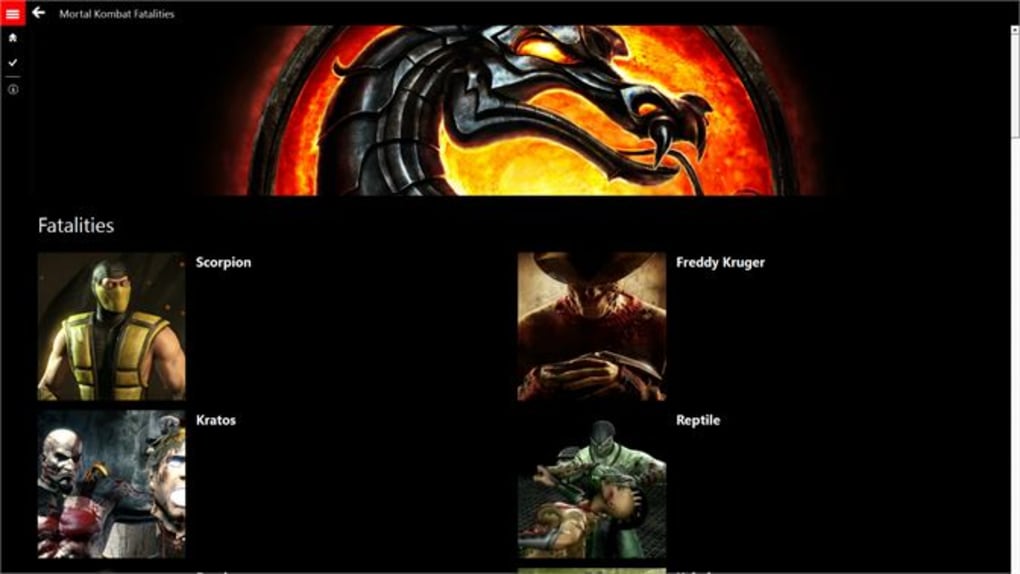
The controversy surrounding Mortal Kombat’s violence, far from damaging the game, propelled it into the mainstream. The debate sparked public outcry, government hearings, and the creation of the Entertainment Software Rating Board (ESRB), highlighting the growing influence of video games on society and prompting a wider discussion about the portrayal of violence in entertainment. This controversy, ironically, served as a potent marketing strategy, driving sales and cementing Mortal Kombat’s status as a cultural phenomenon.
Evolution of Brutality: From Simple to Spectacular
The Fatalities didn’t remain static. As the series progressed, the creativity and complexity of the finishing moves evolved dramatically. Subsequent installments introduced increasingly elaborate and over-the-top Fatalities, pushing the boundaries of what was possible within the game’s engine and expanding upon the gruesome possibilities.
Early Fatalities were relatively straightforward, often involving a single, brutal animation. Later games, however, introduced multi-stage Fatalities, interactive elements, and even environmental interactions. Players could now participate in increasingly elaborate dismemberments, visceral organ removals, and even downright bizarre and surreal scenarios. This evolution wasn’t just about increasing the gore; it also reflected advancements in technology, allowing for more detailed animations and a wider range of visual effects.
Furthermore, the sheer variety of Fatalities increased exponentially. Each character developed a unique roster of finishing moves, reflecting their individual fighting styles and backstories. This customization added a layer of depth and replayability, encouraging players to experiment with different characters and discover new and creative ways to dispatch their opponents.
Beyond Fatalities: Expanding the Finishing Move Arsenal
While Fatalities remain the most iconic finishing moves, the Mortal Kombat series has expanded its repertoire considerably. The introduction of other finishing move types, such as Babalities (transforming the opponent into a baby), Animalities (transforming into an animal and performing an animalistic attack), Brutalities (highly gruesome variations of the final blow), and Friendship (humorous, non-violent moves) diversified the post-victory options. These variations added layers of depth and humour, countering the relentless gore with moments of levity or absurdity.
This diversification demonstrated a willingness to experiment and evolve beyond the initial concept of the Fatality. It acknowledged the criticisms while simultaneously embracing the series’ core identity of pushing boundaries. This approach has allowed Mortal Kombat to maintain its unique appeal over the years, catering to a wider range of preferences while staying true to its core DNA.
Cultural Impact and Legacy
The impact of Mortal Kombat Fatalities extends far beyond the gaming community. They have become ingrained in popular culture, influencing other video games, films, and even broader societal discussions about violence in entertainment. The iconic imagery of Scorpion’s spine rip, Sub-Zero’s ice-based fatalities, and numerous others have transcended their origins and become instantly recognizable symbols of the franchise.
The Fatalities’ influence on the video game industry is undeniable. Many fighting games followed suit, incorporating similar finishing moves, although rarely with the same level of graphic detail or imaginative brutality. The controversy surrounding Mortal Kombat helped define the landscape of video game ratings and regulation, impacting how violence is portrayed and controlled in interactive entertainment.
Beyond the gaming world, Fatalities have entered the lexicon of popular culture. They are frequently referenced in memes, internet culture, and other forms of media. The visual impact and memorable nature of these moves have made them enduring elements of pop culture conversation, a testament to their enduring legacy.
The Future of Fatalities
As Mortal Kombat continues to evolve, so too will its Fatalities. With each new installment, the developers push the technological boundaries, creating increasingly complex and visually impressive finishing moves. The future likely holds even more elaborate animations, inventive gore, and perhaps even further diversification of finishing move types.
However, one thing remains certain: the Fatality will continue to be a core component of the Mortal Kombat experience. It is not simply a gameplay mechanic; it’s a cultural touchstone, a defining characteristic of the franchise that has shaped its identity and cemented its place in gaming history. The future of Mortal Kombat is inextricably linked to the future of its gruesome, glorious Fatalities. The legacy of these violent, and sometimes hilariously absurd finishing moves continues to influence the landscape of video game violence and culture. The debate surrounding its depictions of violence, its impact on the gaming industry’s self-regulation, and its overall influence on popular culture will undoubtedly continue for years to come.
File Information
- License: “Trial version”
- Version: “1.0.4.0”
- Latest update: “February 9, 2024”
- Platform: “Windows”
- OS: “Windows 10”
- Language: “English”
- Downloads: “8.4K”


