
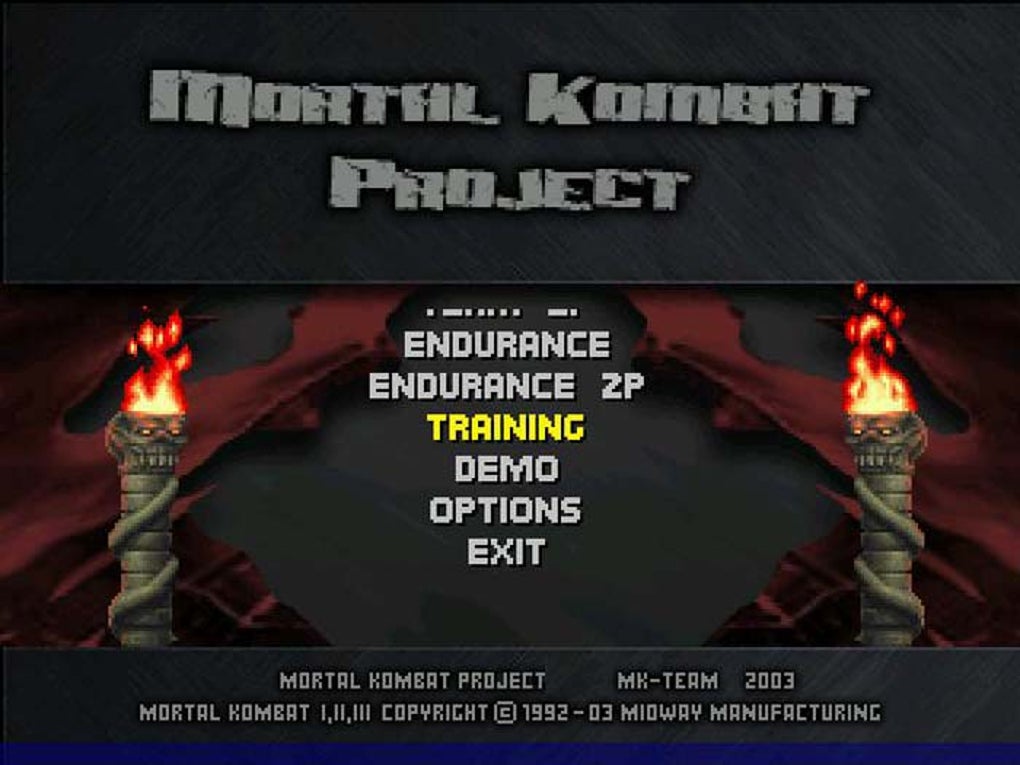
Mortal Kombat, the iconic fighting game franchise, exploded onto the scene in 1992 with its groundbreaking digitized sprites, over-the-top violence, and unforgettable fatalities. This revolutionary approach to fighting games spawned numerous sequels, and its impact continues to resonate within the gaming community. Capitalizing on this enduring popularity, a dedicated group of Mortal Kombat fans embarked on an ambitious project: creating a completely free, fan-made version of the game using the M.U.G.E.N. engine. This project, known simply as “Mortal Kombat Project,” aimed to bring together a vast roster of characters from across the franchise’s history, offering players a comprehensive and nostalgic experience.
A Roster of Combatants: Characters and Fatalities
Mortal Kombat Project boasts a remarkable roster of over 30 characters, each faithfully recreated with their signature moves and, of course, their gruesome fatalities. The game’s developers strived for accuracy, meticulously implementing the unique fighting styles and special moves that defined each character throughout the series’ many iterations. From the iconic Sub-Zero and Scorpion to lesser-known characters from the franchise’s extensive history, the roster represents a substantial collection of combatants for players to master and pit against one another.
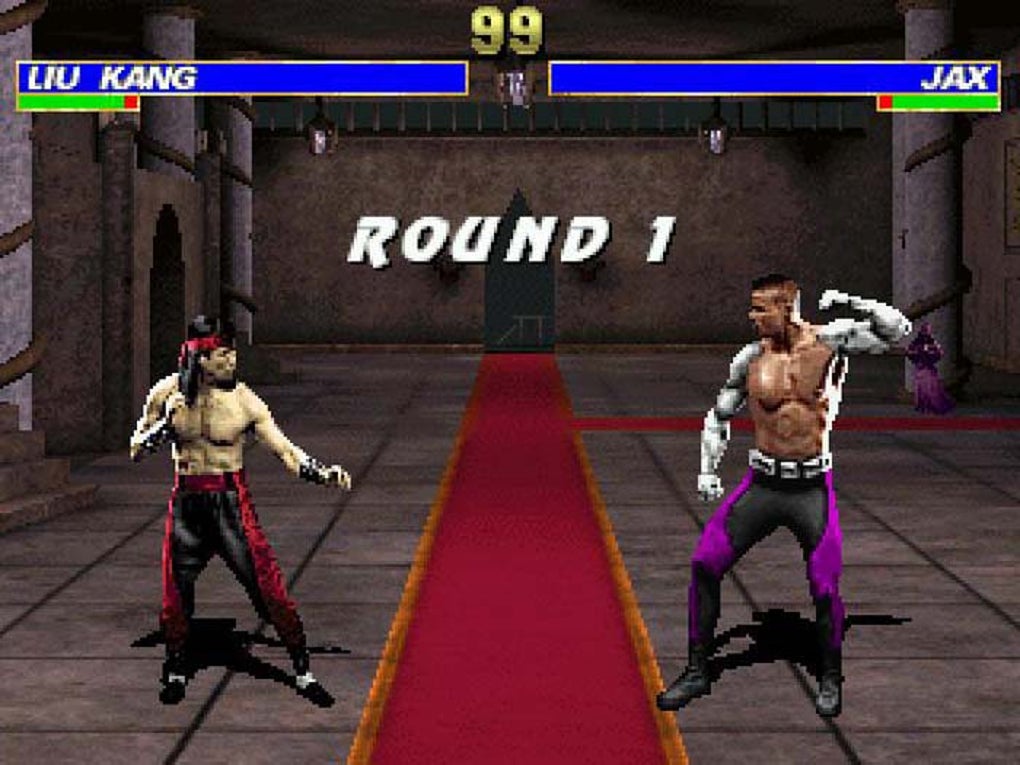
The inclusion of fatalities, a defining feature of the Mortal Kombat series, is a key element of the Mortal Kombat Project experience. These brutal finishing moves, ranging from the classic spine-rip of Scorpion to more elaborate and creative executions, are faithfully reproduced, adding a significant layer of visceral excitement to the gameplay. While the fatalities may not always achieve the same level of graphical fidelity as their official counterparts, they capture the essence and brutality of the original, providing a satisfying sense of closure after a hard-fought victory.
However, it’s crucial to acknowledge that the game, being a fan-made project, is not without its imperfections. The development process, undertaken by volunteers driven by passion rather than professional resources, has resulted in occasional bugs and glitches. While these flaws do not fundamentally detract from the overall gameplay experience, they occasionally disrupt the flow and demand a degree of patience from players. The developers have acknowledged these limitations and continue to address them as resources and time permit.
The Visuals: A Nostalgic Trip to the Past
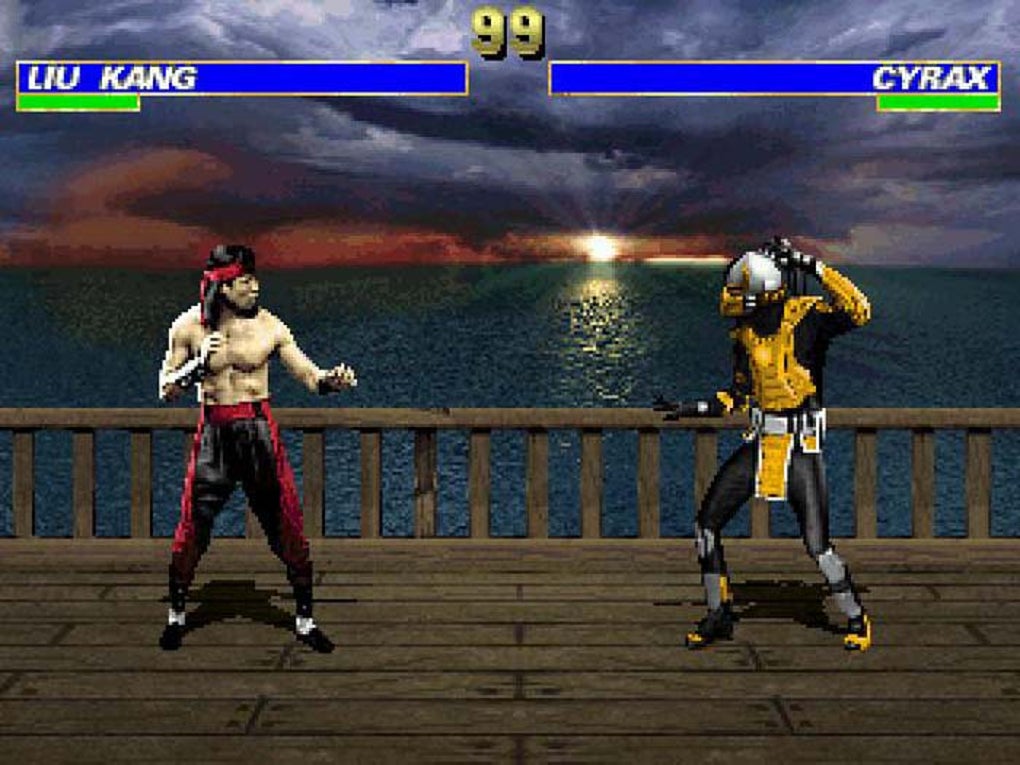
Visually, Mortal Kombat Project opts for a retro aesthetic, drawing inspiration primarily from Mortal Kombat III. The developers chose this particular installment as the basis for the game’s visuals, recognizing the widespread appreciation for its sprite work, which many consider to be the pinnacle of 2D Mortal Kombat graphics. While not achieving the same level of polish as modern fighting games, the graphics remain evocative of the series’ early glory days, offering a dose of nostalgic charm that resonates with longtime fans.
The choice to utilize sprites from Mortal Kombat III provides a distinct visual style that sets Mortal Kombat Project apart from other M.U.G.E.N. titles. The sprites, while not without their age, possess a unique character and charm that complements the game’s overall aesthetic. They convey a sense of familiarity, immediately transporting players back to the era of classic arcade brawlers and the pixelated perfection that characterized many of the most memorable fighting games of that period. While lacking the photorealism of modern games, the sprites manage to effectively convey the characters’ personalities and actions within the constraints of their 2D format.
The decision to focus on the aesthetics of Mortal Kombat III has also served to streamline the development process. By using pre-existing assets, the developers could concentrate their efforts on implementing gameplay mechanics and integrating the vast roster of characters, rather than getting bogged down in the resource-intensive task of creating entirely new visuals from scratch. This strategic choice allowed for the efficient development and release of a game that features a large and diverse cast of characters.
Gameplay and Controls: A Balancing Act
Mortal Kombat Project’s gameplay largely mirrors that of the original Mortal Kombat games, although it may present some unique challenges to players. The controls, while striving for faithfulness to the source material, may require some adjustment for those accustomed to more modern fighting game mechanics. The game uses a traditional control scheme typical of 2D fighters, with buttons for punches, kicks, blocks, and special moves. However, the game’s age and reliance on the M.U.G.E.N. engine, which wasn’t designed specifically for Mortal Kombat, can sometimes lead to an unrefined or inconsistent feel during gameplay.
Reports from players indicate that the controls can be challenging to configure correctly, particularly when using joysticks, adding another layer of difficulty for newcomers. Some users have reported that the game does not always reliably recognize joystick input, requiring the use of keyboard controls instead. This presents a potential barrier to entry for players expecting a more seamless control experience. However, this issue highlights the limitations inherent in working with an engine that was not originally designed to support the specific demands of the Mortal Kombat franchise.
Despite these challenges, the core gameplay experience remains engaging and faithful to the spirit of the original Mortal Kombat games. The combination of special moves, combos, and fatalities provides a satisfying blend of strategic depth and chaotic action. The game offers a genuine Mortal Kombat experience, albeit one that requires a degree of patience and adaptation to overcome its control-related idiosyncrasies.
The M.U.G.E.N. Engine: A Foundation of Fan-Made Creativity
Mortal Kombat Project’s existence is fundamentally tied to the M.U.G.E.N. engine, a free, open-source game-creation tool that empowers users to create their own fighting games. This engine provides the underlying structure and framework upon which the entire Mortal Kombat Project is built. Its versatility has allowed the developers to assemble a large and diverse roster of characters, implement complex special moves, and incorporate the signature fatalities that are synonymous with the Mortal Kombat franchise.
The use of M.U.G.E.N. represents a testament to the power of open-source game development and the passionate contributions of the gaming community. The engine’s flexibility has not only enabled the creation of Mortal Kombat Project but has also spawned a plethora of other fan-made fighting games, fostering a vibrant ecosystem of creativity and collaboration. However, using M.U.G.E.N. comes with certain limitations, such as the occasional technical difficulties noted above.
Mortal Kombat Project stands as a remarkable achievement, a testament to the dedication and skill of its creators. While imperfect, it offers a unique and nostalgic experience for fans of the Mortal Kombat franchise. Its imperfections, stemming from its fan-made nature and reliance on the M.U.G.E.N. engine, do not negate its considerable achievements in capturing the essence of a beloved series. The game provides a fascinating glimpse into the power of community-driven game development and a reminder of the enduring legacy of the Mortal Kombat franchise.
File Information
- License: “Free”
- Version: “4.1”
- Latest update: “May 22, 2007”
- Platform: “Windows”
- OS: “Windows 98”
- Language: “English”
- Downloads: “947.1K”
- Size: “49.06 MB”


