In the pantheon of classic PC racing games, few titles evoke the same blend of nostalgia and exhilarating gameplay as Motocross Madness 2. Released as the highly anticipated sequel to its groundbreaking predecessor, this off-road racing simulation cemented its place in gaming history by delivering an experience that was both deeply immersive and remarkably fun. Building upon the strong foundation of the original, Motocross Madness 2 introduced a wealth of new features, expanded gameplay modes, and ambitious environmental design, crafting a comprehensive package that delighted fans and newcomers alike. More than two decades since its initial launch, the game remains a beloved touchstone, celebrated for its unique blend of arcade accessibility and simulation depth, offering a retro alternative to modern behemoths like Forza Horizon 5 and Need for Speed.
At its core, Motocross Madness 2 is a testament to the enduring appeal of high-octane, dirt-flinging motorcycle racing. It captured the raw energy and unpredictable nature of motocross, translating it into a digital realm where players could truly feel the bumps, jumps, and spills. PhanMemFree’s review of the game highlighted its ability to retain the “exhilarating racing attributes of its predecessor while implementing a plethora of new features, resulting in a more immersive and comprehensive gaming experience.” This statement perfectly encapsulates the development team’s vision: to evolve, not just replicate. The gameplay depth was truly impressive for its time, granting players a lifelike experience that was jam-packed with thrill and excitement, all while retaining the best qualities from the first iteration. It wasn’t merely a graphical update; it was a substantial expansion of what a motocross game could be, offering layers of engagement that kept players coming back for more.
The Evolution of Off-Road Thrills: A Deeper Dive into Gameplay
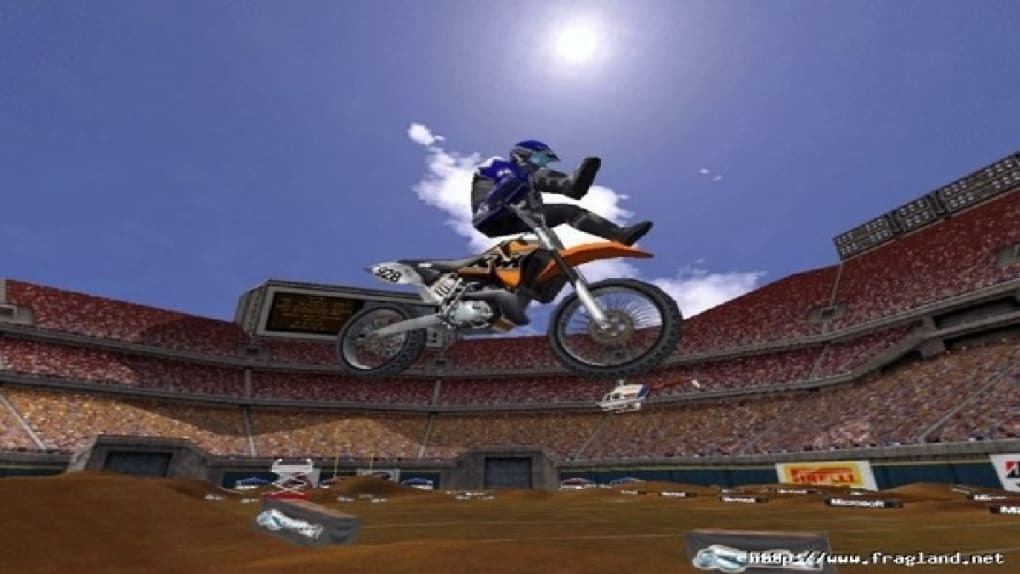
The brilliance of Motocross Madness 2 lies in its ability to dynamically integrate the much-loved racing mechanics from the first installment with innovative new game modes. This approach ensured that while the core experience remained familiar and satisfying, there was always something new to discover and conquer. The game’s control scheme, while offering a surprising degree of nuance for stunts and bike handling, was intuitive enough for casual players to pick up and enjoy immediately. Mastering the art of managing throttle, brake, and rider weight to navigate treacherous terrain and execute gravity-defying jumps became a rewarding pursuit, elevating the gameplay beyond simple acceleration and steering.
Dynamic Racing Mechanics and Controls
The foundation of Motocross Madness 2’s enduring appeal is undoubtedly its sophisticated yet accessible racing mechanics. Players aren’t just controlling a bike; they’re wrestling with it, feeling the weight distribution, the impact of landings, and the subtle shifts required to maintain traction on loose dirt. The physics engine, while perhaps not photo-realistic by today’s standards, was remarkably effective in conveying a sense of tangibility. Skids, wheelies, and endos were not just canned animations but rather emergent outcomes of player input and terrain interaction. This allowed for a wide range of expressive play, from precise cornering to audacious aerial maneuvers. The ability to perform various stunts mid-air, often essential for landing safely or gaining a speed boost, added an extra layer of skill and showmanship. This dynamic interplay between rider input, bike physics, and environmental response made every race feel alive and unpredictable, a constant dance between control and chaos that defined the game’s thrilling identity. The satisfaction of nailing a perfect jump, smoothly traversing a whoop section, or pulling off a dramatic overtake against a pack of AI opponents was, and still is, immensely gratifying.
The Introduction of Pro Circuit and Enduro Modes
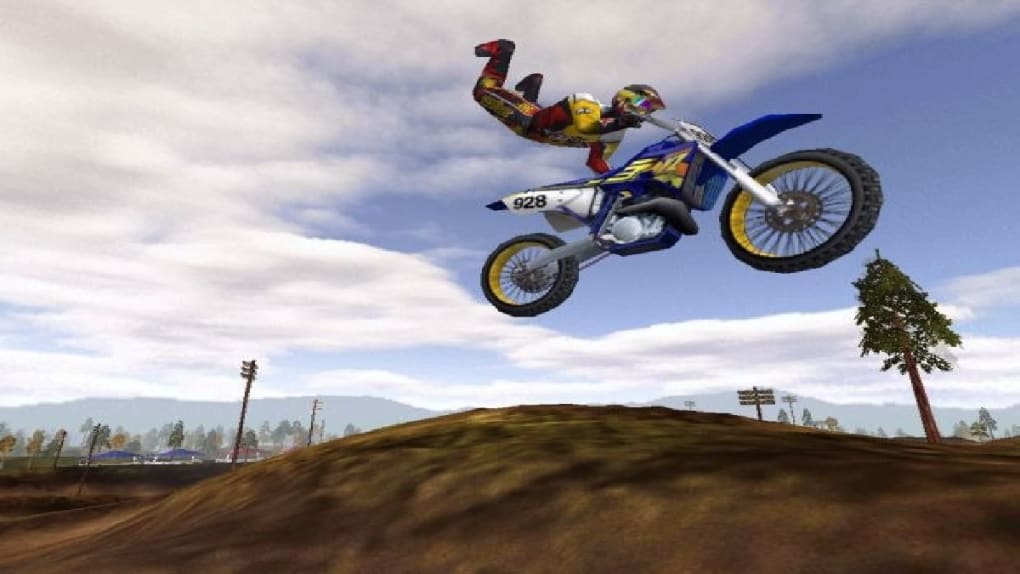
One of the most significant advancements in Motocross Madness 2 was the introduction of two captivating new game modes: Pro Circuit Racing and Enduro Racing. These additions dramatically expanded the scope of the game, moving beyond simple race tracks to offer diverse challenges and long-term progression.
The Pro Circuit Racing mode was designed to immerse players in a gripping single-player career experience. Here, players weren’t just participating in isolated events; they were competing against formidable AI opponents for titles, sponsorship dollars, and prize money across increasingly challenging event circuits. This mode introduced a sense of purpose and progression, mirroring the journey of a professional motocross rider. Starting from the bottom, players had to prove their skills, earn reputation, and strategically manage their finances to upgrade their bikes and advance through the ranks. Each circuit presented unique tracks and competitors, demanding adaptable strategies and persistent effort. The AI, while sometimes predictable, was often aggressive and challenging, providing a genuine sense of competition that pushed players to refine their skills. This career mode offered countless hours of gameplay, providing a structured path for players to experience the game’s depth and ultimately achieve virtual motocross superstardom.
The Enduro Racing mode, on the other hand, offered a radically different experience, focusing on point-to-point outdoor racing events set in vivid, interactive environments. Unlike the closed circuits of Pro Circuit, Enduro races embraced the game’s free-style navigation feature, presenting players with vast, sprawling landscapes to explore and traverse. These environments were not just backdrops; they were integral to the gameplay, filled with natural obstacles, hidden paths, and opportunities for strategic shortcuts. The goal was to navigate from one checkpoint to the next, often across challenging terrain that required careful planning and execution. This mode maximized the game’s open-world potential, allowing players to truly get lost in the beauty and brutality of off-road racing. It fostered a sense of exploration and adventure, distinguishing itself from the more traditional circuit-based racing and further solidifying Motocross Madness 2’s reputation for diverse and engaging content. The freedom to choose one’s own line, to discover the fastest route through a dense forest or over a rocky hillside, added a layer of strategic thinking that made Enduro races intensely rewarding.
Visuals, Environments, and the Craft of Customization
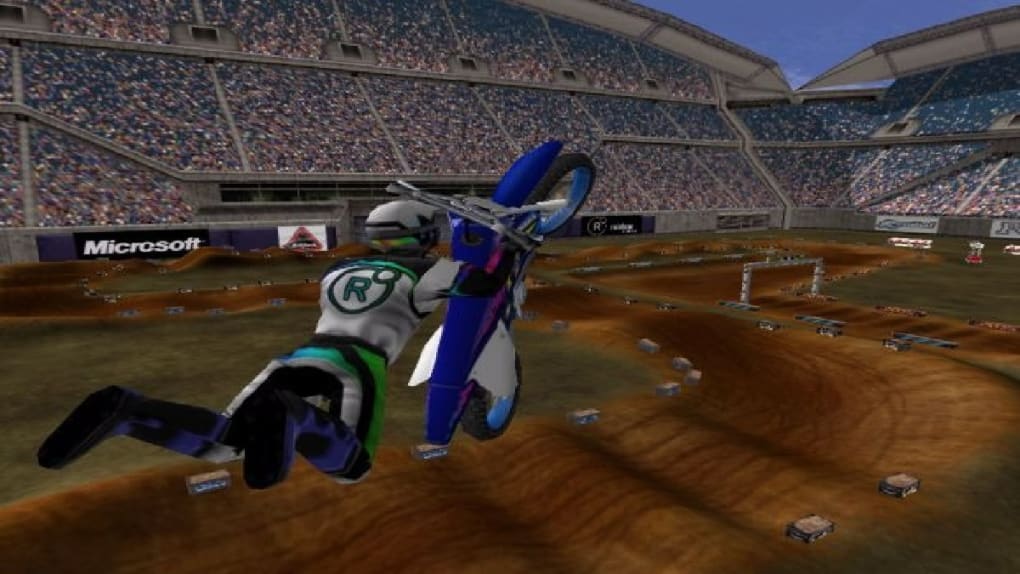
While the core gameplay mechanics provided the thrill, it was the ambitious presentation of Motocross Madness 2 that truly captivated players. The game showcased retro, PSX-style graphics that, for its time, were quite impressive, particularly in the sheer scale and interactive density of its outdoor terrains. However, looking back, these visuals have become a point of discussion, prompting both fond remembrance and critical observation.
The Ambitious Scale of Motocross Madness 2’s Worlds
Motocross Madness 2 was praised for its extensive and immersive environments. The game featured outdoor terrains several square miles in size, a significant achievement for its era. These expansive landscapes were not empty canvases; they were dynamically populated with up to 50,000 interactive 3D objects. This level of environmental detail contributed significantly to the game’s sense of realism and immersion. Players would race through forests with individually rendered trees, across deserts with undulating dunes, and through mountainous regions with treacherous cliffs and valleys. The interactive nature of these objects meant that they weren’t just static decorations; bushes would rustle, fences could be broken through (sometimes strategically), and certain objects could even affect the bike’s physics. This intricate world-building was a testament to the developers’ ambition and technical prowess, allowing for genuinely varied and engaging race experiences.
However, it’s worth noting that the graphics—while they looked to be an improvement from the first installment—are, by contemporary standards, quite outdated. On some devices, the visuals can appear somewhat grainy, which can also detract from the overall experience for modern players accustomed to high-definition textures and sophisticated lighting. Despite these limitations, which are understandable given the technological constraints of its release era, the sheer scale and object density contributed to an unparalleled sense of freedom and exploration, especially in the Enduro mode. For players experiencing the game at its launch, these environments were nothing short of breathtaking, offering a vast playground for off-road antics that few other games could match. The commitment to creating such expansive and detailed worlds, even with the technical compromises that come with retro graphics, speaks volumes about the game’s forward-thinking design.
Embracing Creativity: The 3D Terrain Editor and Rider Personalization
One of the standout features that significantly boosted Motocross Madness 2’s replayability and community engagement was its new 3D terrain editor. This downloadable tool empowered players to design their own tracks and environments, transforming them from mere consumers into creators. The ability to sculpt terrain, place interactive objects, and define race routes opened up a virtually limitless supply of new content, all driven by the creativity of the player base. The terrain editor was intuitive enough for casual users to experiment with, yet powerful enough for dedicated enthusiasts to craft intricate and challenging courses. This feature fostered a vibrant modding community, extending the game’s lifespan far beyond its official support cycle and ensuring that players always had fresh challenges to tackle. Websites and forums dedicated to sharing user-created tracks flourished, becoming hubs for passionate fans.
Furthermore, the game provided gamers with the flexibility to customize their bikes and rider skin templates. While not as extensive as modern customization suites, this feature allowed players to personalize their racing experience, creating something that felt completely their own. Changing paint schemes, adding decals, and altering rider apparel provided a tangible connection between the player and their in-game avatar. This level of personalization, combined with the track editor, made Motocross Madness 2 more than just a game; it was a platform for creative expression, inviting players to imprint their unique style onto every aspect of their off-road adventure. The freedom to design and customize contributed immensely to the overall immersive experience, cementing the game’s status as a comprehensive and interactive racing title.
Beyond the Finish Line: Legacy, Community, and Enduring Appeal
Motocross Madness 2 was, overall, a wild, engaging, and visually stunning ride that successfully built upon the foundations of the original. The new features, particularly the Pro Circuit Racing and Enduro Racing modes, added depth and breadth to the gameplay, ensuring that this sequel was bigger, better, and indeed, wilder. Despite some graphical issues that are now more pronounced with the passage of time, this racing game offered a thrilling off-road racing experience that was likely to enchant both series veterans and newcomers alike. Its impact resonated through the gaming community, carving out a significant niche that continues to be celebrated.
The Enduring Charm of a Retro Racing Experience
The enduring charm of Motocross Madness 2 stems from several factors. Firstly, its fundamental gameplay loop—the visceral thrill of hurtling over jumps, navigating challenging terrain, and outmaneuvering opponents—remains incredibly satisfying. The game’s physics, while not hyper-realistic, struck a perfect balance between simulation and arcade fun, making every moment behind the handlebars exciting. Secondly, the sheer variety offered by its game modes and environments ensured that boredom was rarely an issue. Whether tackling a structured career, exploring vast open landscapes, or racing against friends in multiplayer, there was always a fresh challenge.
The robust support for user-generated content through the 3D terrain editor played a pivotal role in its longevity. This democratized content creation, allowing the community to constantly inject new life into the game. Even today, online communities and retro gaming enthusiasts revisit Motocross Madness 2, sharing custom tracks and reliving the golden era of PC gaming. This dedication from its fanbase highlights not just the quality of the original game but also the foresight of its developers in providing tools that enabled such lasting engagement. The feeling of “getting rough” in its thrilling races, as described by PhanMemFree, is a sentiment that still resonates with those who have experienced the madness firsthand. It’s a game that provides a strong argument for the lasting power of good design and player agency over graphical fidelity alone.
Motocross Madness 2 in the Modern Gaming Landscape
In an era dominated by hyper-realistic graphics and sprawling open-world maps in games like Forza Horizon 5 or the intense narrative-driven experiences of Need for Speed, Motocross Madness 2 stands as a vibrant reminder of a different time. It serves as an excellent retro alternative, demonstrating that compelling gameplay and ingenious design can transcend technological limitations. While its PSX-style graphics might appear dated, they are also a part of its identity, a nostalgic aesthetic that evokes a specific period in gaming history. For many, the grainy visuals are not a flaw but a feature, adding to its classic appeal.
The game’s influence can still be seen in subsequent off-road racing titles, particularly in its emphasis on large, interactive environments and the integration of diverse gameplay modes. Its contribution to the genre was significant, proving that motorcycle racing could be both deeply strategic and wildly entertaining. For contemporary players seeking a break from the complexities and graphical demands of modern titles, Motocross Madness 2 offers a refreshing dip into simpler, yet profoundly engaging, gameplay. It’s a testament to the idea that a game’s soul lies not just in its visual splendor, but in the joy and challenge it delivers. Phanmemfree.org continues to list it, acknowledging its place in gaming history and its value to those who appreciate a classic.
In conclusion, Motocross Madness 2 remains a monumental achievement in racing game design. Its blend of innovative game modes, expansive interactive environments, and empowering customization tools created an experience that was both thrilling and deeply personal. Despite the inevitable march of technological progress making its graphics a relic of the past, the core gameplay, the sense of speed, the challenge of mastering its physics, and the sheer fun of flinging dirt across vast landscapes continue to captivate. It’s a game that proved a sequel could not only honor its predecessor but dramatically expand upon it, ensuring its legacy as a definitive off-road racing classic that is truly a treat for fans of the franchise and an engaging ride for anyone who dares to get rough.
File Information
- License: “Full”
- Version: “varies-with-device”
- Latest update: “October 31, 2023”
- Platform: “Windows”
- OS: “Windows 7”
- Language: “English”
- Downloads: “1.8K”