
Movie Label 2009 was a software application designed to help users organize and manage their extensive movie collections. In an era before comprehensive streaming services dominated home entertainment, many individuals amassed sizable libraries of DVDs and digitally-downloaded films. Movie Label 2009 aimed to provide a solution for cataloging this growing collection, offering features intended to streamline the process of data entry, searching, and reporting. This review examines the software’s functionality, strengths, weaknesses, and overall impact within the context of its release year.
Streamlining Movie Collection Management
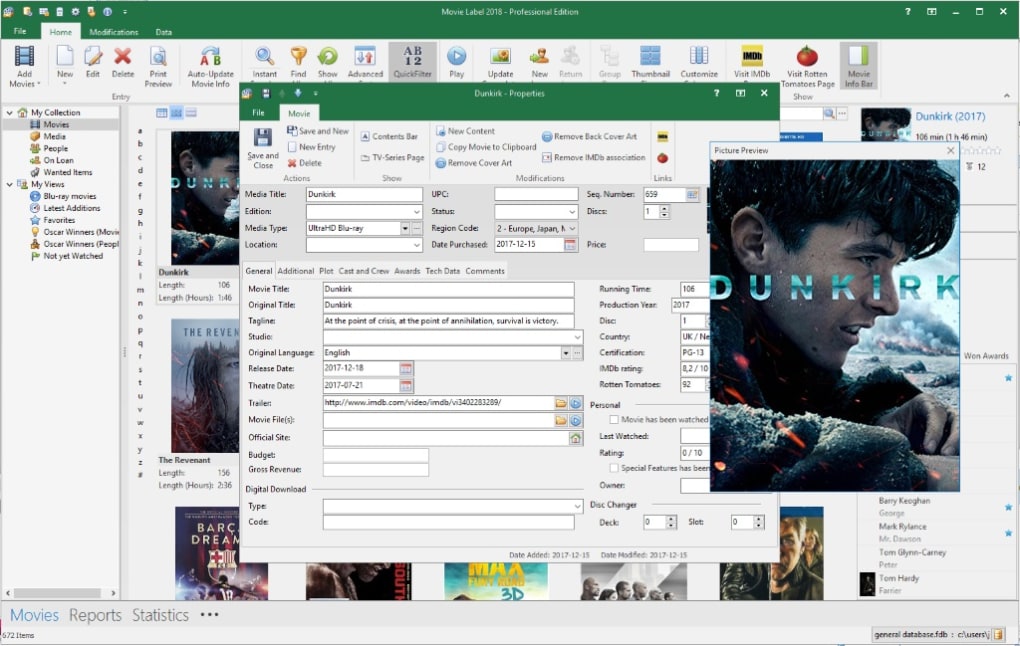
The core functionality of Movie Label 2009 revolved around its database-driven approach to movie cataloging. Unlike manually creating spreadsheets or relying on physical filing systems, the software aimed to automate many aspects of the process. A key feature was its “Movie Query” function. Users could input the title of a movie, and the software would attempt to automatically download relevant metadata from online sources. This included information such as actors, directors, release year, plot summaries, and even poster images. This automated data retrieval was a significant advantage, saving users considerable time and effort compared to manually entering details for each film.
The success of this automated data retrieval, however, was not always guaranteed. Reviews suggest that the software occasionally failed to recognize certain films, particularly those that were less mainstream or had less readily available online data. This limitation highlights a key challenge in relying on external data sources: the completeness and accuracy of available information varied considerably.
Searching and Sorting Your Cinematic Treasures
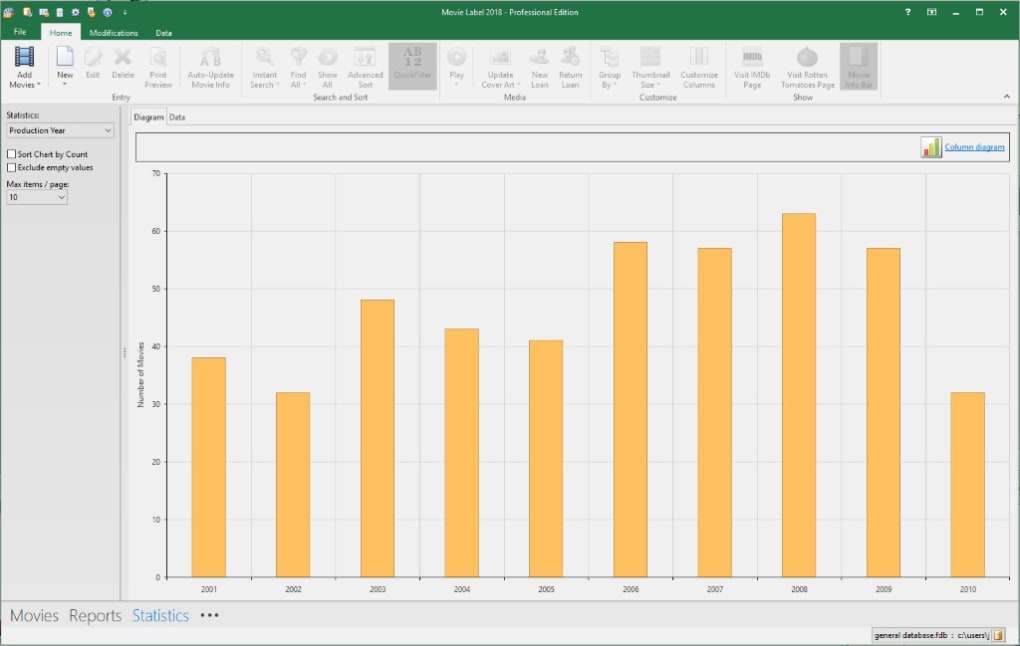
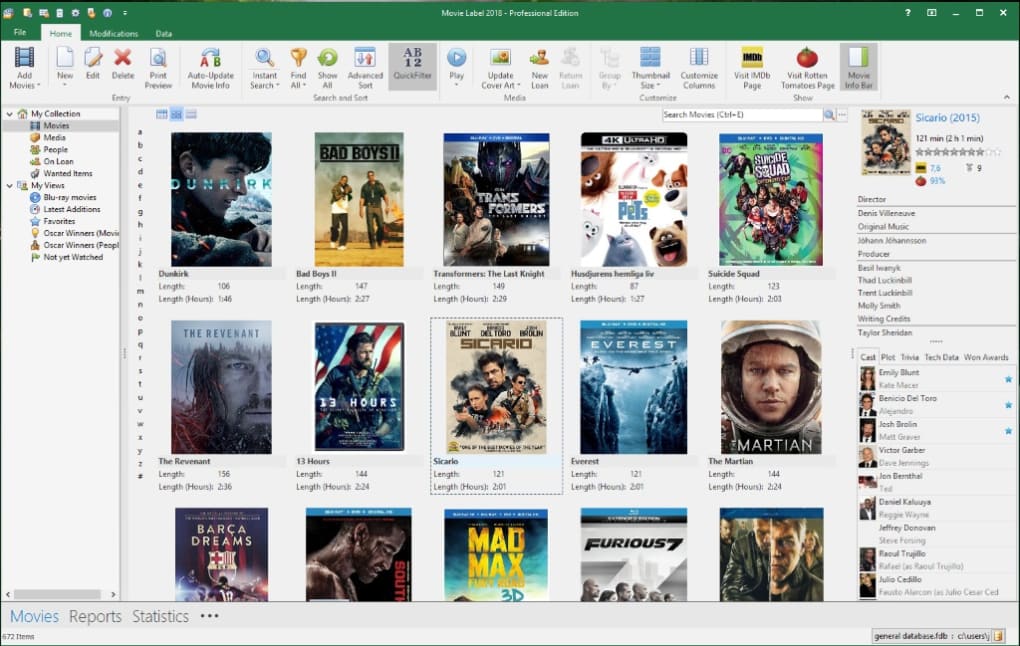
Beyond data entry, Movie Label 2009 provided robust search and sorting capabilities. Users could easily browse their collection, filtering and organizing films based on various criteria. This included sorting by title, actor names, director, genre, release year, and other relevant fields. This flexibility was a significant asset, allowing users to quickly locate specific movies or explore their collections based on personal preferences. The ability to sort by theme, for example, facilitated the creation of custom categories based on favorite actors, directors, or even personal viewing preferences. This granular level of organization enhanced the usability of the software, turning a simple catalog into a dynamic and personalized viewing guide.
Exporting and Sharing Your Collection
Movie Label 2009 also featured various export options, allowing users to share their movie databases in multiple formats. The inclusion of XML, HTML, Excel, and text file exports provided considerable versatility. This feature was crucial for users who wanted to back up their data, share their collections with friends, or integrate their catalog with other applications or software. The flexibility of the export options underscored the software’s intention to not only manage a collection but also provide convenient methods for sharing and archiving that information. This foresight was a valuable asset in an era where data sharing and backup strategies were gaining importance.
Strengths and Weaknesses of Movie Label 2009
The strengths of Movie Label 2009 lay primarily in its user-friendly interface and automated data retrieval capabilities. The software aimed to make the process of cataloging a potentially tedious task significantly easier. Its intuitive design and simple workflows were praised by many users. The automated download of movie data was particularly efficient, reducing manual input to a minimum for the vast majority of films. The flexible search and sorting features also made navigating and exploring large collections straightforward. Finally, the varied export options provided considerable versatility for data backup and sharing.
However, the software’s reliance on online data sources for metadata retrieval also presented limitations. The inconsistent success rate of the automated data retrieval process was a notable drawback. The software’s occasional failure to identify less mainstream or obscure films necessitated manual data input, negating some of its advertised convenience. Furthermore, user reviews suggest that the software’s pricing might have been considered high for some users, particularly given the occasional need for manual data entry.
Movie Label 2009 in the Broader Context
Movie Label 2009 was released in a time when digital media management was evolving rapidly. While streaming services were gaining traction, physical media still held significant relevance for many movie enthusiasts. The software addressed a clear need for a dedicated tool to manage the growing number of films held in personal collections. Its strengths lay in its streamlined approach to data entry and its flexible search and sorting capabilities. However, the inconsistencies in its automated data retrieval and the pricing concerns represent areas where the software could have been improved. Nevertheless, for those who valued a dedicated and well-organized method for managing their movie collection, Movie Label 2009 provided a viable solution during its time.
Comparison with Alternative Software
Compared to contemporary alternatives, Movie Label 2009 occupied a specific niche. While other software offered similar functionality, Movie Label 2009’s focus on automated data retrieval, its user-friendly interface, and its flexible export options represented key differentiators. However, competing software may have addressed some of Movie Label 2009’s shortcomings, such as the limitations in data retrieval accuracy or offering more comprehensive metadata fields. The availability of free and open-source alternatives, or those with more competitive pricing structures, may have also influenced user choices. Ultimately, the best choice for a user would have depended on their specific needs, budget, and technical proficiency.
Conclusion
Movie Label 2009 presented a viable solution for managing large movie collections in 2009. Its focus on automation, user-friendly design, and versatile export options offered tangible benefits for users. However, the limitations in its automated data retrieval and potential pricing concerns warrant consideration. While it may be obsolete by today’s standards due to the prevalence of streaming services and the evolution of digital media management practices, Movie Label 2009 serves as a historical example of the software solutions designed to address the organizational challenges of a largely physical media landscape. It reflected the growing need for effective tools to manage digital assets at a pivotal point in the transition from physical media to the digital age.
File Information
- License: “Trial version”
- Latest update: “May 23, 2023”
- Platform: “Windows”
- OS: “Windows ME”
- Language: “English”
- Downloads: “5.1K”
- Size: “23.89 MB”


