
Mozilla Sunbird, a calendar application developed by the creators of the renowned Firefox web browser, held a unique place in the digital landscape. While ultimately discontinued, it offered a compelling alternative for users seeking a simple, efficient, and customizable calendar experience. This article delves into the history, features, strengths, weaknesses, and legacy of Mozilla Sunbird, providing a comprehensive overview for those familiar with the application and those encountering it for the first time.
Sunbird’s Genesis and Design Philosophy
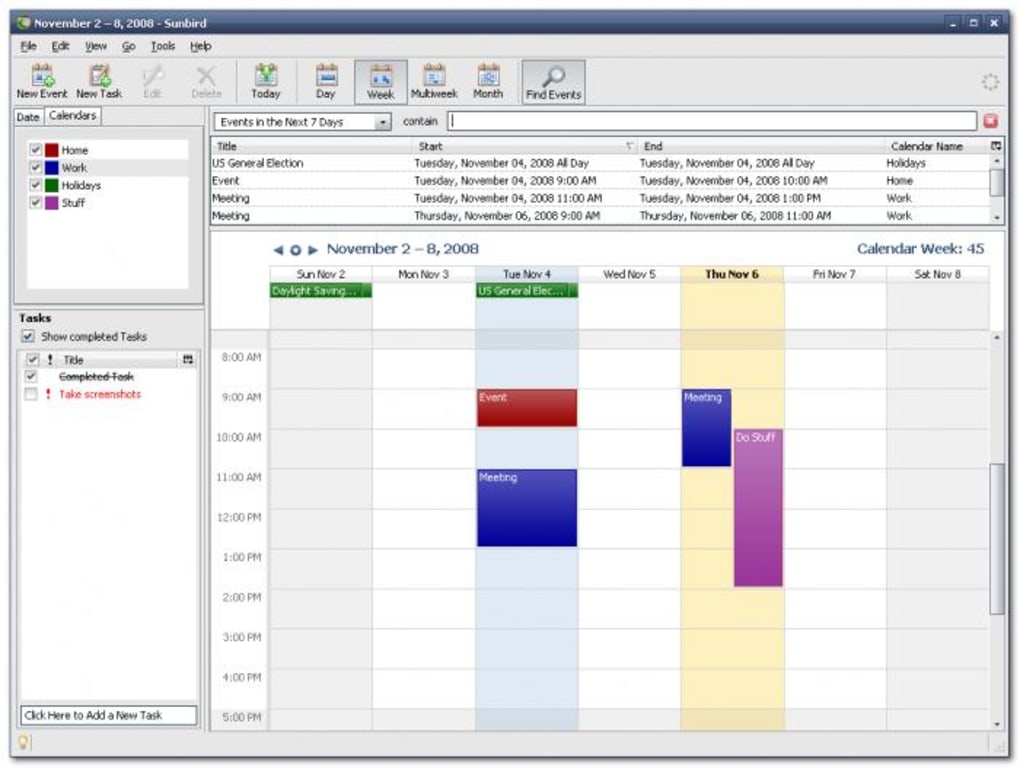
Sunbird emerged from Mozilla’s commitment to building a comprehensive suite of internet-based productivity tools. Leveraging Mozilla’s XUL (XML User Interface Language), the application aimed to provide a user-friendly and extensible calendar solution. Unlike many commercial calendar applications, Sunbird prioritized simplicity and ease of use, focusing on core calendaring functions without overwhelming users with complex features. This minimalist approach attracted users who valued a clean interface and straightforward functionality over extensive bells and whistles. The addition of a powerful keyword search further enhanced its usability, allowing users to quickly locate specific events within their calendars. Sunbird’s design philosophy emphasized user control and customization, offering a selection of add-ons that allowed users to tailor the application to their specific needs.
Key Features and Functionality
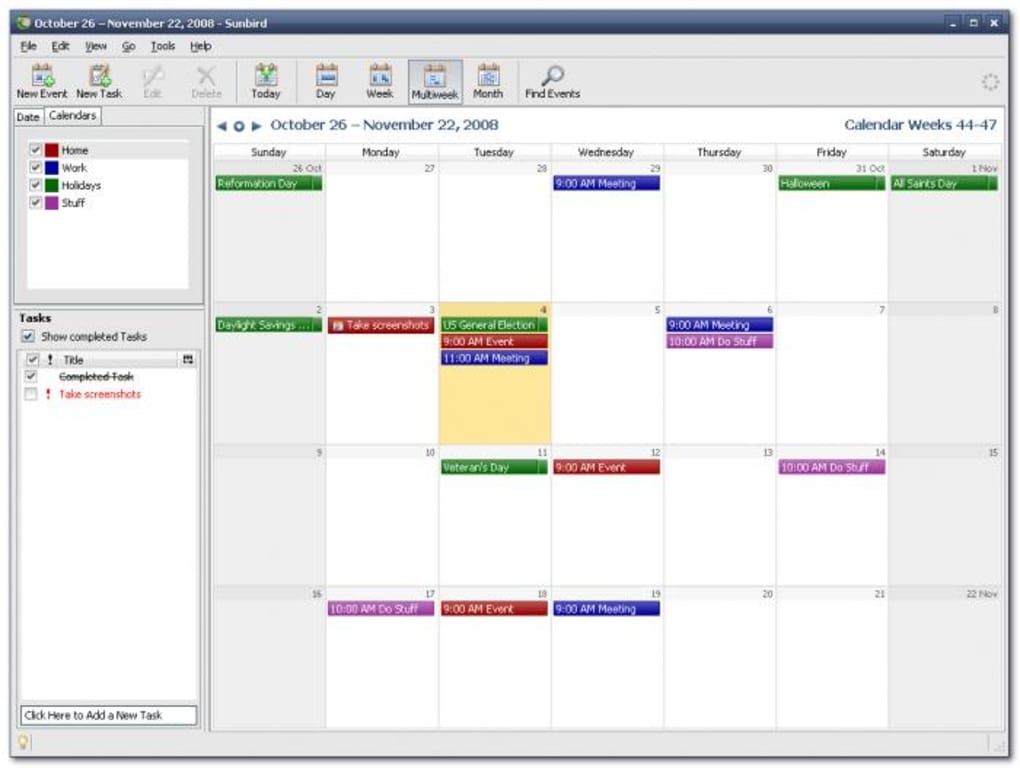
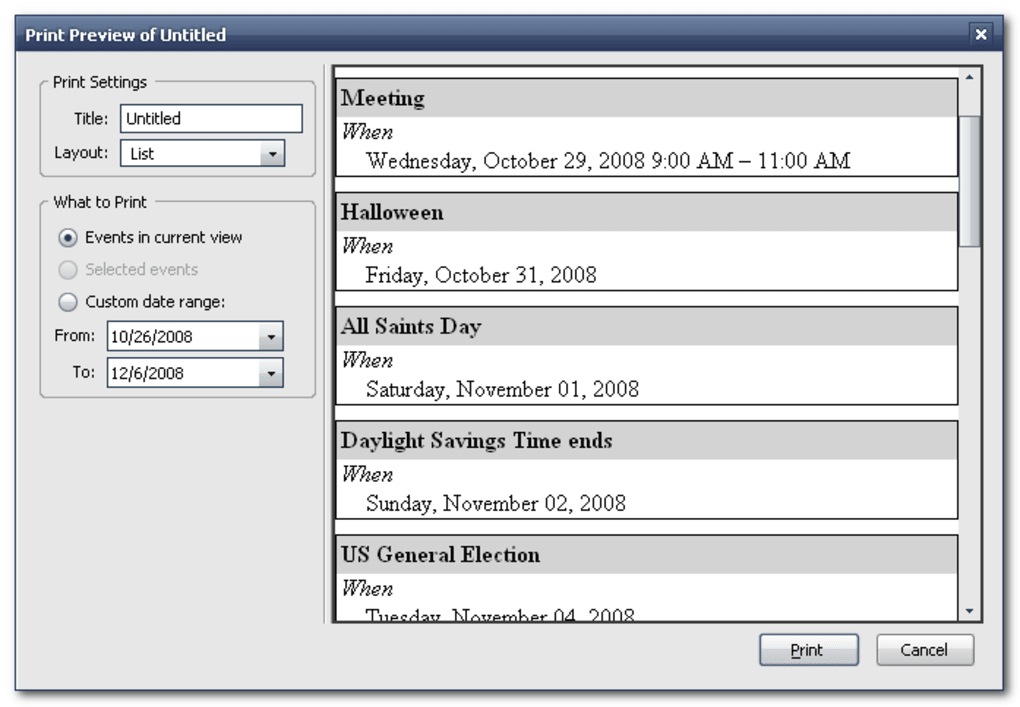
Sunbird’s core functionality revolved around event management. Adding events was straightforward, accomplished via a prominent “Add Event” button. The intuitive interface made scheduling appointments, setting reminders, and managing daily tasks relatively effortless. Its strength lay in its simplicity; managing multiple calendars or complex scheduling scenarios was less cumbersome than in many competing applications. While it lacked the deep integration with services like iCal or Google Calendar that many users expected, it did offer export functionality, allowing users to transfer their calendar data to other platforms. This feature proved valuable for users needing to share their schedules or migrate to alternative solutions. Security was also a key consideration, as Sunbird allowed users to protect their calendar data with passwords, adding a layer of protection to sensitive information.
Beyond its core calendaring features, Sunbird benefited from its extensibility. Mozilla provided a platform for developers to create and distribute add-ons that enhanced Sunbird’s functionality. This approach allowed users to customize their experience by adding features tailored to their specific needs, mirroring the success of Firefox’s extensive add-on ecosystem. Unfortunately, the discontinuation of Sunbird significantly impacted this ecosystem, limiting the availability and support of these previously useful extensions.
Sunbird’s Strengths: Simplicity and Extensibility
One of Sunbird’s most significant strengths was its clean and intuitive interface. The design prioritized simplicity and ease of use, making it accessible to users of all technical skill levels. The minimalist approach prevented feature bloat, ensuring a smooth and efficient user experience. The straightforward event creation process, combined with the powerful keyword search, made managing appointments and tasks remarkably efficient. The application’s ability to be customized through add-ons allowed users to personalize their experience and tailor Sunbird to their specific requirements. This aspect added significant value for users with particular workflow needs or preferences. For users already invested in the Mozilla ecosystem – using Firefox and Thunderbird – Sunbird seamlessly integrated, creating a cohesive digital workspace.
Sunbird’s Weaknesses: Lack of Integration and Limited Updates
Despite its strengths, Sunbird suffered from some significant drawbacks. The most prominent was its lack of integration with popular calendar services such as iCal and Google Calendar. This omission proved frustrating for users relying on these services for scheduling and collaboration. While the ability to export calendar data provided a workaround, it lacked the seamless integration offered by competing applications. The infrequency of updates was another significant weakness. The application seemed to be placed on the back burner by Mozilla, resulting in a lack of feature enhancements, bug fixes, and security updates. This lack of attention hindered the application’s long-term viability and ultimately contributed to its demise. The reliance on Mozilla’s XUL, while contributing to its unique design, also became a limiting factor, making updates and cross-platform compatibility more challenging.
Sunbird’s Legacy and Impact
Although Mozilla Sunbird is no longer actively supported, it holds a place in the history of calendar applications. Its commitment to simplicity, customization, and user control resonated with a segment of the user base. The design philosophy that favored a clean interface and intuitive functionality foreshadowed trends in software design that emphasize ease of use and minimalist aesthetics. The experience of Sunbird also highlighted the importance of continuous updates and active community support for the long-term success of software projects. The lack of integration with popular services served as a valuable lesson for developers on the importance of interoperability in today’s interconnected digital world.
Comparison with Contemporary Calendar Applications
Compared to contemporary calendar applications like Google Calendar, Outlook Calendar, or Apple Calendar, Sunbird’s feature set was relatively limited. The lack of robust online synchronization, real-time collaboration features, and integration with other productivity tools put it at a disadvantage. While its simplicity was a strength for some, it was a limitation for others needing advanced features and extensive integration. Sunbird’s emphasis on desktop functionality, without a strong web or mobile presence, further limited its appeal in an increasingly mobile-centric world. The platform’s reliance on XUL also proved to be a disadvantage, as it lacked the widespread adoption and developer support of more common frameworks.
The Decline and Discontinuation of Sunbird
Several factors contributed to the eventual decline and discontinuation of Mozilla Sunbird. The lack of frequent updates, coupled with the absence of integration with major calendar services, made it less attractive to users accustomed to the seamless integration offered by competitors. The limited resources allocated to the project by Mozilla also played a significant role in its decline. As Mozilla focused its efforts on other projects, Sunbird received less attention and support, hindering its development and ultimately leading to its abandonment. The shift towards cloud-based services and the increasing popularity of mobile calendaring applications also contributed to Sunbird’s decline. Its desktop-focused approach failed to keep pace with the evolving user landscape.
Lessons Learned from Sunbird’s Fate
The story of Mozilla Sunbird offers valuable lessons for software development. The importance of consistent updates, community engagement, and integration with popular services cannot be overstated. Even a well-designed application with a clean interface can fail if it lacks these critical elements. The experience of Sunbird underscores the need for developers to continuously assess user needs, adapt to changing market trends, and allocate sufficient resources to ensure the long-term success and sustainability of their projects. The absence of ongoing support, even for a well-regarded application, can have significant negative consequences.
Conclusion
Mozilla Sunbird, despite its eventual discontinuation, provided a valuable contribution to the landscape of calendar applications. Its unique design philosophy, coupled with its extensibility through add-ons, offered a compelling alternative to more feature-rich commercial applications. However, its limitations concerning integration with popular services and the lack of regular updates ultimately hindered its ability to compete in the dynamic world of software development. Its legacy serves as a reminder of the importance of continuous evolution, community support, and the need for software to adapt to the ever-changing needs of users and the broader technological landscape. The experience of Sunbird serves as a cautionary tale for developers, emphasizing the importance of adaptability, integration, and consistent support for the long-term viability of any software project.
File Information
- License: “Free”
- Latest update: “October 11, 2011”
- Platform: “Windows”
- OS: “Windows 2003”
- Language: “English”
- Downloads: “35.2K”
- Size: “6.88 MB”


