
MP3 Rocket was a peer-to-peer (P2P) file-sharing program that gained popularity for its ability to download music, videos, and other digital content. While no longer available for download due to factors including potential security concerns and the program’s discontinuation, its legacy as a prominent player in the early days of P2P file sharing is worth examining. This article delves into the features, functionality, and overall impact of MP3 Rocket, exploring its strengths and weaknesses in the context of its time and the evolution of digital content distribution.
MP3 Rocket’s Functionality and Interface
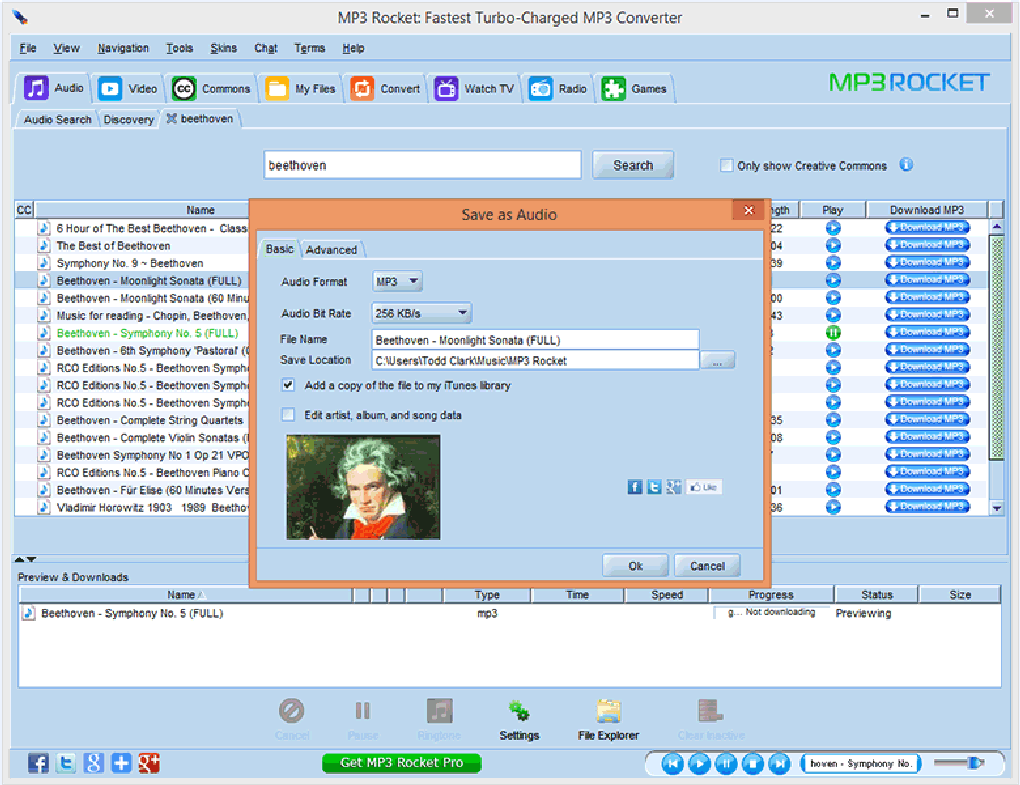
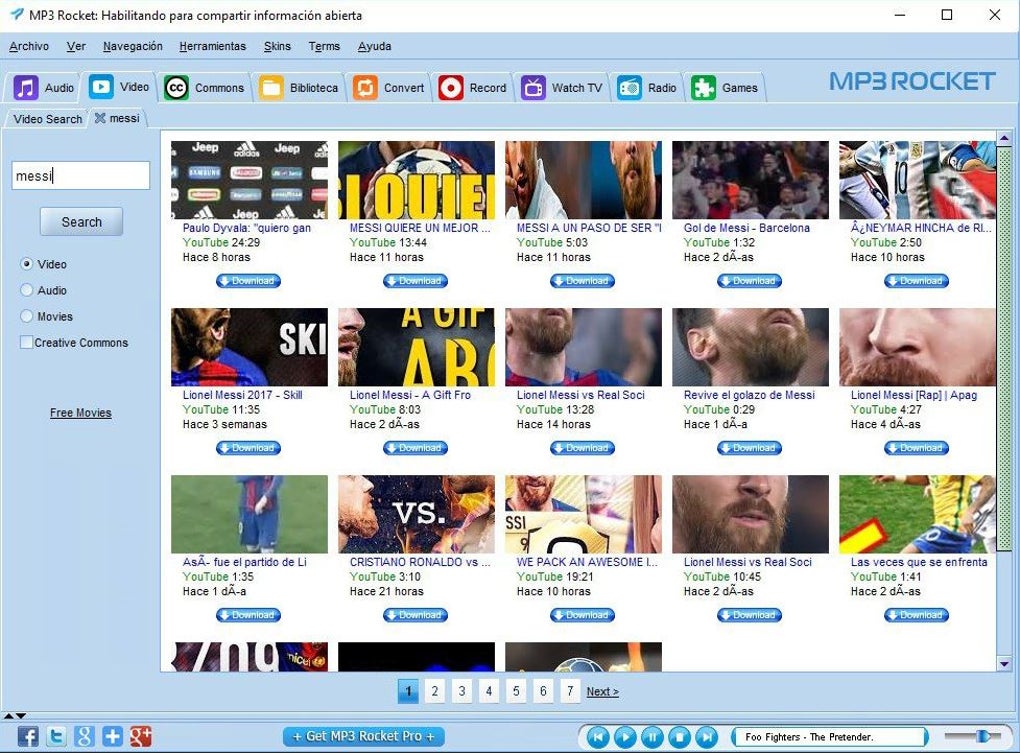
MP3 Rocket operated on the Gnutella and BitTorrent networks, two popular P2P protocols that enabled users to share files directly with each other. This decentralized approach contrasted sharply with centralized services and offered users a relatively open environment for accessing digital content. The software was designed to be user-friendly, employing a tabbed interface that simplified navigation. Users could easily access a search engine, browse popular files and torrents, manage their personal library of shared files, and even access online TV, radio, games, and chat functionalities – all within the same application. This integrated approach aimed to provide a one-stop shop for digital entertainment.
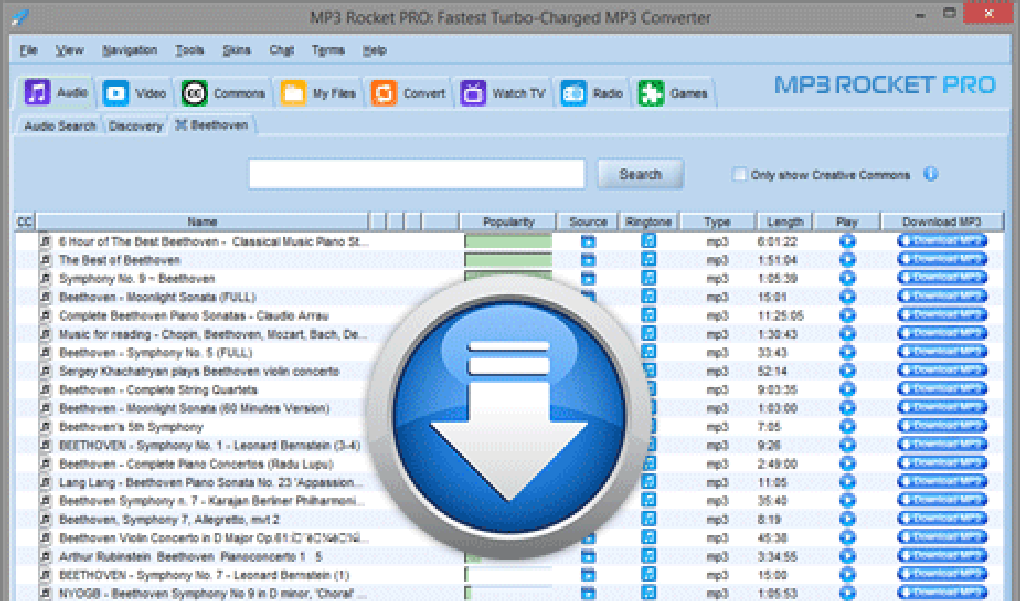
The program also included a built-in audio and video player. While functional, this player wasn’t particularly advanced or notable compared to dedicated media players available at the time. Its primary function was to enable quick playback of downloaded files within the MP3 Rocket environment. The software’s core strength wasn’t its media player, but rather its efficient P2P file sharing capabilities.
A key feature was its ability to convert video files to MP3 format. This allowed users to extract audio from videos and create custom ringtones, a popular function among users at the time. The Pro version of MP3 Rocket offered improved features, such as higher-quality downloads (320kbps for audio and 1080p for video), providing a better user experience for those willing to pay for premium access. However, the free version still offered a significant amount of functionality that catered to the needs of a large user base.
Similarities to Other P2P Clients
MP3 Rocket’s functionality and interface shared strong similarities with other popular P2P clients of the era, most notably FrostWire and the now-defunct LimeWire. Users familiar with these programs would have found MP3 Rocket easy to adapt to, due to its similar functionality and intuitive interface. This built-in familiarity, along with its ease of use, contributed to its widespread adoption. The program’s simple design made it accessible to users with varying levels of technical expertise, further contributing to its success.
The commonality with LimeWire and FrostWire, however, also meant that MP3 Rocket inherited some of the challenges inherent in these platforms. This included an issue with search results accuracy, which at times yielded inaccurate or irrelevant results, requiring users to refine their search criteria carefully to find the desired content.
Content Acquisition and Copyright Concerns
MP3 Rocket’s popularity arose from its ability to provide users with access to a vast library of digital content, including music, movies, and videos. This accessibility, however, came with significant copyright implications. While the platform itself didn’t directly host copyrighted material, its P2P architecture facilitated the sharing of files that may have infringed on copyright laws. Users downloading copyrighted content without proper authorization were violating these laws, and MP3 Rocket, like many P2P programs, faced criticism for its potential role in facilitating copyright infringement.
The software presented a blurry line between legitimate file sharing and illegal downloading. Although users could find and download various content, the responsibility for respecting copyright laws rested squarely on the individual user. The program’s suggestions often directed users towards pay-access websites, raising questions about the platform’s approach to content legality and its potential role in circumventing copyright protection.
MP3 Rocket’s Decline and Discontinuation
Despite its initial popularity, MP3 Rocket faced challenges that ultimately led to its demise. Reports of instability and unreliability became increasingly common, affecting the user experience and contributing to a decline in its user base. The program’s reliance on Java technology also meant that it struggled to run efficiently on older computers, limiting its accessibility to a subset of users.
The increasing prevalence of streaming services and legal digital music stores further contributed to MP3 Rocket’s decline. The convenience and legality of streaming platforms offered users a more straightforward and less risky alternative to P2P file sharing. Furthermore, enhanced copyright protection measures and stricter legal enforcement made it increasingly difficult for P2P platforms to operate without facing legal challenges.
The software’s ultimate discontinuation likely resulted from a combination of factors including legal pressures, security vulnerabilities, declining user base, and an inability to compete effectively in the changing landscape of digital content consumption. The lack of an official successor or updated version underscores the program’s complete withdrawal from the market.
Alternatives and the Evolution of File Sharing
The disappearance of MP3 Rocket from the market left a void filled by other file-sharing solutions. Various alternatives, including other P2P clients like uTorrent, BitTorrent, FrostWire, and newer platforms specializing in legal and safe content distribution, have emerged to cater to the evolving demands of users seeking to share and consume digital content.
The move away from P2P file sharing towards streaming services and regulated digital stores reflects a significant shift in the way consumers access and consume digital media. This transition highlighted the need for legal and accessible solutions while also raising important questions about the balance between user freedom and copyright protection.
Conclusion
MP3 Rocket holds a notable position in the history of peer-to-peer file-sharing. Its user-friendly interface and integrated functionalities made it a popular choice among users seeking a straightforward way to access various digital content. However, its reliance on P2P technology and the inherent challenges of copyright enforcement ultimately contributed to its decline and discontinuation. The program’s legacy serves as a reminder of the evolution of digital media consumption and the ongoing tension between user access and copyright protection. The emergence of legal streaming services and improved copyright protections illustrate a shift in the landscape of digital content distribution, highlighting a movement towards regulated and legally sound methods of accessing digital media. While MP3 Rocket’s direct influence may have ended, its story remains a significant piece of the larger narrative of P2P file-sharing’s impact on the digital landscape.
File Information
- License: “Free”
- Latest update: “July 10, 2023”
- Platform: “Windows”
- OS: “Windows 8.1”
- Language: “English”
- Downloads: “2.2M”
- Size: “1.12 MB”


