
MP3homie, while not directly referenced in the provided text, likely refers to a now-defunct or outdated MP3 downloader application similar to the one described, “MP3 Downloader,” featured in the Phanmemfree review. This analysis will explore the functionalities, strengths, and limitations of such a program based on the provided information, offering insights into its historical context and relevance in the modern digital music landscape. The review highlights a tool that offered access to a vast music library, spanning several decades, but with significant limitations in terms of its outdated nature and reliance on potentially unreliable sources.
The Allure of a Vast, Yet Problematic, Music Library
The core selling point of MP3 Downloader, and likely the appeal of any similarly named program such as “mp3homie,” was its access to a comprehensive online music library. The described application boasted a collection ranging from the 1950s to 2012. This wide timeframe immediately distinguishes it from modern music streaming services, suggesting a focus on archival material that might be difficult to find elsewhere. The library’s structure, however, is crucial to understanding its limitations. Instead of hosting the music files directly, the program acted as an aggregator, linking to various online databases. This approach had both advantages and disadvantages.
On the plus side, it reduced the storage burden on the application itself. The developers weren’t responsible for hosting terabytes of music data. Users could access a vast catalog without the developers needing significant server infrastructure. However, this reliance on external databases proved to be a significant weakness. The stability and longevity of these linked databases were not guaranteed. The review notes that many links were broken due to a lack of updates, highlighting the inherent fragility of this method. This also introduced questions about copyright and legality, as the databases likely contained a mix of copyrighted and copyright-free music. The review subtly acknowledges this, highlighting the potential for illegal access to copyrighted material.
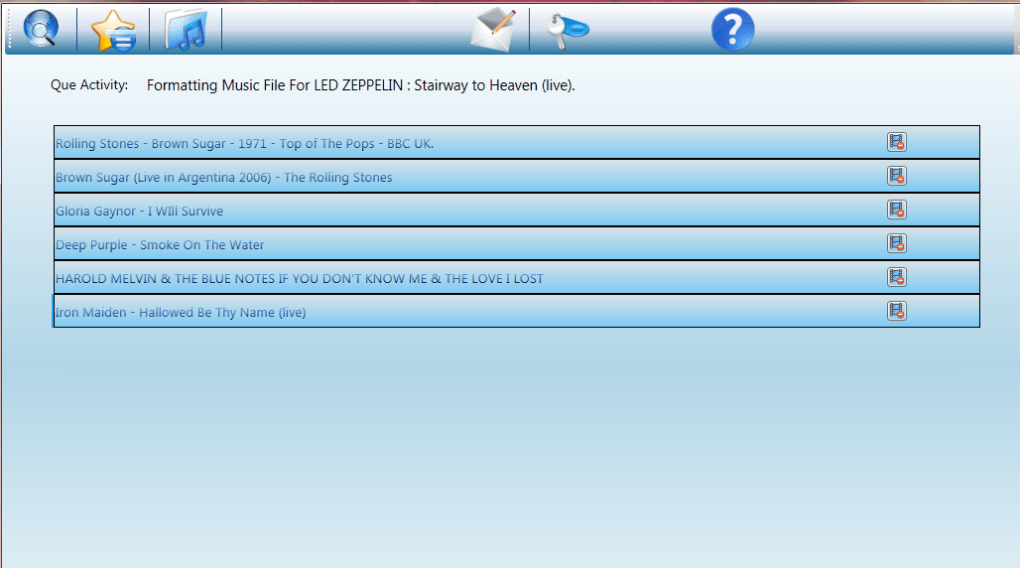
The fact that the software hasn’t been updated since 2012 is a critical point. The digital landscape changes rapidly. Websites and servers go offline, URLs change, and online music services evolve constantly. An application failing to keep pace is destined for obsolescence. This lack of maintenance contributes significantly to the broken links and overall functionality issues.
User Experience and Interface Design
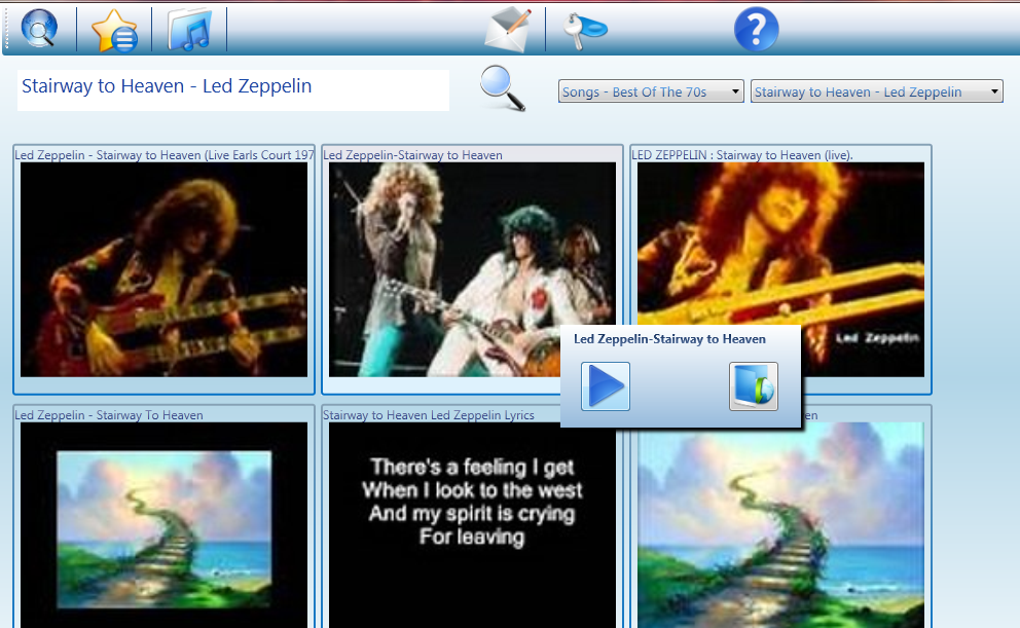
Despite its age, the MP3 Downloader is described as having a straightforward user interface. For those comfortable with basic search functions, navigating the application would have been intuitive. The review points out that while initially appearing simple, the interface became populated with images and track details as users searched, enhancing the visual experience. The inclusion of thumbnail images, alongside audio previews, was a significant improvement, allowing users to identify tracks before downloading. This is a considerable advantage, considering the potential for encountering low-quality or unwanted recordings.
The availability of YouTube tutorials further enhanced usability. For those encountering issues, readily accessible video guides would have minimized the learning curve. This suggests an effort by the developers to provide support, although the lack of updates contradicts this commitment in the long run.
Technical Aspects and Development
The review mentions that MP3 Downloader used “cutting-edge technology” at the time of its release, and that professional programmers were involved in its creation. While this claim is difficult to verify without access to the source code, it suggests a level of sophistication in its design and functionality compared to other rudimentary downloaders. The inclusion of a contact system for user support demonstrates a commitment to addressing customer issues, though the subsequent lack of updates again calls into question the long-term commitment of the developers.
However, the fact remains that “cutting-edge” in 2012 is significantly outdated in 2024. Technological advancements in audio compression, streaming technologies, and digital rights management have rendered many aspects of the software obsolete.
Comparing MP3 Downloader to Modern Alternatives
Compared to modern music streaming services like Spotify, Apple Music, or YouTube Music, MP3 Downloader offers a stark contrast. Modern services provide legally licensed music, high-quality audio streams, sophisticated search and recommendation algorithms, and consistent updates. The curated nature of their libraries ensures ease of access and reliability. In contrast, MP3 Downloader, and likely similar programs, offered a potentially risky and unstable method of accessing music, albeit with a wider selection of older content. This reliance on potentially illegal sources and broken links is a critical difference.
The availability of modern, legitimate alternatives renders programs like MP3 Downloader largely unnecessary. The convenience and legal compliance of mainstream streaming services outweigh the potential benefits of a less reliable and potentially illegal option.
Legal and Ethical Considerations
The legal implications of using MP3 Downloader, and similar applications, are significant. The review hints at the presence of copyrighted material in the accessible databases. Downloading copyrighted music without proper authorization is a violation of copyright law, with potential legal consequences for users. The developers’ lack of control over the content within the linked databases complicates the issue further. The review subtly acknowledges this ethical gray area. It does not condone illegal activity, adding a crucial disclaimer about the legal variations surrounding software use in different countries. This disclaimer emphasizes the user’s responsibility in ensuring compliance with relevant laws and regulations.
Conclusion: A Relic of the Past
MP3 Downloader, and similar software like a hypothetical “mp3homie,” represent a snapshot of a bygone era in digital music consumption. While offering access to a vast and historical music collection, its limitations—particularly the outdated nature, reliance on unreliable sources, and potential legal issues—render it obsolete and impractical by modern standards. The rise of legally compliant and user-friendly music streaming services has made such applications largely unnecessary and potentially risky. While the attempt to provide a vast archive of music was ambitious, the failure to adapt to the ever-changing digital landscape ultimately doomed the application to obsolescence. The lack of updates, the broken links, and the questionable legality of much of the accessible content all contribute to its irrelevance in the contemporary music scene.
File Information
- License: “Trial version”
- Version: “1”
- Latest update: “July 24, 2020”
- Platform: “Windows”
- OS: “Windows 2003”
- Language: “English”
- Downloads: “159.7K”
- Size: “10.79 MB”


