
MP3Skull was a popular web application that served as a search engine for MP3 files. It allowed users to search for and download music files from various online sources, offering a seemingly convenient way to access a vast library of songs for free. While the application is no longer available for download, understanding its functionality and the landscape it operated in provides valuable insight into the evolution of online music access and the complexities surrounding copyright and digital distribution. This article will explore the features, implications, and alternatives to MP3Skull.
The Functionality of MP3Skull: A User-Friendly Approach to Music Acquisition
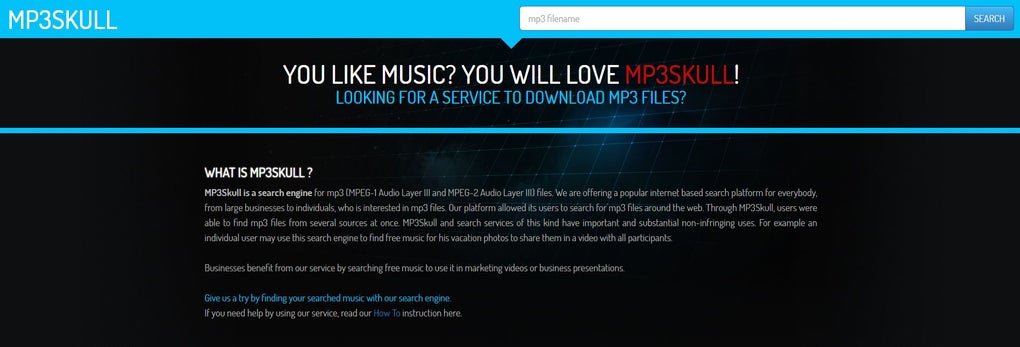
MP3Skull’s primary function was simplifying the process of acquiring music files. In a time before widespread streaming services offered extensive music libraries at affordable prices, MP3Skull provided a seemingly easy solution for individuals seeking free access to popular songs. The application operated as a search engine, indexing and providing links to MP3 files located on various other websites, including YouTube, 4Shared, and Deezer. This made it a relatively straightforward process for users to find and download their desired tracks.
The user experience was intentionally simplified. Users needed only to input the title of a song or relevant keywords into the search bar. The application then presented a list of potential download links, allowing users to select their preferred version of the song. Once selected, the download process was initiated, usually completing within a few seconds. This speed and ease of use were key factors in MP3Skull’s appeal.
The conversion process itself leveraged two primary methods. For files hosted on 4Shared, the application likely utilized direct download capabilities. For YouTube videos, MP3Skull likely relied on third-party conversion services – external websites or programs designed to extract audio from video files. This reliance on third-party services highlights a crucial aspect of the application’s operation – it did not directly host or store the music files itself, instead acting as a directory and facilitating access to files already available online.
MP3Skull’s Legal and Ethical Implications: A Tightrope Walk Between Accessibility and Copyright
MP3Skull operated in a legally gray area. While it claimed to only index copyright-free and legal media content and to comply with the Digital Millennium Copyright Act (DMCA), the reality was far more nuanced. The application’s core functionality depended on the availability of copyrighted material uploaded without permission by others. This reliance on potentially infringing content inherent within its operation presented a significant legal risk.
MP3Skull’s disclaimer that downloaded music was for private use only, and not for commercial redistribution, was crucial. Sharing or reselling downloaded files would represent a clear violation of copyright law, regardless of the application’s claims of legality. The platform, therefore, existed in a precarious position, balancing the benefits of accessibility against the considerable legal liabilities associated with facilitating the distribution of copyrighted material.
The application’s removal highlights the inherent tension between the accessibility of online content and the protection of intellectual property rights. While MP3Skull may have offered convenient access to music, this access came at the cost of potentially violating copyright laws, a crucial point for users to consider.
MP3Skull’s Strengths and Weaknesses: Weighing the Pros and Cons

Despite its legal ambiguities, MP3Skull had several compelling features for users. Its ease of use, the speed of the download process, and its ability to access music from diverse sources were significant advantages.
Pros:
- Ease of use: The simple search interface and straightforward download process made the application remarkably accessible to a wide range of users, regardless of their technical expertise.
- Accessibility of music: It provided access to a vast library of music that might not have been readily available through other legitimate means, particularly for users without access to paid streaming services or physical media.
- Support for multiple sources: Its ability to draw from sources like YouTube, 4Shared, and Deezer broadened its reach and the diversity of music available.
Cons:
- Legal ambiguities: Its reliance on potentially copyrighted content led to uncertainty regarding its legality and the potential for legal repercussions for users.
- Variable quality: The quality of downloaded music often varied depending on the source and conversion process. Users were unlikely to receive consistently high-quality audio files.
- Link breakage: Download links provided by MP3Skull could be disabled by the original content owners at any time, leading to broken links and frustrating user experiences.
- Ethical concerns: Facilitating access to potentially copyrighted material raised ethical concerns regarding fair compensation for artists and music creators.
Alternatives to MP3Skull: Legal and Legitimate Options for Music Consumption
Given the unavailability of MP3Skull and the inherent legal risks associated with using similar platforms, several legal alternatives exist for accessing and enjoying music. These include:
-
Streaming Services: Subscription-based music streaming services like Spotify, Apple Music, YouTube Music, and Amazon Music offer vast libraries of music for a monthly fee. These services provide high-quality audio, legal access to copyrighted material, and often include features such as offline listening and personalized playlists. They represent a significantly more ethical and legally sound alternative to platforms like MP3Skull.
-
Free Music Streaming Services: While not as extensive as paid services, platforms like SoundCloud and Bandcamp offer a combination of free and paid content. SoundCloud in particular allows both amateur and professional artists to share their music. Bandcamp focuses more on independent musicians and offers a direct way to support artists through purchases.
-
Purchasing Music: Digital downloads and physical media (CDs or vinyl) remain viable options. Purchasing music directly supports the artists and record labels involved in its creation. Services like iTunes, Amazon Music, and Bandcamp offer digital downloads.
- YouTube (with caution): YouTube itself contains a significant library of music videos and audio tracks. However, not all content is legally available for download. Users should exercise caution and only access music through official channels or channels that are clearly licensed to distribute the content.
The availability of legitimate alternatives underscores the fact that the need for a platform like MP3Skull is greatly diminished in the current landscape. The widespread availability of both free and paid streaming services, coupled with the increased accessibility of digital music purchases, diminishes the practical appeal of relying on platforms that offer potentially illegal access to copyrighted material.
Conclusion: The Legacy of MP3Skull and the Future of Music Access
MP3Skull’s existence and eventual disappearance highlight the ongoing conflict between the desire for free access to digital content and the need to protect intellectual property rights. While the platform may have provided convenient access to music for a segment of the population, its methods were ultimately unsustainable and ethically problematic. The widespread adoption of legal and legitimate alternatives demonstrates a shift toward a more sustainable and ethically responsible approach to music consumption. The legacy of MP3Skull serves as a cautionary tale about the challenges of navigating the digital landscape and the importance of respecting copyright law and supporting artists and creators through legitimate channels. The current ecosystem of legal streaming services and digital music stores provides significantly safer, more reliable, and ethically sound means of enjoying music.
File Information
- License: “Free”
- Version: “1.0”
- Latest update: “January 23, 2025”
- Platform: “Web Apps”
- OS: “Firefox”
- Language: “English”
- Downloads: “150.6K”


