
The digital age has ushered in an era of unparalleled access to multimedia content. From streaming services to personal collections, the ability to play video files seamlessly is a cornerstone of modern computing. This review delves into the functionality, performance, and overall user experience of an MP4 player application for Windows, focusing on its capabilities, limitations, and its place within the crowded market of media players.
Key Features and Functionality
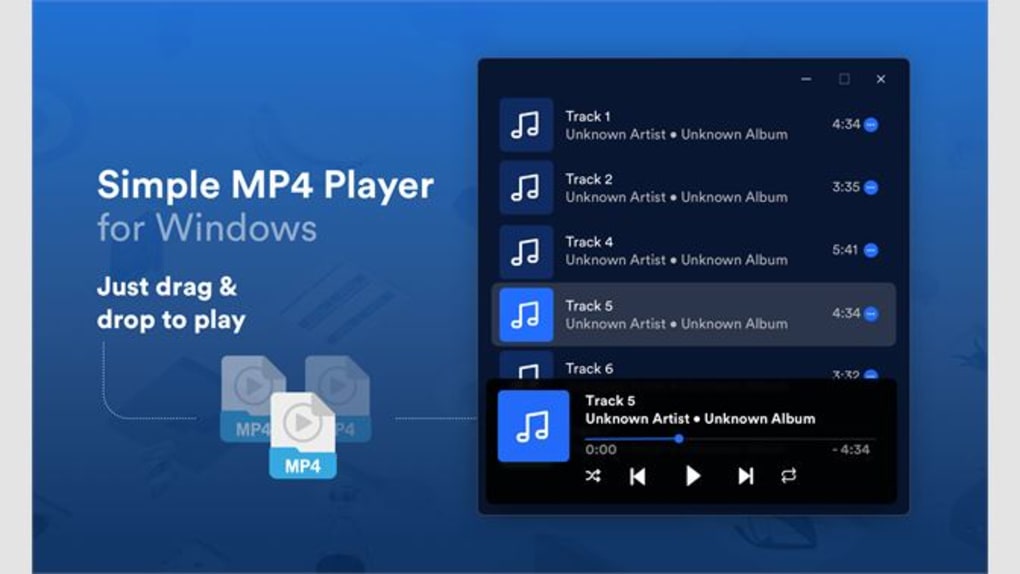
The MP4 Player application, as advertised, aims to provide a straightforward and reliable method for playing MP4 files and other common video formats on Windows operating systems. Its primary function revolves around the playback of videos, incorporating basic controls like play, pause, stop, fast forward, and rewind. While the specifics of its feature set may vary depending on the version, a typical MP4 player application should offer the following core functionalities:
-
File Compatibility: A robust MP4 player should handle various video formats beyond MP4, including AVI, MOV, MKV, WMV, and potentially others. Support for popular audio formats like MP3, AAC, and WAV is also crucial for versatile media playback. The extent of this compatibility is a critical factor in evaluating the player’s overall usefulness. A more advanced MP4 player might even boast support for less common codecs or container formats, catering to users with diverse media libraries.
-
Playback Controls: Beyond the standard play, pause, and stop functionalities, a good MP4 player should provide options for adjusting playback speed, creating and managing playlists, and potentially adding bookmarks within longer videos. These features enhance the user’s control over the viewing experience. Furthermore, the responsiveness of the playback controls is essential for a smooth and frustration-free experience. Lag or unresponsive buttons can significantly detract from the overall usability.
-
Subtitle Support: For users who consume videos with subtitles (either for language accessibility or for enhanced understanding), the ability to seamlessly integrate and display subtitle files (.srt, .sub, etc.) is a valuable asset. A well-designed MP4 player will handle various subtitle formats without glitches or display issues, providing options for font size, color, and positioning. The lack of subtitle support can be a deal-breaker for many users.
-
Visual and Audio Settings: An MP4 player should allow users to adjust the video’s brightness, contrast, and saturation to optimize the viewing experience based on their monitor’s settings and ambient lighting. Similarly, it should provide options for audio equalization, volume adjustments, and potentially sound output device selection. These customization options cater to a wider range of preferences and viewing environments.
-
User Interface: The user interface (UI) is paramount in determining the overall user experience. A clean, intuitive, and uncluttered interface enhances usability, even for less tech-savvy users. A well-designed UI should prioritize ease of navigation and quick access to key features. Conversely, a poorly designed UI with cluttered menus or non-intuitive controls can significantly impact the enjoyment of the software.
- Additional Features (Advanced): Some advanced MP4 players go beyond the basics, offering features like hardware acceleration for smoother playback of high-definition videos, support for multiple audio tracks, chapter markers for easy navigation in longer videos, and even the ability to stream videos from online sources. These additional features contribute to a more comprehensive and flexible media player experience.
Performance and System Requirements
The performance of the MP4 player is vital, and this depends on several factors:
-
Hardware Acceleration: Support for hardware acceleration through technologies like DirectX or OpenGL significantly improves playback performance, especially for high-resolution or heavily encoded video files. Hardware acceleration offloads some of the processing burden from the CPU to the GPU, resulting in smoother playback and reduced CPU usage. This is particularly beneficial for systems with less powerful processors.
-
Resource Consumption: A well-optimized MP4 player should have minimal impact on system resources like CPU and RAM usage. Excessive resource consumption can lead to system slowdowns, particularly when running other applications simultaneously. A lightweight player is crucial for smooth multitasking.
-
File Handling: The speed and efficiency of file handling are critical, impacting factors like how quickly the player loads files and how smoothly it transitions between different videos or chapters. Inefficient file handling can result in noticeable delays or stuttering during playback.
-
System Requirements: The application’s system requirements must be clearly defined, outlining the minimum and recommended specifications for optimal performance. These requirements usually encompass the operating system, processor, RAM, and available storage space. Users should ensure their system meets these requirements to avoid performance issues.
User Experience and Interface
The user experience is subjective, but several factors contribute to a positive one:
-
Ease of Use: The player’s intuitive interface directly impacts ease of use. A clear layout with easily accessible controls and straightforward navigation contributes to a positive experience. Complex or poorly designed interfaces can lead to user frustration.
-
Responsiveness: The speed and responsiveness of the player’s controls are crucial. A sluggish or unresponsive player can significantly disrupt the viewing experience. Quick loading times, seamless transitions, and immediate response to user inputs are essential for smooth operation.
-
Customization Options: The availability of customization options, like themes, skins, or adjustable settings, allow users to personalize the player to their preferences. This flexibility enhances the overall user experience, catering to individual tastes and needs.
-
Error Handling: Robust error handling is crucial for a smooth experience. The application should gracefully handle issues like corrupted files, unsupported formats, or unexpected errors without crashing or displaying confusing error messages. Effective error handling significantly improves reliability and user satisfaction.
Comparison with Alternative Applications
The market offers numerous MP4 players and multimedia applications. To properly evaluate this specific MP4 player, it needs to be compared with popular alternatives, considering factors like:
-
Feature Comparison: A comparison of features against established players like VLC media player, MPC-HC (Media Player Classic - Home Cinema), or KMPlayer reveals where this application excels or falls short. This may include aspects such as codec support, subtitle handling, hardware acceleration capabilities, and advanced features.
-
Performance Benchmarks: Direct performance comparisons, based on objective benchmarks testing loading times, playback smoothness, and CPU/RAM usage, can provide quantitative data for comparison. This data would highlight relative performance differences, showcasing strengths and weaknesses.
-
User Reviews and Ratings: Analyzing user reviews and ratings from different platforms provides invaluable feedback on the overall user experience, highlighting both positive and negative aspects. These reviews can provide insights into the practicality, reliability, and ease of use of the application compared to competitors.
-
Price and Licensing: The application’s pricing model and licensing terms (free, freemium, paid) are important considerations. Free applications offer accessibility but might have limitations or include ads, while paid applications usually offer more features and potentially better support. This needs to be weighed against the features offered by competitors.
Conclusion
The effectiveness of an MP4 player ultimately hinges on its ability to provide reliable, efficient, and user-friendly playback of video files. While many applications compete in this space, a well-designed MP4 player distinguishes itself through superior performance, extensive format support, a seamless user experience, and potentially valuable additional features. Before choosing an MP4 player, potential users must carefully consider their individual needs and preferences, weighing the various applications available against their specific requirements. A thorough review, comparing features, performance, and user experience with leading competitors, is essential for making an informed decision.
File Information
- License: “Full”
- Version: “1.0”
- Latest update: “July 2, 2025”
- Platform: “Windows”
- OS: “Windows 10”
- Language: “English”
- Downloads: “16.3K”


