
Magic: The Gathering Arena (MTG Arena), the digital adaptation of the beloved tabletop card game, has captivated millions with its faithful recreation of the original’s strategic depth and engaging gameplay. This comprehensive guide explores MTG Arena’s features, mechanics, accessibility, and community, offering a detailed look at what makes this digital card game a compelling experience for both seasoned Magic players and newcomers alike.
Gameplay and Mechanics: A Digital Duel
At its core, MTG Arena retains the strategic essence of the original Magic: The Gathering. Players construct decks of cards – a carefully curated collection of creatures, spells, and lands – to battle opponents, aiming to reduce their life total from 20 to zero. The game unfolds turn-by-turn, each player deploying cards strategically to build a powerful game plan. Lands provide the mana, the game’s fundamental resource, allowing players to cast spells and summon creatures. The strategic interplay of creatures, spells, and lands is what gives Magic its remarkable depth and replayability.
The digital environment streamlines the gameplay compared to the physical version. The process of shuffling, dealing, and managing cards is automated, eliminating the physical constraints of the tabletop game. This enhanced speed allows for faster gameplay, though the strategic demands remain as rigorous as ever. The digital interface is intuitive, guiding players through the complexities of gameplay, making it easier to understand even without prior experience with the physical game.
One key feature differentiating MTG Arena from other digital card games is the inclusion of exclusive cards. Wizards of the Coast, the developers of MTG Arena, frequently releases cards that are only available within the digital environment. This adds a unique layer of collectible value and encourages players to engage with the game consistently to obtain these exclusive cards. These exclusive cards often add unique mechanics or synergize well with existing cards, further enhancing the strategic diversity of the game.
Building Your Deck: From Starter Decks to Custom Creations
New players are greeted with a variety of starter decks, providing a smooth introduction to the game’s diverse range of cards and playstyles. These pre-constructed decks serve as valuable learning tools, allowing beginners to grasp the basic mechanics and explore different card interactions. These starter decks offer different color combinations and strategic approaches, enabling players to experiment and determine the kind of decks they prefer. Moreover, MTG Arena provides a comprehensive tutorial that guides newcomers through the fundamental concepts of mana generation, creature summoning, spell casting, and game mechanics.
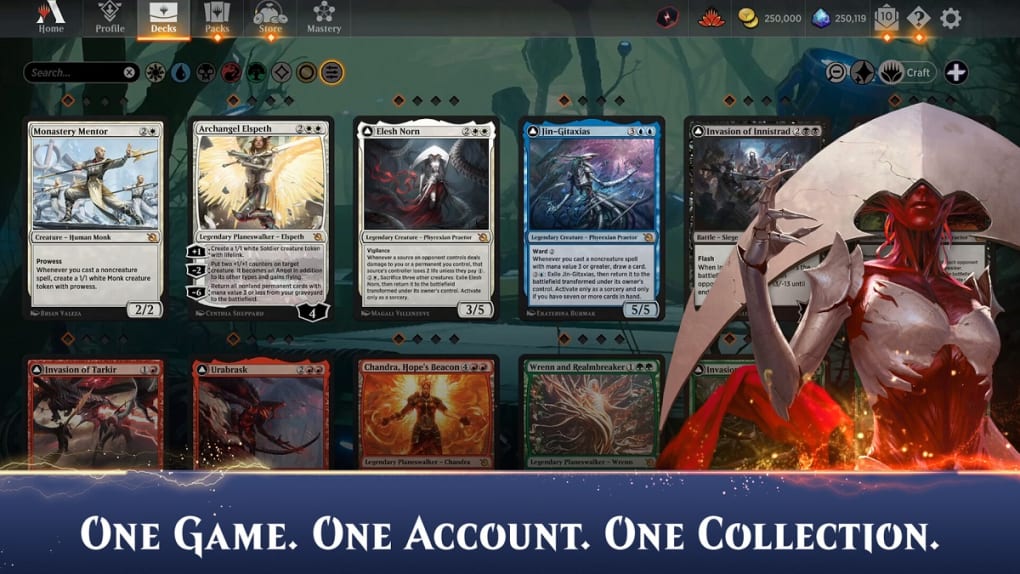
Beyond the starter decks lies the heart of deck-building in MTG Arena. Players can craft their own custom decks, carefully selecting cards to match their preferred playstyle. The game offers a vast library of cards, each with its unique abilities and attributes. This enables players to build highly personalized decks, experimenting with card synergies and strategies to create powerful and effective gameplay. The complexity of the card library challenges players to develop their understanding of card interactions and strategic decision-making. The game also provides tools to help organize cards and analyze their efficacy, helping players refine their deck compositions.
Game Modes and Progression: A Diverse Player Experience
MTG Arena offers a plethora of game modes catering to various skill levels and preferences. The primary game mode, Constructed, allows players to use their self-built decks, offering a high degree of strategic freedom. Players are pitted against others with similar skill levels, creating a competitive yet rewarding experience. This mode promotes strategic depth, demanding both careful deck construction and skillful gameplay. The ranked system in Constructed offers further incentive and allows for competitive play with leaderboard rankings.
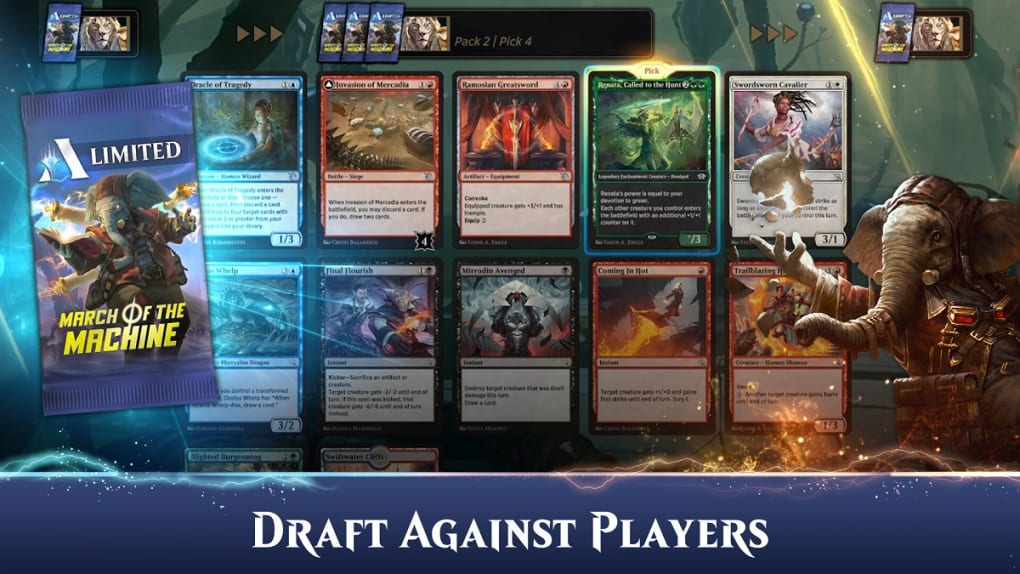
Other modes include Draft, Sealed, and Quick Draft. These modes offer a more casual and less resource-intensive approach to playing the game. Draft involves selecting cards from booster packs, while Sealed provides a set collection of cards to build a deck. These modes offer unique challenges and encourage experimentation with different strategies.
Progression in MTG Arena is tied to earning rewards. Winning matches and completing quests awards in-game currency, gold, and gems, allowing players to acquire new cards and cosmetics. This reward system incentivizes regular play and motivates players to continuously improve their deck and overall skills.
Monetization and Microtransactions: A Balanced Approach?
MTG Arena follows a free-to-play model, allowing players to experience the entire game without any upfront payment. The primary method of acquiring cards and other in-game items is through the in-game currency, gold. Gold can be earned through regular gameplay and completing quests. Alternatively, players can purchase gems using real money. Gems accelerate the card acquisition process, enabling players to purchase booster packs containing random cards or participate in drafts more frequently.
The Mastery Pass is a recurring optional purchase that provides additional rewards and cosmetics. These cosmetics are purely visual and do not impact gameplay, allowing players to express their personal preferences without any competitive advantage. Whether or not the microtransactions are deemed “expensive” depends on individual player spending habits and preferences. The game is designed so that it is entirely playable without ever purchasing gems or the Mastery Pass.
The MTG Arena Community: A Global Network of Players
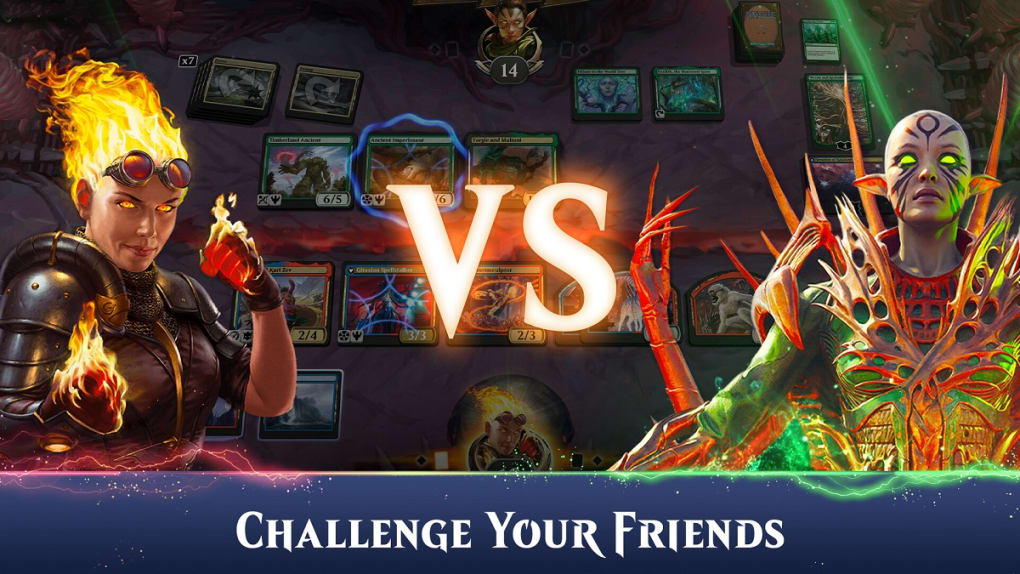
MTG Arena boasts a substantial and active global community of players. The game facilitates interactions through its matchmaking system, regularly pairing players of similar skill levels. This connection helps create a balanced competitive environment while also fostering a sense of community amongst players. This large player base ensures that finding opponents at any time of day is generally effortless. The in-game social features are designed to encourage interaction between players, though direct challenges still require an element of manual searching through player names.
The community is further enhanced through various online platforms and forums. Dedicated websites and social media groups provide spaces for players to share strategies, discuss game mechanics, and engage in friendly competition. This robust community provides a wealth of resources for players of all skill levels, and creates a supportive environment for newcomers to the game.
Conclusion: A Thriving Digital Card Game Experience
Magic: The Gathering Arena has successfully captured the essence of the original tabletop game within a digitally enhanced framework. Its intuitive interface, diverse game modes, and robust community combine to create a compelling and engaging experience for players of all skill levels. While the free-to-play model incorporates microtransactions, the game is fully playable without spending any money, ensuring accessibility for all who wish to partake in the strategic magic of MTG Arena. With regular updates, new cards, and ongoing development, MTG Arena is poised to continue its reign as a leading digital card game for years to come.
File Information
- License: “Free”
- Latest update: “June 23, 2025”
- Platform: “Windows”
- OS: “Windows 7”
- Language: “English”
- Downloads: “5.7K”
- Size: “37.67 MB”


