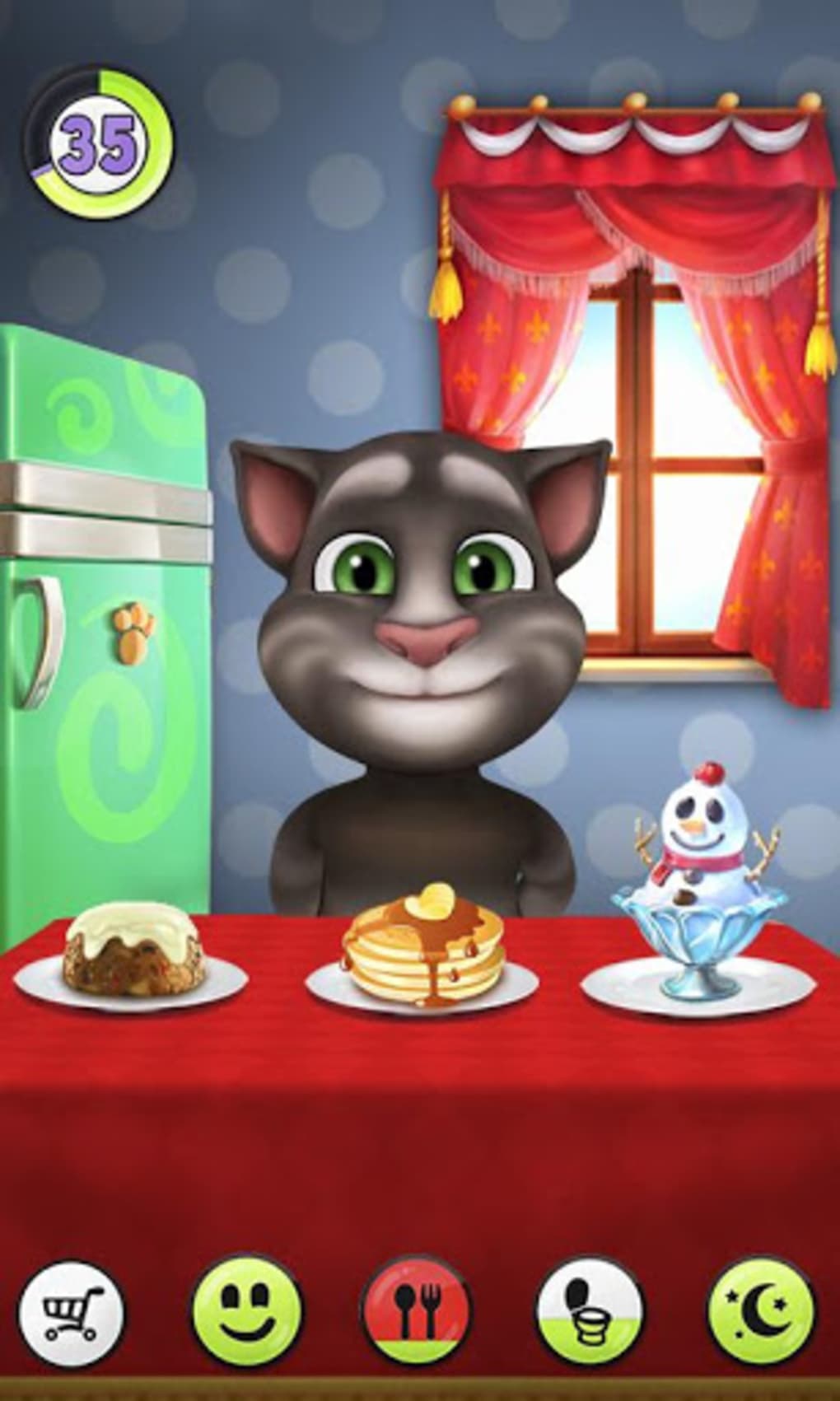
In the vast and ever-evolving landscape of mobile and PC gaming, few franchises have captured the hearts of millions quite like the “Talking Tom” series. At its core, “My Talking Tom” stands as a pioneering virtual pet game, a digital evolution that revitalizes the charm of classics like Tamagotchi and Pou for a new generation. This application invites players into a vibrant, interactive world where they assume the role of caregiver to Tom, the globally renowned feline character known for his uncanny and hilarious ability to mimic human speech. Originally gaining widespread attention for its simple yet engaging premise on various platforms, “My Talking Tom” for Windows (and its mobile counterparts) offers a free-to-play experience designed to entertain users of all ages by blending nurturing gameplay with a host of interactive mini-games and personalization options.
The essence of “My Talking Tom” lies in its commitment to replicate the joys and responsibilities of pet ownership within a digital sphere. Players download the app and are immediately entrusted with the well-being of a virtual kitten named Tom. From his early days as a tiny furball, it’s the player’s duty to feed him, bathe him, play with him, tuck him into bed, and even accompany him to the bathroom. Each interaction is crucial for Tom’s growth and happiness, mirroring the real-life demands of caring for a beloved animal. As Tom progresses through various stages of life, he transforms from a playful kitten into a charming adult cat, with his appearance and personality evolving alongside the player’s dedicated care. This progression, combined with the continuous stream of activities, creates a bond between player and pet, fostering a sense of responsibility and attachment that defines the virtual pet genre.
Beyond the fundamental care aspects, “My Talking Tom” distinguishes itself through a rich ecosystem of optional mini-games. These aren’t merely distractions; they are integral to the game’s economy and player engagement. By participating in these diverse mini-games—which range from dodging obstacles in a high-speed race to leaping across planets in a cosmic adventure—players can earn in-game coins. These coins are the currency of customization, allowing players to purchase a plethora of items to personalize Tom and his living environment. Whether it’s choosing new outfits, decorating his apartment, or buying delicious treats, the mini-games provide a rewarding loop that encourages continued play. The developers at Outfit7 have ensured that the mini-game library is regularly updated, introducing fresh challenges and keeping the experience dynamic, even if some players feel the core interactions with Tom himself could be more varied.

One of the most iconic features, carried over from the original “Talking Tom Cat” app, is the voice-mimicking functionality. Players can record themselves speaking into their device’s microphone, and Tom will hilariously repeat their words in his signature high-pitched voice. This feature has been a cornerstone of the franchise’s viral success, leading to countless shared videos and moments of laughter. “My Talking Tom” expands on this by allowing players to record not just Tom’s vocal antics, but also videos demonstrating how they care for their virtual pet. These recorded clips can then be effortlessly shared across various social media platforms like Twitter, Facebook, YouTube, or via email, enabling players to connect with friends and showcase their adorable digital companion. The game even includes special animated videos chronicling Tom’s adventures with his friends, further enriching the lore and entertainment value of the franchise.
The Evolution of Virtual Pet Games
The concept of a virtual pet game, pioneered by the likes of Tamagotchi in the mid-1990s, was revolutionized by the advent of smartphones and advanced computing power. “My Talking Tom” represents a significant leap in this genre, transforming a simple digital keychain into a sophisticated, visually appealing, and highly interactive experience accessible on a wide range of devices. Where early virtual pets offered rudimentary pixelated graphics and limited interactions, “My Talking Tom” presents a fully animated 3D character with a discernible personality, reacting to touches, gestures, and even vocal cues. This evolution isn’t just aesthetic; it deeply enhances the immersion and emotional connection players form with their digital companion.
The progression from simple blinking lights to a character that expresses hunger, joy, boredom, and fatigue through nuanced animations and sounds makes Tom feel genuinely alive. The game’s mechanics are designed to teach children (and adults) about responsibility and empathy in a playful setting. Missing a feeding time might make Tom grumble, while a good play session will leave him purring with delight. This feedback loop is essential for engaging players and reinforcing the consequences of their actions within the virtual world. The game also cleverly integrates mini-games not as mere add-ons, but as core components that fuel the player’s ability to care for and customize Tom. This strategic integration ensures that the diverse activities contribute to the central objective of nurturing Tom, rather than detracting from it.

However, this evolution isn’t without its challenges. Critics and players alike have noted that despite the graphical advancements and the multitude of mini-games, the core interactions with Tom can sometimes feel repetitive. The daily routine of feeding, bathing, and playing, while fundamental to the genre, can become monotonous for some users over extended periods. The game, at times, shifts its focus, appearing more as a collection of mini-games loosely tied together by the presence of Tom, rather than an expanding world of direct interactions with the pet itself. This leads to a common sentiment that while the initial premise is engaging, the longevity of direct pet interaction could be improved with more spontaneous gestures, unique activities, or evolving conversational options.
Furthermore, the monetization strategy, a common aspect of free-to-play mobile games, sometimes detracts from the user experience. While the mini-games are fun, many players find themselves confronted with in-app purchase prompts to continue a game after a failure or subjected to frequent advertisements. This system, where real money can buy virtual currency or skip ads, can disrupt the flow of gameplay and create frustration, especially for younger audiences who might not understand the underlying economics. The original Spanish description mentions, “This system of monetization breaks the rhythm of the app,” and that “no: ¡no existen trucos para conseguir monedas gratis en estos divertimentos!” (no: there are no tricks to get free coins in these amusements!). This highlights a genuine pain point for players seeking an uninterrupted and purely free experience. The balance between maintaining a free-to-play model and ensuring a pleasant user experience remains a delicate tightrope walk for developers in this space.

A Family-Friendly Digital Companion
“My Talking Tom” has cemented its place as a beloved family-friendly application, largely due to its intuitive design, simple mechanics, and universally appealing character. The game’s interface is remarkably straightforward, requiring minimal text and relying heavily on clear, universally understood symbols. This design choice makes it incredibly accessible for children of all ages, allowing them to navigate the game and understand its functions without needing strong reading skills. The initial launch of the game is accompanied by a mini-tutorial, and any new element introduced subsequently is clearly explained, guiding young players through the experience with ease. This pedagogical approach ensures that even toddlers can engage with Tom, making independent play possible and fostering a sense of accomplishment as they master the game’s mechanics.
The appeal of “My Talking Tom” within family households extends beyond its ease of use. It serves as a gentle introduction to the responsibilities of pet ownership, albeit in a low-stakes virtual environment. Children learn about routines, hygiene, and the importance of nurturing a living creature, translating abstract concepts into concrete actions within the game. The playful nature of Tom, especially his voice-mimicking ability, brings immense joy and laughter, making the app a source of shared entertainment for parents and children alike. The option to record and share these humorous interactions further amplifies the family fun, creating memorable moments that can be preserved and revisited.
However, for a character as central as Tom, some users express a desire for more dynamic graphical expressiveness. While his animations are cute, he can sometimes appear “too static,” lacking the spontaneous gestures and varied facial expressions that might make him seem truly alive and deepen the emotional connection. This observation from the original content, “Echamos en falta más expresividad, más gestos espontáneos, ¡que realmente parezca que esté vivo!” (We miss more expressiveness, more spontaneous gestures, so that he really seems alive!), points to an area where the game could further enhance its immersion. Despite this, the consistent positive feedback from users, describing the game as “divertido” (fun), “genial” (great), and “muy majo” (very nice), underscores its fundamental success as a delightful digital companion for families worldwide. The ability to engage children safely and entertainingly solidifies its position as a top choice in the “Family” category of games.
Personalizing Your Virtual Pet’s World
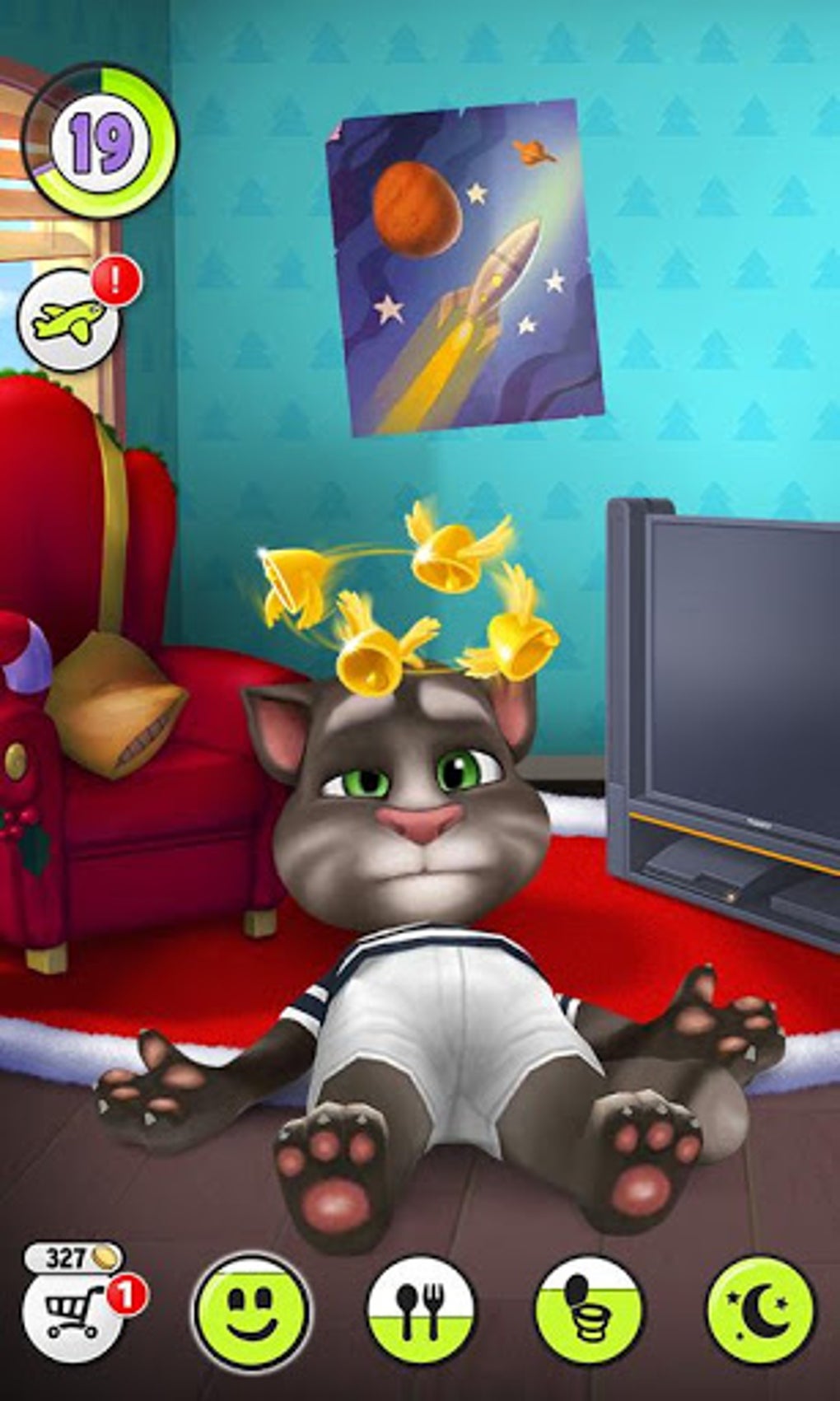
One of the most engaging aspects of “My Talking Tom” is the extensive range of personalization options it offers, allowing players to truly make Tom and his home their own. This feature taps into a deep-seated desire for creative expression and ownership, transforming a generic virtual pet into a unique digital companion. As players earn coins through mini-games, they unlock a vast catalog of items, including diverse outfits, accessories, and furniture. Imagine dressing Tom in a superhero costume, a dapper suit, or casual streetwear; the possibilities are nearly endless. Each item not only alters Tom’s appearance but also allows players to project their own style and personality onto their virtual friend.
Beyond Tom’s wardrobe, players can also customize his living space. His apartment can be transformed with new wallpapers, flooring, and furniture, ranging from cozy beds to playful decor. This level of environmental personalization allows players to create a unique backdrop for Tom’s daily adventures, reflecting their aesthetic preferences and enhancing the immersive quality of the game. The act of decorating and redecorating provides an ongoing creative outlet, ensuring that players always have new goals to work towards and fresh ways to interact with the game. This constant stream of unlockable content and customization opportunities is a powerful motivator, encouraging players to revisit the app regularly to earn more coins and discover new ways to express themselves.
The personalization extends to the various stages of Tom’s life. As he grows from a kitten to an adult, new options might become available, making the progression not just about his age but also about expanding his world and identity. This dynamic customization adds another layer of depth, making the experience feel more tailored and responsive to the player’s investment. It’s a key reason why “My Talking Tom” maintains its appeal; even if the core interactions become familiar, the endless possibilities for customization keep the game fresh and exciting. This emphasis on player agency and creative freedom is a hallmark of successful virtual pet games, empowering users to forge a truly personal connection with their digital companion.
The Social Dimension and Sharing the Fun
In an increasingly connected world, “My Talking Tom” cleverly integrates social elements that extend its reach beyond individual gameplay, transforming it into a platform for shared experiences and community engagement. While the primary interaction is between the player and Tom, the game introduces a charming social feature: the ability to visit the virtual pets of friends or even complete strangers. This simple yet effective mechanic allows players to explore different personalized Tom apartments, observe how other players care for their pets, and gain inspiration for their own customization efforts. It fosters a sense of community and friendly competition, as players showcase their well-cared-for and uniquely styled Toms.
Crucially, the franchise’s enduring popularity is heavily amplified by its robust sharing capabilities. As mentioned, the iconic voice-mimicking feature has been a source of viral content since the original “Talking Tom Cat.” “My Talking Tom” builds upon this by allowing players to not only record Tom repeating their words but also to create short videos documenting their care routine or capturing amusing moments with their pet. These videos, which can be easily saved and shared, become personal narratives of their virtual pet ownership experience. The seamless integration with major social media platforms like Twitter, Facebook, and YouTube, alongside email sharing options, empowers players to disseminate their creative content widely.
This sharing functionality is vital for the game’s organic growth and sustained interest. User-generated content acts as a powerful marketing tool, drawing new players into the “My Talking Tom” universe. Friends seeing humorous clips or adorable moments with Tom are often inspired to download the app themselves, eager to create their own personalized digital companion and share their unique experiences. The ability to share funny voice recordings or custom-designed outfits fosters a dynamic and interactive community, turning individual gameplay into a collective phenomenon. Moreover, the inclusion of special animated videos showcasing “adventures of Tom and company” further builds on this social aspect, creating a broader narrative that fans can follow and discuss, solidifying Tom’s status as a beloved digital icon. This emphasis on user-generated content and easy sharing underscores the developers’ understanding of modern digital engagement, making “My Talking Tom” not just a game, but a social phenomenon.
Conclusion
“My Talking Tom” remains a compelling example of a virtual pet game that successfully bridges the gap between classic concepts and modern mobile interactive experiences. While the game shines in its intuitive interface, charming character design, and rich customization options, it also faces common challenges related to repetitiveness and monetization strategies prevalent in the free-to-play market. Its appeal as a family-friendly digital companion is undeniable, offering a low-stakes introduction to responsibility and a consistent source of lighthearted fun, particularly through Tom’s signature voice-mimicking ability.
Ultimately, “My Talking Tom” provides engaging entertainment for a significant period. Its core idea is promising, and for many, the joy of raising a virtual pet and customizing their world is enough to warrant continued play. However, as noted in the original assessment, a desire for “more actions and options that extend the life of the game” persists among some users who yearn for deeper, more varied interactions beyond the mini-games. For those seeking an alternative, “My Talking Angela” offers a similar experience with a female feline protagonist.
Developed by Outfit7 and consistently updated, “My Talking Tom” has garnered over 348.3K downloads, demonstrating its widespread appeal across various platforms, including Windows, iPhone, and Android. Though the Windows version mentioned in the original review (version 0.4.2) is no longer available for download from PhanMemFree.org due to various reasons, the essence of the game lives on through its mobile iterations and successor titles. It supports a multitude of languages, including English, Spanish, German, French, Italian, Japanese, and many others, underscoring its global reach. Despite its minor drawbacks, “My Talking Tom” stands as a foundational title in the virtual pet genre, continuing to bring smiles to millions of players worldwide, proving that sometimes, the simplest pleasures of nurturing a digital friend are the most enduring.