
Step into the vibrant and tumultuous world of ninjas with NARUTO SHIPPUDEN: Ultimate Ninja STORM Revolution, the 2014 entry in CyberConnect2’s acclaimed Ultimate Ninja Storm series. Developed by a studio renowned for its faithful adaptations of the beloved anime, Revolution promised fans an exhilarating return to the Shinobi world, packed with new techniques, enhanced mechanics, and an expansive roster. As an action-fighting game deeply rooted in the iconic Naruto universe, it aimed to captivate both long-time devotees and newcomers, allowing them to embody their favorite characters and unleash devastating jutsus in spectacular battles.
Upon its release, Revolution immediately distinguished itself through a significant overhaul of its available content. The game boasted an impressive lineup of over 100 characters, encompassing a vast majority of the rich cast from the Naruto property. This extensive roster was a major selling point, offering unparalleled choice and variety for players looking to master different fighting styles and character-specific abilities. Beyond the sheer number of playable characters, the title also introduced a fresh approach to the traditional story campaign and unveiled an exciting new tournament mode. However, despite these ambitious changes and the promise of a revitalized experience, Revolution found itself in a unique position within the series, offering a comparatively thinner narrative experience that would ultimately lead to a mixed reception among its dedicated fanbase.
A New Era of Ninja Combat: Modes and Mechanics Unveiled
NARUTO SHIPPUDEN: Ultimate Ninja STORM Revolution was designed with a clear intent: to keep players engrossed through innovative gameplay experiences and a wealth of content. The main focus of this installment was undoubtedly its brand-new Ninja World Tournament mode, an ambitious undertaking that sought to determine the ultimate fighter among the vast Shinobi roster.
In the Ninja World Tournament, players embark on a journey filled with intense competition, vying for supremacy against a diverse array of characters. Most of the battles adhere to the series’ signature mano-a-mano format, providing a direct, skill-based confrontation where typical health bars meticulously track the fighters’ statuses. These one-on-one encounters are punctuated by strategic depth, requiring players to master their chosen ninja’s unique abilities, substitution jutsus, and ultimate techniques to outwit their opponents. The fluid combat system, characterized by its fast-paced action and visually stunning attacks, ensures that each victory feels earned and each defeat a lesson learned.
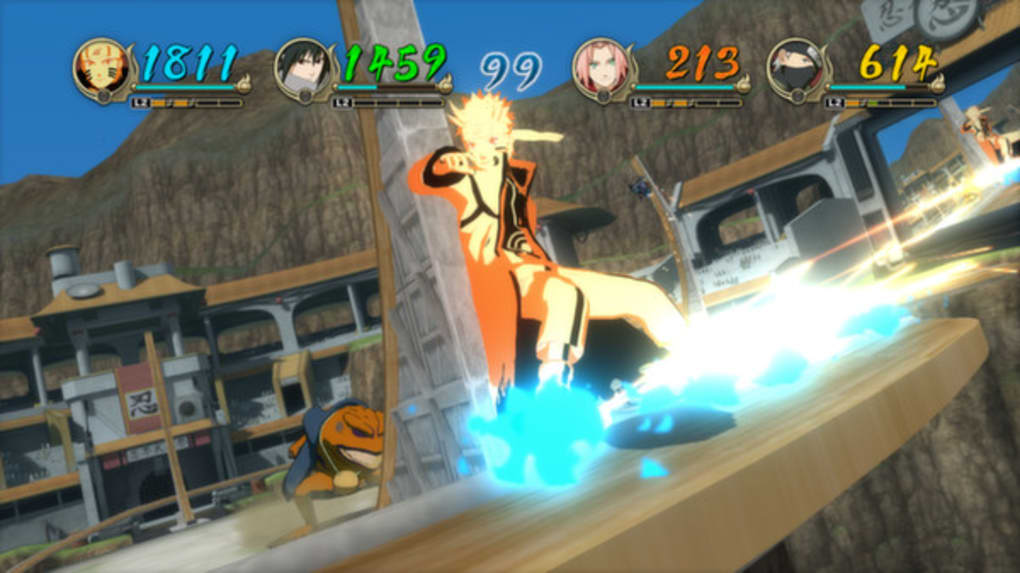
Adding an exciting layer of unpredictability and chaos to the tournament structure, occasional four-player matches break up the traditional duels. These multi-ninja brawls are often frantic and exhilarating, demanding a different kind of strategic thinking as players navigate a dynamic battlefield with multiple adversaries. The objective in these multi-opponent skirmishes often shifts from depleting a health bar to collecting “Battle Orbs,” introducing an arcade-like element that encourages aggressive play and quick reflexes. Beyond the core combat, the tournament mode is further enriched by various side-quests, which players can undertake between battles. These quests provide additional challenges, unlockables, and opportunities to delve deeper into the game’s lore, offering a welcome respite from the relentless fighting and adding considerable replay value. They often involve specific conditions, such as defeating an opponent with a particular jutsu or within a time limit, rewarding players for exploring different facets of their ninja’s toolkit.
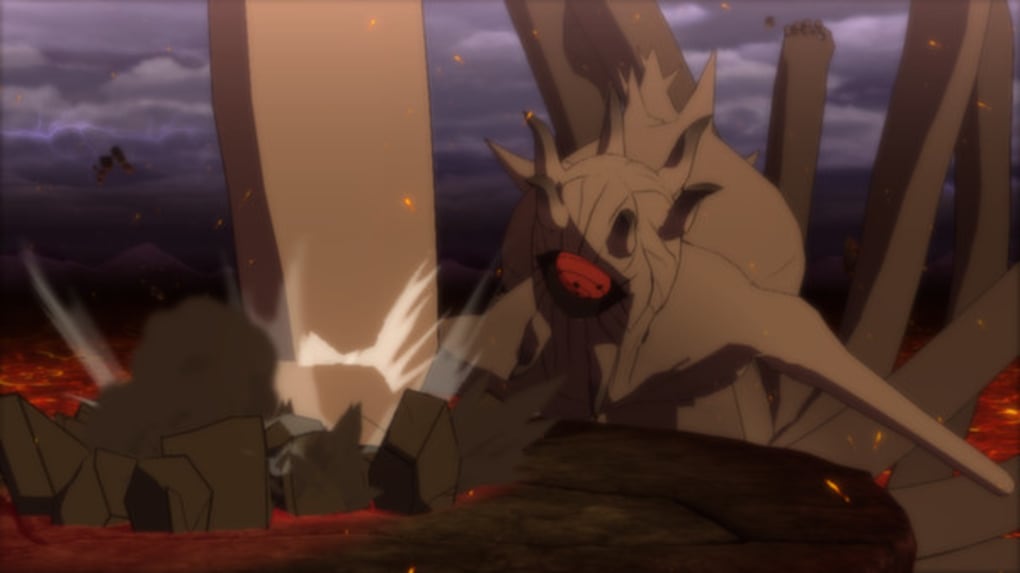
However, a significant departure from previous Ultimate Ninja Storm titles came in the form of its story presentation. In Revolution, the lavish, cinematic cut-scenes and stunning, large-scale boss battles that characterized the traditional story campaigns were replaced by a feature known as Ninja Escapades. Instead of a continuous, epic narrative retelling the events of the anime, Ninja Escapades offers a curated collection of stories exclusive to the game. These narratives, while providing new insights and scenarios, are notably shorter and comparatively thinner in scope. The entire story arc, presented through a series of vignettes and character-focused episodes, can leave long-time fans feeling a sense of disappointment. Many had grown accustomed to the immersive and dramatic storytelling of previous installments, and Revolution’s condensed approach, though original, didn’t quite fill the void left by a comprehensive main campaign. This brevity meant that the emotional resonance and grand scale typically associated with the Naruto narrative were somewhat diminished, preventing the game from fully capturing the epic sweep of the Shinobi world.
Further impacting the overall experience was the online mode, which, despite offering an avenue for competitive play, came with its own set of limitations. The online lobbies were designed to accommodate 4-8 players, fostering a sense of community and anticipation. However, a key design choice restricted actual gameplay: only two people could fight at a time, while the rest were relegated to waiting their turn. This queuing system, while perhaps intended to simulate an authentic tournament bracket, often led to extended periods of idleness for players eager to jump into the action. In a fast-paced fighting game genre where instant gratification and continuous engagement are highly valued, this waiting mechanism proved to be a source of frustration for many, detracting from the fluidity and excitement of online multiplayer. The desire for seamless, concurrent battles among multiple players remained largely unfulfilled, limiting the game’s potential as a thriving online competitive platform.
Refined Combat and Visual Splendor
Beyond the structural changes to its modes, NARUTO SHIPPUDEN: Ultimate Ninja STORM Revolution also introduced significant alterations and refinements to the fighting system itself, aiming to deepen the strategic layers of its already engaging combat. The most prominent addition was a new system incorporating “breaking and counter mechanics,” elements that demanded a higher degree of precision and tactical awareness from players.
These mechanics were not mere superficial additions; they fundamentally altered the flow of battle, requiring precise timing to execute successfully. The “Guard Break” allowed players to shatter an opponent’s defense, leaving them vulnerable to a flurry of attacks, while the “Counterattack” provided an opportunity to interrupt an aggressor’s combo and turn the tide of battle. Mastering these techniques was paramount for success; without properly utilizing them, players would often find themselves struggling to overcome well-guarded opponents or becoming exposed to increased damage due themselves. This new system injected a fresh layer of strategy, elevating the combat beyond simple button-mashing and encouraging a more thoughtful approach to offense and defense. Players had to carefully observe their opponents, anticipate their moves, and choose the opportune moment to break their guard or deliver a devastating counter.
However, this increased strategic depth came with its own set of challenges, particularly for newcomers or those less familiar with the Ultimate Ninja Storm series’ intricate gameplay. A significant oversight in Revolution was the absence of a comprehensive tutorial. While veterans might intuitively grasp the nuances of the new mechanics through experience, new players were largely left to their own devices. This meant that learning the ropes, understanding the timing of guard breaks, and perfecting counterattacks often involved a tedious process of trial and error. Many players resorted to seeking out tactics and guides online, a necessary but unfortunate workaround for a feature that should have been integrated into the game itself. The lack of in-game guidance created an unnecessary barrier to entry, potentially alienating players who were otherwise keen to immerse themselves in the Shinobi world.
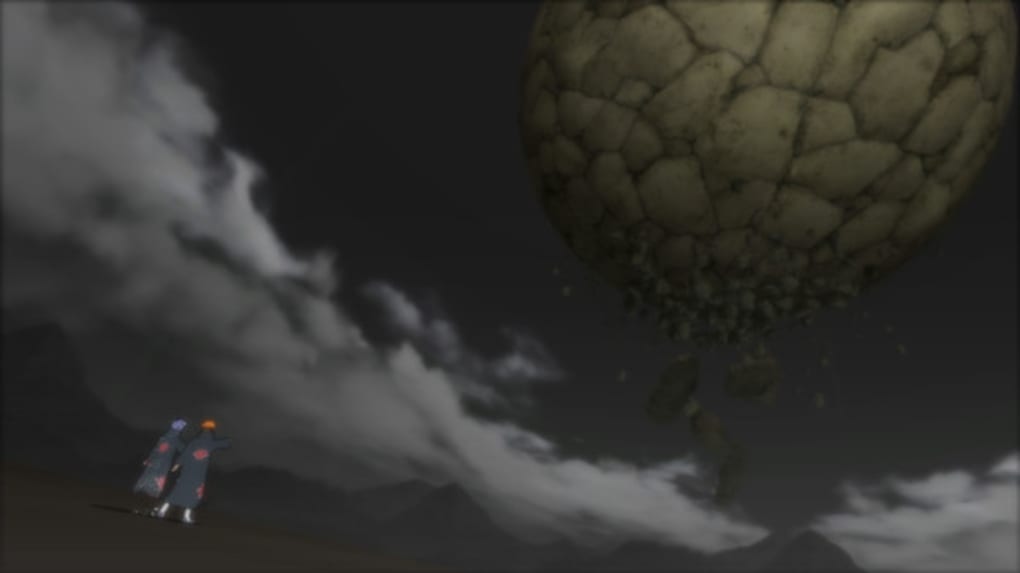
Despite these gameplay adjustments, NARUTO SHIPPUDEN: Ultimate Ninja STORM Revolution undeniably shone in its presentation. Graphically, the game remained a testament to CyberConnect2’s commitment to visual fidelity and artistic accuracy. The characters were meticulously rendered, looking remarkably like their anime counterparts. From the intricate details of their costumes to the subtle expressions in their faces, every aspect contributed to an authentic Naruto experience. This attention to detail extended to the animation of their special moves and jutsus. All of the iconic techniques, from Naruto’s Rasengan to Sasuke’s Chidori, were faithfully replicated from the show, bursting with vibrant colors, dynamic effects, and explosive impact. The spectacle of all-out ninja warfare was brought to life with brilliant and intense visuals, making every battle feel like a pivotal moment straight out of the anime. The visual flair was a consistent strength, ensuring that even amidst criticisms of other aspects, the core aesthetic appeal remained undeniably strong. The sound design complemented the visuals perfectly, with authentic voice acting and impactful sound effects that added another layer of immersion to the high-octane battles.
Mixed Reception and Enduring Legacy
At first glance, NARUTO SHIPPUDEN: Ultimate Ninja STORM Revolution appeared poised to be another fantastic addition to the ever-growing list of Naruto games, especially given its impressive visual fidelity and expanded roster. The game’s ability to faithfully translate the anime’s aesthetic into an interactive experience was a recurring strength of the Ultimate Ninja Storm series, and Revolution continued this tradition with stunning character models and visually explosive jutsus that mirrored their on-screen counterparts. The intense spectacle of all-out ninja warfare, rendered with vibrant colors and dynamic animations, undeniably provided moments of exhilarating gameplay. However, despite these brilliant and intense spectacles, a few notable missteps ultimately dragged the game down from reaching its full potential, preventing it from achieving the coveted “Hokage status” in the eyes of many fans.
The game’s reception was largely mixed, a common theme for titles that attempt to innovate while retaining core series elements. On the positive side, the sheer volume of playable characters, exceeding 100 on the roster, was widely celebrated. This extensive selection offered unparalleled choice and replayability, allowing players to experiment with a vast array of ninja styles. The introduction of the new tournament mode was also seen as a fresh and engaging way to experience battles, diverging from the traditional linear story mode and providing a different kind of challenge. Furthermore, the implementation of new and strategic fighting moves, particularly the breaking and counter mechanics, added a welcome layer of depth to the combat, rewarding skilled players who mastered the timing and execution. And, as always, the game remained faithful to its anime counterpart in terms of character design, jutsu representation, and overall atmosphere, which was a huge draw for dedicated fans.
However, the game faced significant criticism for several key areas. Perhaps the most glaring omission was the lack of a proper tutorial. For a game introducing new and complex combat mechanics, forcing players to learn through trial and error or by seeking external guides was a major drawback, hindering accessibility and frustrating many. The story was widely regarded as thin and short, a stark contrast to the epic and cinematic narratives of previous Storm titles. The “Ninja Escapades,” while offering new lore, failed to provide the same sense of grandeur and emotional investment, leaving many fans disappointed by the brevity and fragmented nature of the narrative. The online mode also drew flak for its basic functionality and the frustrating limitation of only two players being able to fight at a time within larger lobbies, leading to long waits and diminishing the competitive experience. Finally, the criticism of unbalanced combat elements pointed to certain characters or techniques being overly powerful, creating frustrating matchups and detracting from the overall fairness and competitive integrity of battles. These annoying imbalances ultimately kept the game from truly excelling and achieving universal acclaim.
NARUTO SHIPPUDEN: Ultimate Ninja STORM Revolution was developed by CyberConnect2 Co. Ltd. and first released in 2014, with its latest update noted on June 14, 2023. It is available for Windows and is a paid title, offered in English and several other languages, including German, Spanish, French, and Italian. As a product available on PhanMemFree, it has accumulated significant interest, with 159.7K downloads to date and 2.1K downloads in the last month, demonstrating its enduring appeal within the gaming community.
Despite its shortcomings, Revolution holds a unique place in the Ultimate Ninja Storm series. It served as an experimental bridge, introducing mechanics and ideas that would later be refined in subsequent titles. While it didn’t fully live up to the sky-high expectations set by its predecessors, its expansive roster and efforts to innovate the combat system are commendable. For fans of the Naruto universe, it still offers countless hours of ninja action, a rich character selection, and a visually stunning interpretation of their beloved anime. Its legacy is that of a bold, albeit imperfect, step forward, proving that even amidst missteps, the spirit of the Shinobi world continues to thrive in video game form. Enthusiasts looking for a diverse character roster and a refined combat experience, even with a lighter story, will find much to appreciate in this installment from CyberConnect2.
File Information
- License: “Full”
- Version: “2016”
- Latest update: “June 14, 2023”
- Platform: “Windows”
- OS: “Windows XP”
- Language: “English”
- Downloads: “161K”


