
The Necrometer app, available for Android and iOS, presents itself as a multifaceted tool for ghost hunters and paranormal enthusiasts. Promising to bridge the gap between the living and the spectral, it leverages modern technology to interpret potential spirit communication through various methods. However, its effectiveness and the validity of its claims remain a subject of debate among users and experts alike. This article will delve into the functionalities, user experiences, and scientific plausibility of the Necrometer app, exploring its strengths, weaknesses, and the broader context of paranormal investigation technology.
How Necrometer Works: Exploring its Core Functionalities
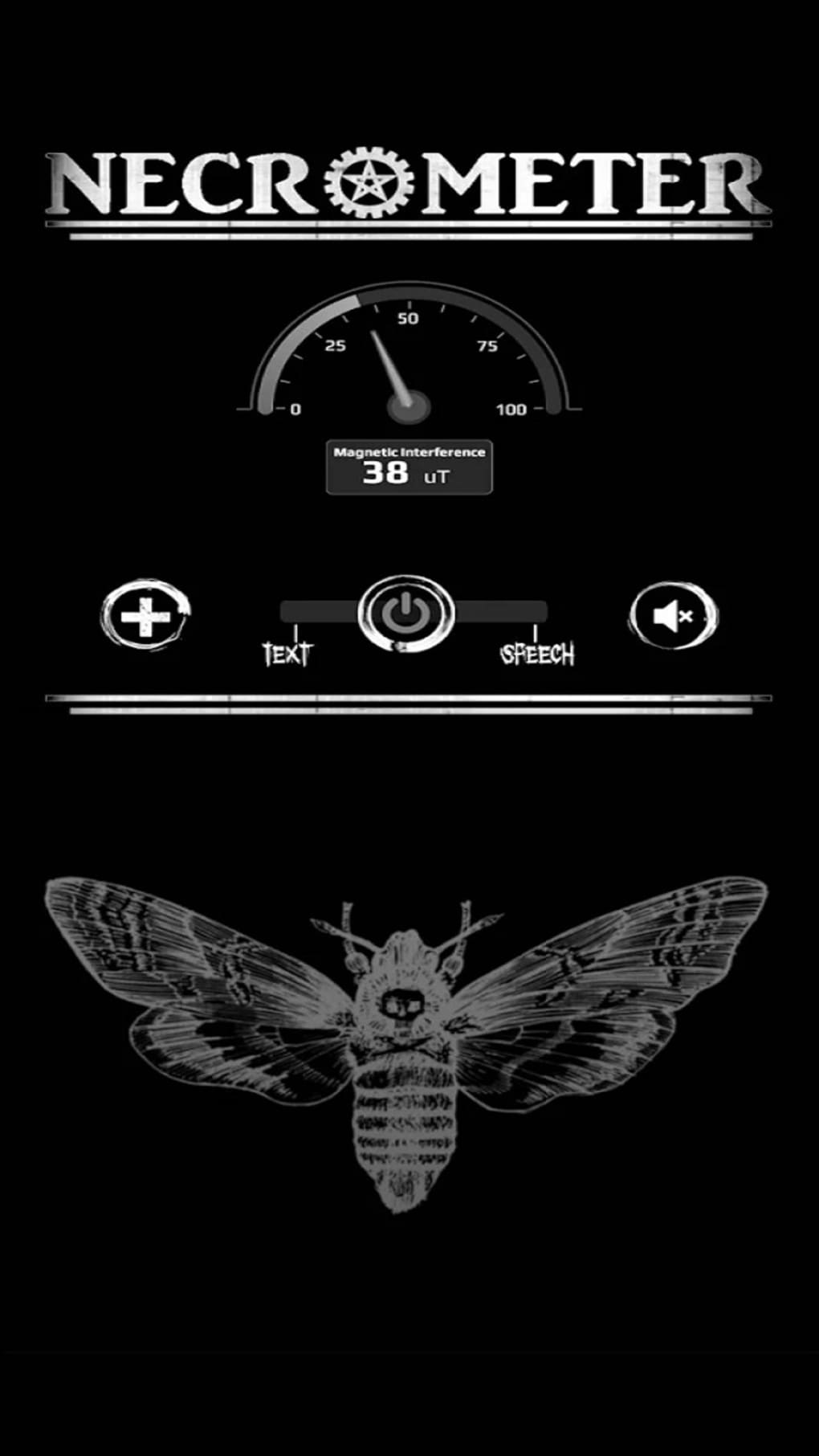
At its core, Necrometer purports to detect and interact with spirits using a combination of sensor data analysis and algorithmic interpretation. The app primarily relies on the device’s built-in magnetometer, a sensor that measures magnetic fields. The app’s premise is built upon the belief that spirits can influence these magnetic fields, resulting in measurable fluctuations. These fluctuations are displayed on a meter within the app, providing users with real-time feedback on what the app interprets as potential paranormal activity.
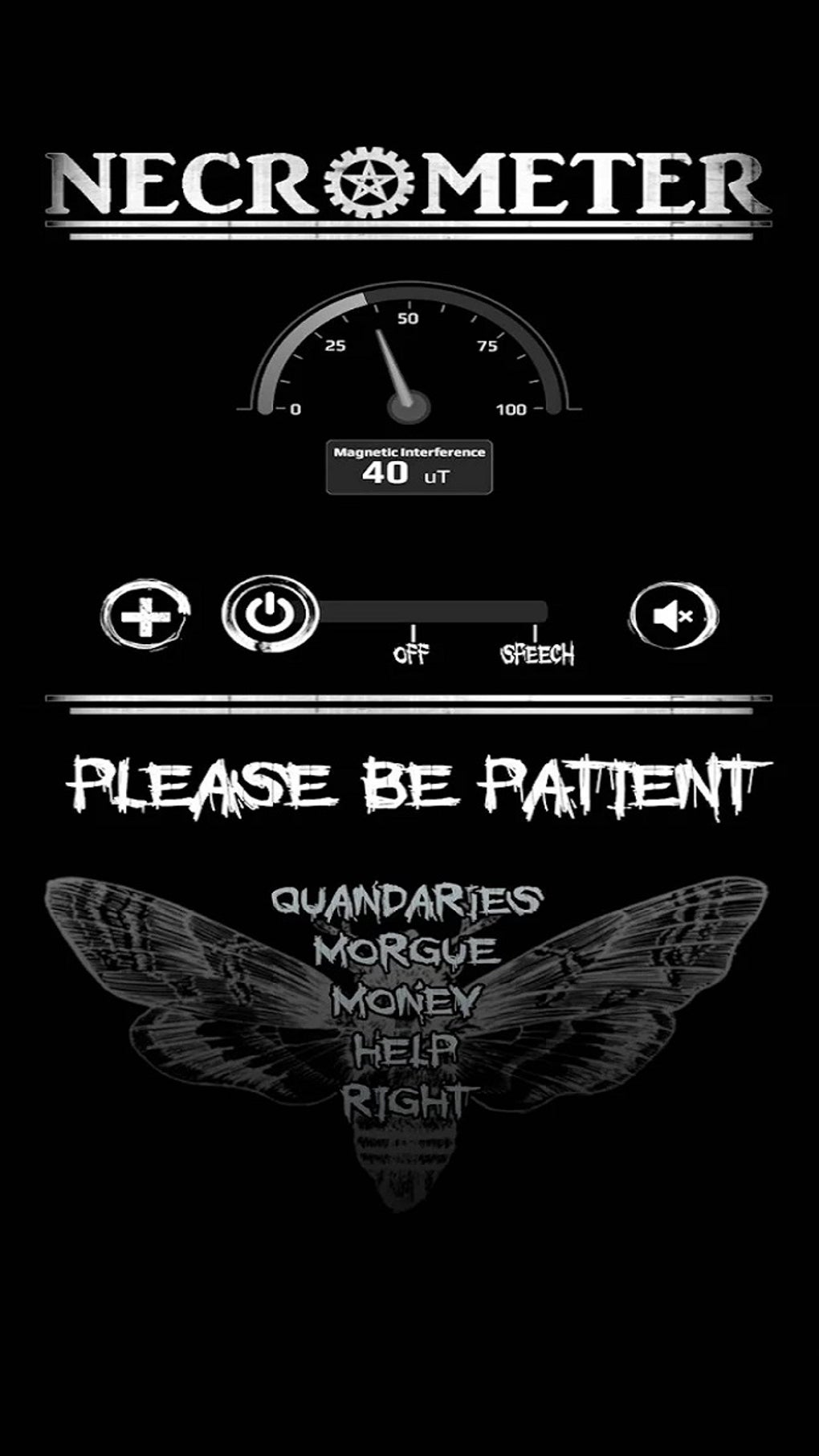
The app also incorporates two primary modes of communication: Text Mode and Speech Mode. In Text Mode, users can formulate questions and interact with what the app suggests might be spiritual entities. The app then generates words and phrases, purportedly as responses to the user’s inquiries. The selection process underlying these generated responses remains undisclosed within the app’s documentation, raising questions about the algorithms employed and the potential for biases or random outputs.
Speech Mode offers a different approach, generating random speech sounds rather than relying on pre-recorded audio samples or a structured sound bank. The rationale behind this method is presumably to allow for more spontaneous and less predictable communication with the spirit world. Again, the specific methodology used by the app to generate these sounds remains unclear, leaving the validity of its claims open to scrutiny.
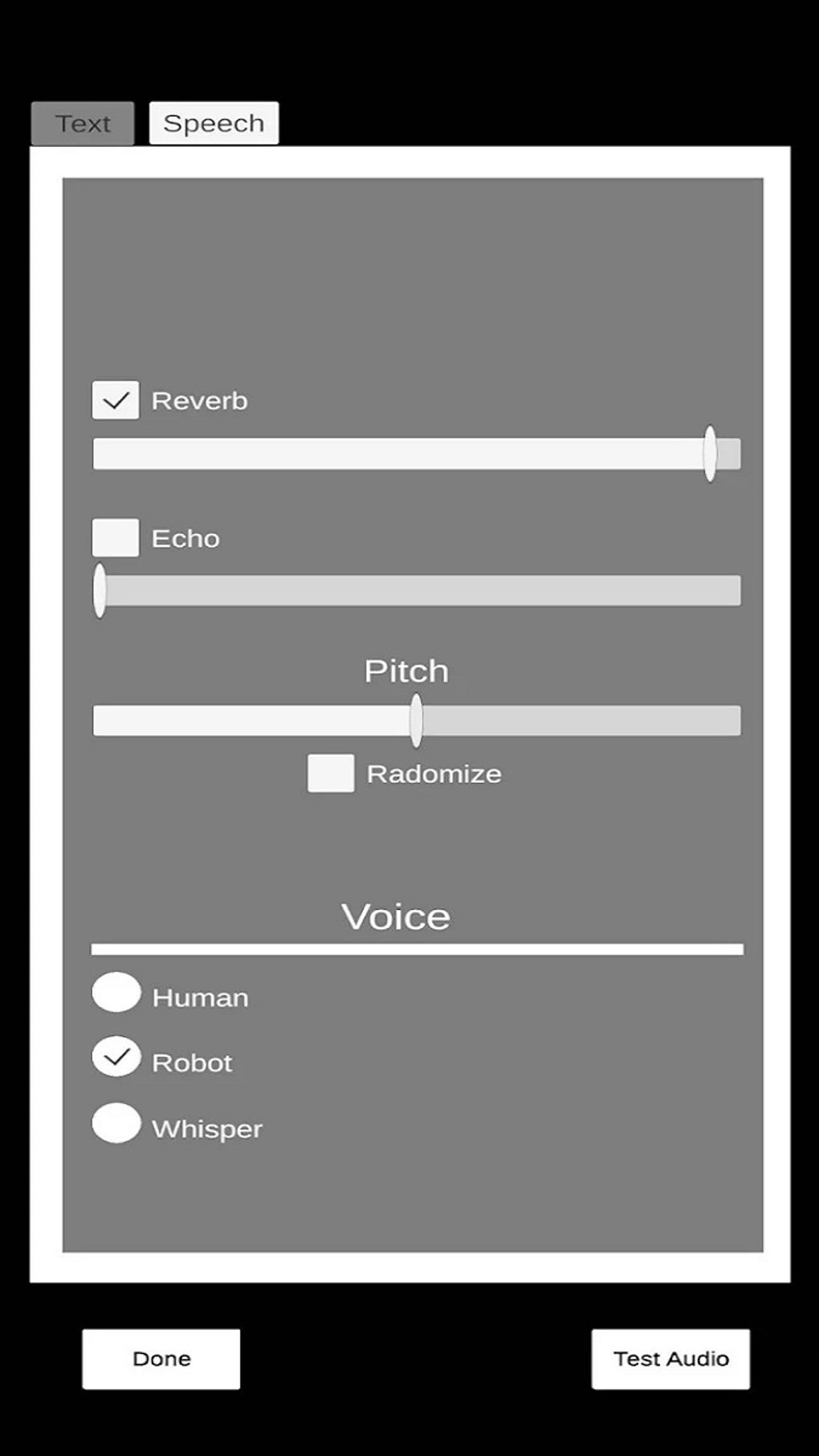
Beyond the core functionalities of magnetic field detection and communication modes, the Necrometer app may incorporate other features to enhance the user experience. Some users have reported additional tools or settings that might include adjustable sensitivity levels for the magnetometer readings, different sound profiles for speech mode, or even features for recording and storing data collected during investigations. The specific set of features may vary across different versions of the app.
User Experiences: A Spectrum of Perspectives
The Necrometer app’s reception has been diverse, reflecting the subjective nature of paranormal investigations and the varied expectations of its users. For many enthusiastic users, the app provides an engaging and immersive experience, sparking curiosity and a sense of excitement during investigations. The real-time feedback from the magnetometer and the generated text or speech responses can contribute to a captivating and even thrilling experience, particularly for those already inclined to believe in the paranormal. The ease of use and accessibility of the app are also frequently cited as positives, making paranormal investigation more accessible to a wider audience.
Conversely, skeptical users often express doubts about the app’s validity and scientific basis. The lack of transparency in the algorithms and the reliance on unproven correlations between magnetic field fluctuations and spirit activity are common points of criticism. The generated text and speech responses can be perceived as random or easily misinterpreted, leading to subjective interpretations and the potential for confirmation bias. For skeptics, the app’s value lies primarily in its entertainment value rather than its purported ability to detect and communicate with spirits.
This divergence in user experiences highlights the inherent limitations of an app attempting to engage with an inherently subjective and scientifically unproven phenomenon. The app’s success largely depends on the user’s predispositions and expectations. For believers, it can amplify existing beliefs; for skeptics, it can serve as a case study in the challenges of validating paranormal claims through technology.
Scientific Scrutiny: A Critical Analysis
The Necrometer app’s reliance on magnetometer data and its interpretation of this data as evidence of spiritual interaction is not supported by scientific consensus. While magnetic fields are measurable physical phenomena, there’s no established scientific theory or evidence linking fluctuations in Earth’s magnetic field to the presence or activities of spirits. The app’s algorithms and interpretation methods remain largely proprietary and undocumented, making independent verification and scientific scrutiny exceptionally difficult.
The generation of text and speech responses through the app also raises concerns about the potential for misinterpretations and biases. Random outputs could easily be interpreted as meaningful communication if the user is predisposed to seeking confirmation of their beliefs. The absence of peer-reviewed studies or credible research supporting the app’s claims further weakens its scientific standing.
It’s crucial to approach the Necrometer app, and other similar paranormal investigation technologies, with a healthy dose of skepticism. While the app might offer an entertaining experience for some, its purported ability to detect and communicate with spirits should be viewed as unsubstantiated and lacking in scientific rigor.
Alternatives and Similar Apps: A Comparative Overview
The market for paranormal investigation apps is relatively diverse, with several other applications offering similar or related functionalities. Some apps, like Necrophonic, focus primarily on EVP (Electronic Voice Phenomena) recording and analysis. Others, such as various “ghost detector” or “spirit communicator” apps, leverage a combination of sensor data, audio analysis, and random number generation, similar to Necrometer’s approach.
Comparing these apps, it’s vital to consider the specific features, methodology, and the transparency of the developers in explaining their algorithms. While many apps may share superficial similarities, the underlying technologies and claims can vary significantly. Some apps may be more upfront about the limitations of their technology, emphasizing entertainment rather than concrete paranormal investigation capabilities. Others might adopt a more assertive stance, claiming verifiable results without sufficient evidence.
Choosing among these apps requires careful consideration of the user’s expectations and critical evaluation of the app’s claims. It is advisable to research alternative apps extensively, read user reviews, and approach any claims of paranormal detection with a critical perspective.
In conclusion, Necrometer presents itself as a tool for paranormal investigations, utilizing magnetometer data and algorithmic interpretation for detecting and communicating with spirits. While it offers an engaging experience for some, particularly those open to believing in the paranormal, its scientific validity is highly questionable. The lack of transparency in its algorithms, coupled with the absence of scientific evidence to support its core claims, necessitates a critical and skeptical approach. Users should approach this and similar apps with an understanding of their limitations and the absence of scientific evidence for the phenomena they attempt to measure. Ultimately, the value derived from such apps depends heavily on individual beliefs and expectations.
File Information
- License: “Full”
- Version: “130”
- Latest update: “November 4, 2024”
- Platform: “Android”
- OS: “Android 13.0”
- Language: “English”
- Downloads: “19.6K”
- Download Options: “Google Play”


