
The digital world is rife with modifications, alterations, and enhancements to existing software and games. “No-censor mosaic” represents one such modification, sparking debate about artistic expression, censorship, and the ethics of altering pre-existing content. This exploration delves into the intricacies of no-censor mosaics, examining their technical aspects, their impact on user experience, and the broader implications of such modifications within the gaming and software communities.
Understanding No-Censor Mosaics: Technical Aspects
No-censor mosaics, in the context of video games and software, generally refer to modifications that remove or alter pixelated or blurred areas designed to censor specific content. This content can range from partial nudity or suggestive poses in games to obscured details in other applications. The technical implementation varies depending on the specific software or game being modified. Often, it involves reverse engineering the game’s or application’s code to identify the sections responsible for the censorship, then replacing or modifying those sections to remove the blurring or pixelation.
This process can be extremely complex, requiring advanced programming skills and a deep understanding of the target software’s internal workings. Modders often need to use specialized tools and techniques to decompile the code, identify the relevant areas, and then recompile the modified code without breaking the game or application’s functionality. The complexity is further amplified by the fact that game developers often use sophisticated anti-modification techniques to protect their intellectual property.
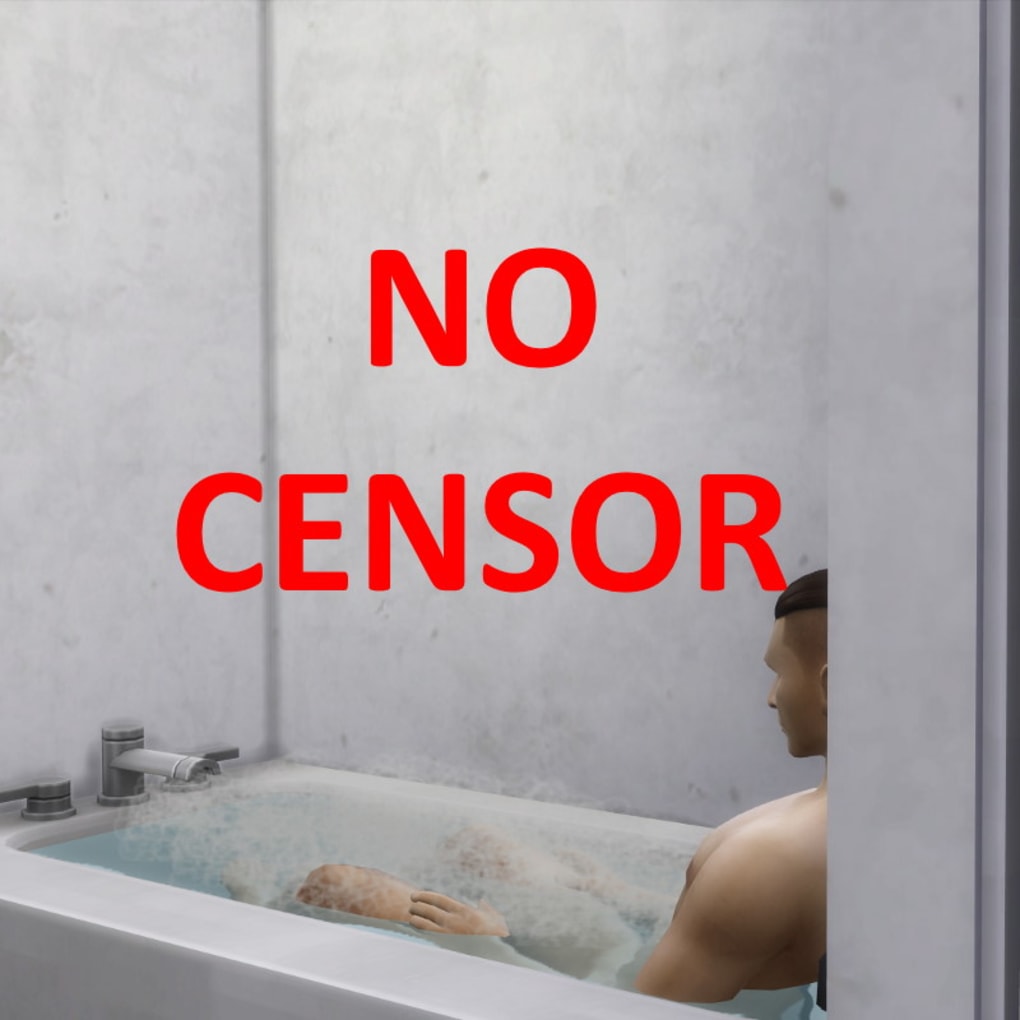
The act of modifying a game’s files, particularly those relating to censorship, treads a fine line concerning legality and ethical considerations. Modifying copyrighted software without permission from the copyright holder is often a violation of intellectual property rights, which carries potential legal ramifications. Therefore, the distribution and use of no-censor mosaics must be carefully considered in relation to the specific legal framework of the user’s jurisdiction.
Impact on User Experience and Gameplay: A Double-Edged Sword
The impact of no-censor mosaics on user experience is a complex and multifaceted issue. For some users, the removal of censorship enhances their enjoyment of the game or software. They might argue that the censorship is unnecessary and detracts from the overall visual aesthetic or narrative experience. In games, removing mosaics might lead to a more immersive and realistic experience, depending on the game’s setting and themes. The removal of pixelation in certain scenarios could also allow for a more accurate representation of reality within the game’s fictional world.
However, the removal of censorship can also have unintended consequences. For example, it might unintentionally reveal assets or content that the developers intentionally obscured for various reasons. These might include incomplete or unfinished game elements, placeholder assets that were never meant to be seen by the player, or content that simply doesn’t fit the overall aesthetic or tone of the game. This could lead to a jarring and disjointed player experience, potentially undermining the developer’s artistic vision.
Furthermore, the removal of censorship could expose players to content they might find offensive or disturbing. The developers’ decisions to censor certain aspects of the game are often driven by considerations of age ratings and market suitability. Removing this censorship might render the game inappropriate for younger audiences or violate platform guidelines, resulting in account suspensions or other penalties. Therefore, the impact on user experience is highly subjective and depends heavily on the individual player’s preferences and tolerance for potentially explicit content.
Ethical Considerations and Legal Ramifications
The development and distribution of no-censor mosaics raise significant ethical concerns. While the arguments for removing censorship often center on artistic expression and freedom, the practice can infringe on the intellectual property rights of the original creators. Moreover, the redistribution of modified software without the developers’ consent constitutes a violation of their rights and could have legal repercussions.
The legal landscape surrounding game modifications varies widely across different jurisdictions. Copyright law generally protects the software code and assets of video games. However, the extent to which modifications are permissible depends on various factors, including the nature of the modification, the use of the modified software, and the specific legal framework in the relevant jurisdiction. Some jurisdictions have more lenient laws regarding modifications for personal use, while others have stricter regulations.
Moreover, the ethical implications extend beyond legal considerations. The removal of censorship might inadvertently lead to the exposure of unintended content, potentially upsetting or offending players. It also bypasses the developers’ creative choices regarding the presentation of their work. Therefore, the act of creating and distributing no-censor mosaics requires a careful balancing of personal freedoms with the rights and intentions of the original creators.
The Broader Context: Censorship, Artistic Expression, and Player Agency
The debate surrounding no-censor mosaics is inextricably linked to broader discussions about censorship, artistic expression, and player agency in video games. Many argue that censorship in video games restricts artistic expression and limits the developer’s ability to fully realize their vision. They see the removal of censorship as a way to reclaim this lost expression, allowing for a more complete and authentic experience.
On the other hand, developers often implement censorship to comply with age ratings and market expectations. They must navigate a complex landscape of regulatory bodies and societal norms, sometimes sacrificing artistic elements to ensure their game reaches a wider audience. The debate, therefore, involves a complex interplay between artistic integrity, commercial considerations, and societal expectations regarding appropriate content.
The issue of player agency is equally important. No-censor mosaics empower players to take control of their gaming experience by modifying the game to their preferences. However, this agency should be exercised responsibly and ethically, respecting the rights of the developers and considering the potential consequences for other players. The discussion underscores the ongoing tension between the freedom to modify and the protection of intellectual property and developer intent.
Conclusion: Navigating the Complexities of Modification
No-censor mosaics represent a complex intersection of technical skill, ethical considerations, legal complexities, and artistic expression. While the removal of censorship can enhance the gaming experience for some, it raises significant concerns regarding intellectual property rights, potential legal repercussions, and the potential for unintended negative consequences. The debate underscores the ongoing tension between player agency, developer intent, and the evolving landscape of digital content modification. A balanced approach is needed, one that respects both the creative rights of developers and the desire of players to personalize their gaming experiences. Ultimately, the ethical and legal implications must be carefully considered before engaging in or distributing no-censor mosaic modifications. Responsible modding practices, respectful of copyright and developer intent, should always be prioritized.
File Information
- License: “Free”
- Version: “1.1.0”
- Latest update: “July 18, 2025”
- Platform: “Windows”
- OS: “Windows 10”
- Language: “English”
- Downloads: “3.7K”
- Size: “878.00 Bytes”


