
No Man’s Sky, developed by Hello Games, is a space exploration and survival game that has captivated players since its release in 2016. Its unique selling proposition is its procedurally generated universe, boasting quintillions of planets, each teeming with unique flora, fauna, and resources. This vastness, coupled with a first-person perspective and immersive graphics, creates an unparalleled sense of scale and wonder, inviting players on a deeply personal journey through the cosmos. But beneath the breathtaking visuals and the promise of limitless exploration lies a complex experience that blends elements of single-player solitude with the subtle presence of a shared universe.
Exploring the Uncharted Depths of Space
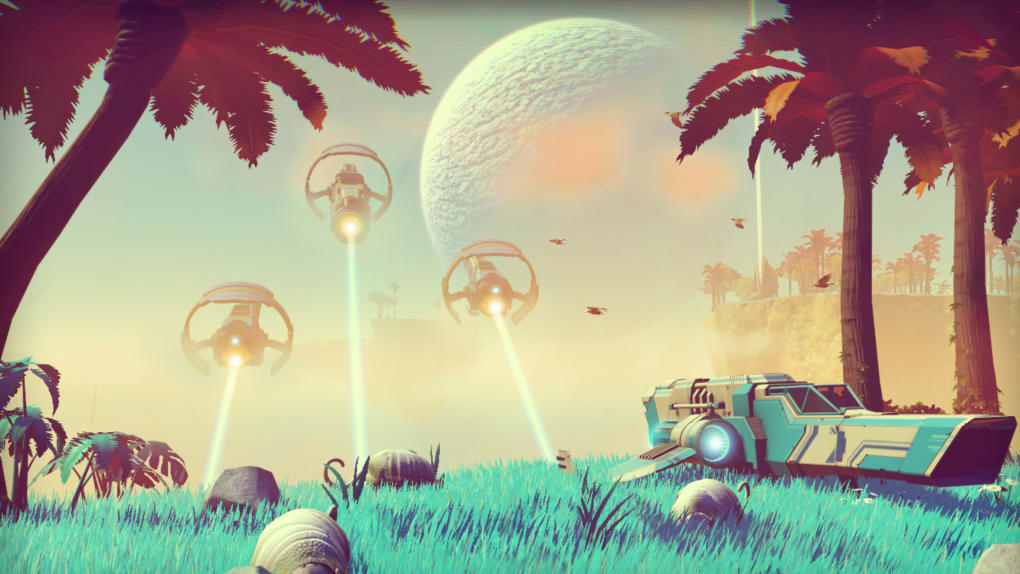
The core gameplay loop of No Man’s Sky revolves around exploration, resource management, and survival. Players begin as a lone spacefarer, navigating the galaxy in their starship, encountering diverse planetary systems, each with its own distinct ecosystem and gravitational pull. Landing on a planet immerses the player in a rich, detailed world, where they must gather resources to sustain themselves, craft equipment, and upgrade their ship. This necessitates a constant interaction with the environment, demanding resourcefulness and careful planning.
The planets themselves are not static entities; they are dynamic and reactive to the player’s actions. Over-exploitation of resources or aggressive behavior towards the planet’s inhabitants can trigger the intervention of sentinels, robotic guardians programmed to protect the ecosystem. This element adds a layer of strategic depth to resource management and emphasizes the consequences of unchecked actions within the game’s delicate ecological balance. The dynamic nature of the game extends beyond the individual player’s experience, as the actions of other players subtly shape the universe. While players rarely, if ever, directly interact with one another, the collective impact of their choices – resource depletion, naming conventions, and even casual exploration – creates a shared, evolving world that feels both vast and intimately connected.
The Illusion of Multiplayer: A Shared Cosmos, Solitary Journey
No Man’s Sky is often mistakenly perceived as a traditional multiplayer game. While technically players inhabit the same universe, the scale is so immense that direct encounters between players are incredibly rare, if not impossible. The game cleverly balances the illusion of a shared experience with the profound sense of solitude inherent in exploring such an expansive, uncharted territory. Two players might land on the same planet, leave their mark, and yet never even cross paths. They might interact with the same non-player characters (NPCs), unknowingly shaping the local economy and environment in parallel, highlighting the interconnectedness of their experiences despite their physical separation.
This carefully crafted sense of isolation underscores the core narrative of No Man’s Sky: the journey of self-discovery in the face of cosmic indifference. The vastness of space, the uncaring stars, and the infinite possibilities for exploration all contribute to a feeling of profound loneliness, a counterpoint to the potential for discovery and wonder. The player is simultaneously a tiny speck in an unfathomable universe and a powerful force capable of shaping the landscapes and the very fabric of the planets they visit.
Expeditions and Updates: Expanding the Universe
Hello Games has consistently supported No Man’s Sky with regular updates, adding new content, features, and game modes. Among these updates are the Expeditions, time-limited events that introduce players to unique storylines, objectives, and rewards. The “Utopia Expedition,” for example, tasks players with restoring a damaged star system, requiring them to complete a series of milestones and phases, culminating in unlocking a unique robot companion.
Another significant update is “Adrift,” which offers a stark contrast to the typical No Man’s Sky experience. It plunges players into a desolate, isolated universe devoid of the usual support networks and interactions. This survival-focused expedition presents a stripped-down, challenging experience, emphasizing the raw struggle for survival in the face of overwhelming loneliness. Completion rewards players with unique items, further enriching the game’s customization options.
The “Worlds Part 1” update stands out as one of the largest and most significant updates in No Man’s Sky’s history. This update drastically overhauled the planetary environments, introducing more detailed volumetric clouds, diverse atmospheric effects (snow, rain, dust storms), and vibrant, dynamic skies. It also allowed players to rename celestial bodies and add more depth to ground combat with an improved UI and the introduction of galactic bug hunts. This update exemplifies Hello Games’ commitment to expanding and refining the game’s core mechanics, continuously improving the overall player experience.
The Visual Masterpiece: A Feast for the Eyes
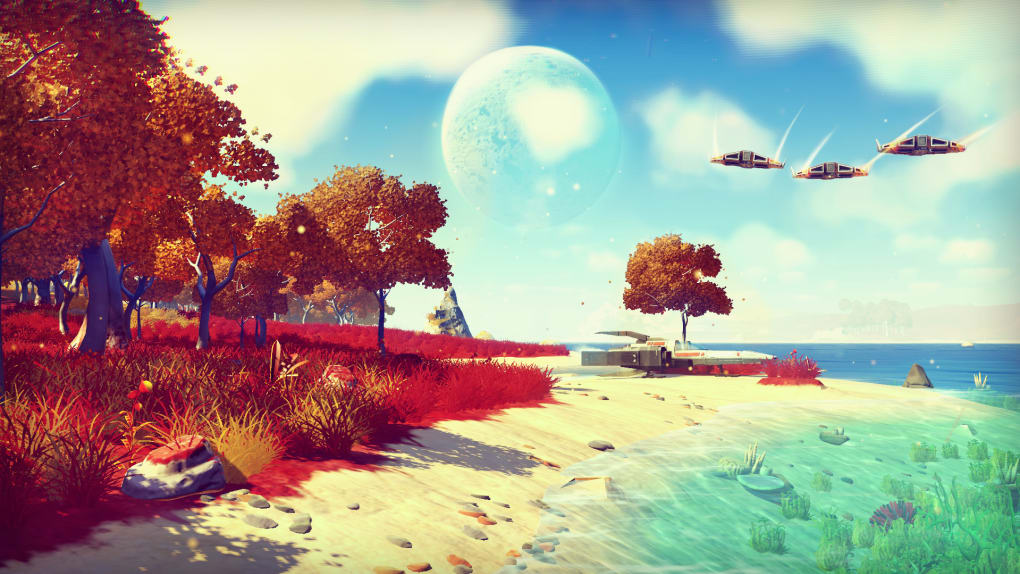
Beyond the gameplay mechanics and the narrative of solitary exploration, No Man’s Sky’s visual fidelity is a significant factor in its appeal. The game boasts stunning graphics, meticulously rendered environments, and highly detailed procedural generation, extending to the very composition of the music players encounter. This attention to detail creates a sense of immersion that enhances every aspect of the experience, from the awe-inspiring vistas of alien planets to the intricate details of the flora and fauna that inhabit them. The use of advanced rendering techniques, like Metal 3 and MetalFX upscaling on compatible platforms, further enhances the visual spectacle, ensuring a breathtaking experience even on less powerful devices, though at the cost of significant storage space. The game beautifully balances its commitment to visual fidelity with its commitment to its procedurally generated universe; even with the highly detailed visual elements, the sense of discovery and wonder remains intact.
No Man’s Sky: A Verdict
No Man’s Sky is not a typical multiplayer game; it is a uniquely designed experience that explores the theme of solitude within a shared universe. It is a game of vast scale and considerable depth, offering players a near-limitless sandbox for exploration, discovery, and survival. While the game’s initial reception was mixed, its continuous updates and consistent improvements have transformed it into a polished, engaging, and deeply rewarding experience. The breathtaking graphics, the intricate procedural generation, and the unique blend of solitary exploration and subtle shared world make it a truly singular title in the gaming landscape. Though it may not appeal to players who prioritize constant interaction with other players, those seeking a deeply personal journey through a breathtakingly vast and ever-evolving universe will find themselves captivated by the endless possibilities within No Man’s Sky.
File Information
- License: “Full”
- Version: “varies-with-devices”
- Latest update: “July 24, 2024”
- Platform: “Windows”
- OS: “Windows 8”
- Language: “English”
- Downloads: “26.9K”


