
In the ever-evolving landscape of indie gaming, where creativity often triumphs over multi-million dollar budgets, a unique phenomenon sometimes emerges: games born from the crucible of a timed challenge. Such is the origin story of No-Snake Hotel, a title that, despite its seemingly whimsical premise, quickly immerses players into a surprisingly effective horror experience. Created by the prolific Two Star Games in response to a demanding YouTube challenge – a full game developed in under 24 hours – No-Snake Hotel stands as a testament to rapid game design, atmospheric tension, and the art of the well-placed jumpscare. Far from being just a rushed project, this free-to-play horror game delivers a potent dose of anxiety and unease, cunningly exploiting a central irony that forms the very backbone of its terror.
The game’s title itself is a paradox, promising an absence that the player intuitively knows will be shattered. Set within the confines of a hotel that proudly advertises its serpentine-free status, the narrative thrust immediately pits expectation against impending dread. Players are cast as a faceless protagonist, navigating the deserted, meticulously rendered corridors of this supposedly safe haven, only to discover that the hotel’s bold claim is, at best, a cruel joke, and at worst, a prelude to a terrifying encounter. Much like its contemporaries in the indie horror sphere, such as Slender: The Arrival or even the more festive Slay Bells, No-Snake Hotel masterfully builds suspense before delivering its impactful, albeit frequent, scares. It beckons players into a confined space, armed with curiosity and a growing sense of vulnerability, ensuring that every creak and shadow holds the potential for a sudden, heart-stopping revelation.
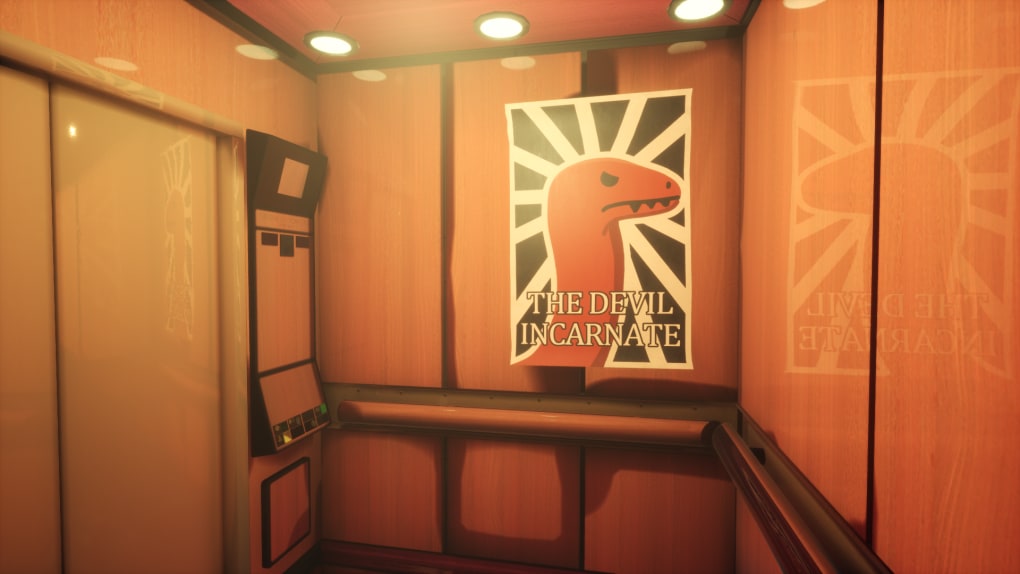
The Deceptive Serenity of a “No-Snake” Sanctuary
From the moment players step into the digital domain of No-Snake Hotel, they are confronted with an environment meticulously crafted to reinforce its central, ironic theme. The hotel, initially appearing as a relatively ordinary, if somewhat sterile, establishment, is adorned with numerous posters and signs emphatically declaring its snake-free status. These visual cues serve a dual purpose: they provide an immediate, albeit false, sense of security, and simultaneously sow the seeds of suspicion. Why such an overabundance of assurances? What are the proprietors so desperately trying to conceal, or perhaps, convince themselves of? This fundamental contradiction is the narrative engine of the game, transforming what could have been a simple exploration into a meta-commentary on perception versus reality.
The player, embodying a faceless protagonist, is granted the freedom to explore the hotel at their own pace. This open-ended approach, within the limited scope of the game, cleverly enhances the immersion and dread. There’s no immediate objective marker or urgent task, only the implicit invitation to wander and uncover. This leisure allows players to absorb the subtle environmental storytelling – the slightly off-kilter decor, the unsettling silence, the persistent, almost mocking, presence of “no snakes allowed” signage. The hotel itself becomes a character, a seemingly benign entity slowly revealing its true, terrifying nature. The posters, initially perceived as quirky marketing, gradually transform into harbingers of the inevitable, each one a grim reminder of the promise that is about to be spectacularly broken.
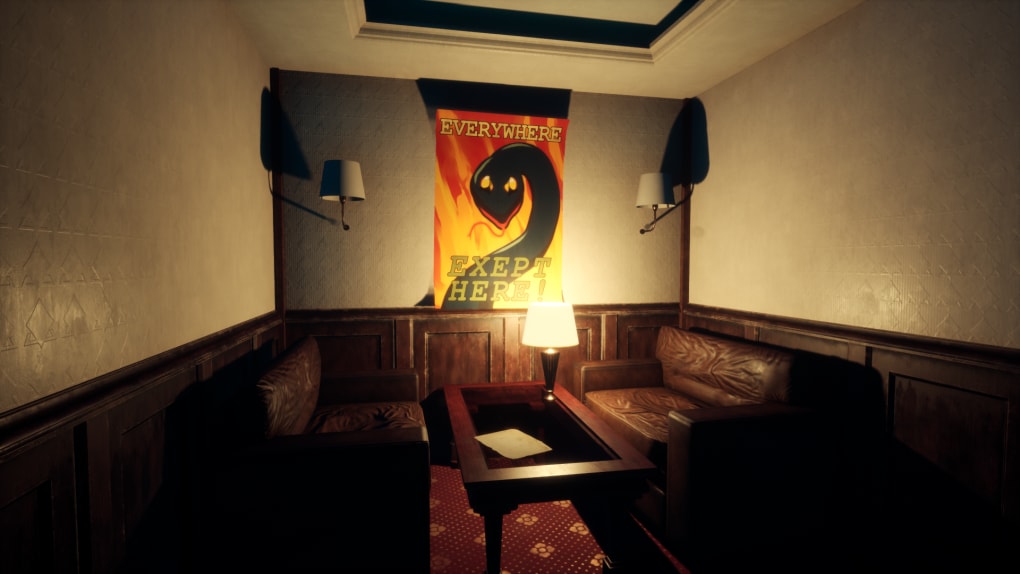
This ironic humor, woven into the very fabric of the premise, is a hallmark of Two Star Games’ approach. It’s an irreverence that disarms the player, making the subsequent scares all the more effective. The initial chuckle at the absurd over-the-top snake deterrence quickly fades as the realization dawns: the humor is a setup, a psychological trick to lower defenses before the true horror is unleashed. This makes the experience particularly compelling for those who appreciate horror that doesn’t take itself too seriously at face value, yet still manages to deliver genuine frights. For a game created in such a short timeframe, the conceptual depth achieved through this ironic premise is remarkably sophisticated, illustrating that innovative ideas can often overshadow extensive development cycles.
Crafting Terror: Visuals, Atmosphere, and Jumpscare Artistry
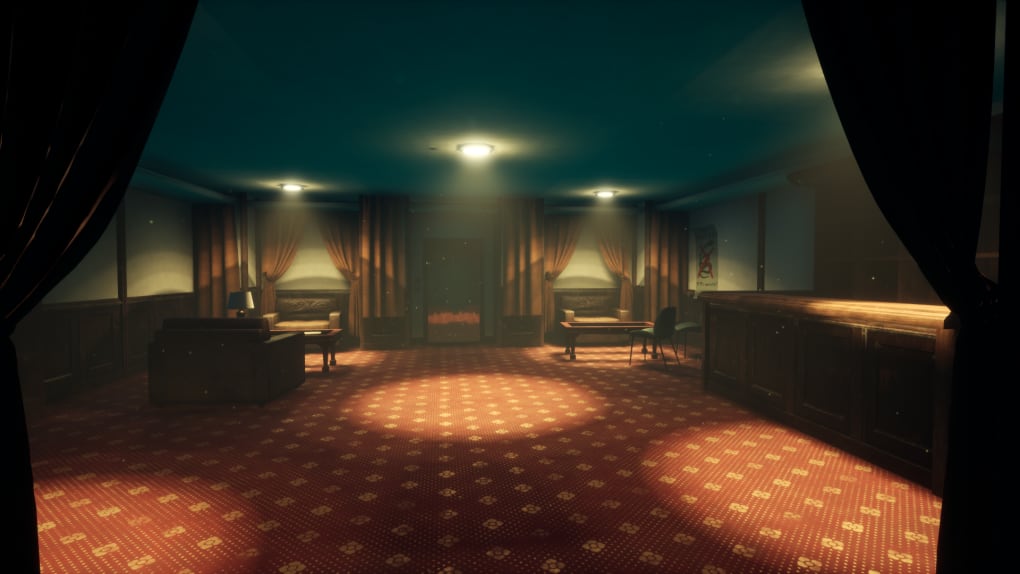
One of the most striking aspects of No-Snake Hotel, especially when considering its expedited development cycle, is its visual fidelity and the expert use of atmospheric design. The game boasts impressive graphics, rendering the accessible parts of the hotel with a surprising level of detail. Textures are sharp, architectural elements are distinct, and the overall aesthetic conveys a sense of realism that belies the game’s indie origins. This visual quality is not merely for show; it is an instrumental tool in constructing the game’s tense and unsettling atmosphere. Every corridor, every room, every dimly lit corner feels tangible and oppressive, drawing the player deeper into its deceptive embrace.
Beyond raw graphical power, No-Snake Hotel excels in its deployment of lighting. The interplay of light and shadow is meticulously orchestrated to create a pervasive sense of unease. Areas are often shrouded in gloom, with harsh artificial lights cutting through the darkness, casting long, distorted shadows that dance with the player’s imagination. This effective use of lighting transforms seemingly innocuous spaces into potential danger zones, making players hesitant to round corners or peer into obscured alcoves. The lighting doesn’t just illuminate; it obscures, distorts, and hints at unseen presences, compelling the player to move cautiously, their senses heightened by the visual ambiguity. It’s a classic horror trope, executed with remarkable precision, proving that well-implemented lighting can be as terrifying as any monster.
Integral to the game’s horror experience are its jumpscares. No-Snake Hotel doesn’t shy away from them; it embraces them as a core component of its scare tactics. While some horror purists might decry over-reliance on jumpscares, in the context of a short, high-impact game designed for immediate effect, they are incredibly potent. The game positions these sudden frights strategically, leveraging the tense atmosphere and the player’s heightened anticipation. The faceless protagonist’s exploration of the deserted halls is a slow burn, building up anxiety through the environment and subtle auditory cues (though not explicitly mentioned, sound design is intrinsically linked to atmospheric horror and jumpscares). This cumulative tension makes the eventual, abrupt appearance of a threat – presumably a snake, or something snake-like – exceptionally impactful. Each jumpscare is designed to elicit a visceral reaction, a quick spike of adrenaline that reaffirms the player’s vulnerability and the game’s effective manipulation of fear.
The effectiveness of these scares can be compared to other titles that master the art of the sudden fright. Games like Slender: The Arrival rely on an evolving sense of dread culminating in abrupt encounters, while Slay Bells utilizes its peculiar setting to deliver unexpected shocks. No-Snake Hotel achieves a similar effect, condensing the horror arc into a concise, impactful burst. The jumpscares aren’t just random; they punctuate the rising tension, providing both a release and a renewed sense of terror, driving home the game’s core conceit that the “snake-free” hotel is anything but.
The Swift Scream: Gameplay, Brevity, and Impact
No-Snake Hotel is, by its very design, a fleeting experience. The developers themselves estimate a playtime of approximately 3-5 minutes, an almost audacious claim in a market often dominated by sprawling, multi-hour epics. However, this brevity is not a flaw; it is a deliberate and crucial aspect of the game’s charm and effectiveness. The simple controls, limited objectives, and streamlined design make it incredibly accessible. Anyone can pick up No-Snake Hotel and immediately grasp its mechanics, diving straight into the horror without the need for extensive tutorials or complex button layouts. This ease of entry makes it a compelling option for players seeking a quick, intense burst of fear without the commitment of a longer game.
The inherent shortness of the game creates a distinct dynamic. It means that every environmental detail, every subtle sound, and every visual cue takes on magnified importance. There’s no wasted space, no filler content. The experience is distilled to its most potent elements: atmosphere, exploration, and sudden frights. While this brevity might be a “con” for players seeking prolonged engagement or deep narrative, it is undeniably a “pro” for its immediate impact. It’s a horror shot, a quick jolt to the system, perfect for a casual playthrough or as a brief, chilling diversion. This focused approach allows the game to achieve maximum scare potential within its minimal runtime, proving that quality of experience can often outweigh quantity of content.
Naturally, the game’s central theme comes with an important caveat: players who suffer from ophidiophobia – the fear of snakes – should exercise extreme caution, or perhaps, steer clear entirely. Despite the game being free, the disturbing scenes involving snakes, or representations thereof, could be genuinely distressing. This specific trigger warning highlights the game’s success in embodying its premise, even if it means alienating a segment of the audience. For those without such a phobia, the game offers a unique opportunity to confront a primal fear in a controlled, albeit intense, virtual environment.
Beyond the Challenge: The Legacy of Instant Horror
The genesis of No-Snake Hotel from a 24-hour YouTube challenge is more than just an interesting tidbit; it speaks to a broader movement within the indie game development community. Such challenges often push developers to their creative limits, forcing them to distill game design to its most essential components. Two Star Games, known for their ability to craft engaging and often unsettling experiences, demonstrated a remarkable aptitude for rapid prototyping and effective horror design under pressure. This approach often results in highly focused games that achieve a single goal with exceptional clarity – in this case, delivering a concise, memorable horror experience centered around a compelling ironic twist.
The success of No-Snake Hotel also underscores the value of free-to-play horror. By removing the financial barrier, the game opens itself up to a wider audience, allowing anyone with a Windows PC to experience its brief yet potent scares. This democratic access contributes to its potential for virality and word-of-mouth recommendations, further cementing its status as a notable entry in the short-form horror genre. For platforms like PhanMemFree, hosting such titles is a way to showcase innovative indie development and provide users with diverse gaming experiences.
When looking at alternatives or similar experiences, No-Snake Hotel carves out its own niche. While titles like The Shadow Over Route 80 offer solitary horror adventures, and The Floor Is Breathing focuses on atmospheric dread, No-Snake Hotel stands out due to its unique premise and its origin story. Games like Perfect Vermin, another short, impactful horror experience, share the philosophy of delivering maximum fright in minimum time. Even broader narrative-driven games like The Stanley Parable: Ultra Deluxe, while not horror, share a meta-commentary aspect that No-Snake Hotel subtly employs with its “no-snake” irony. These comparisons highlight No-Snake Hotel’s place within a vibrant ecosystem of games that challenge conventional notions of playtime and narrative scope.
In conclusion, No-Snake Hotel is far more than just a hastily assembled challenge entry. It is a finely tuned horror experience that maximizes its impact through ingenious premise, effective visual design, and strategically deployed jumpscares. Its brevity, rather than being a weakness, is its greatest strength, ensuring a concentrated burst of fear that leaves a lasting impression. For anyone seeking a quick, compelling horror fix – provided they aren’t unduly afraid of snakes – this free offering from Two Star Games remains a shining example of what can be achieved when creativity, constraint, and a dash of dark humor collide. Downloadable from reputable platforms such as Phanmemfree.org, it continues to serve as a fascinating case study in rapid game development and the enduring appeal of well-crafted digital terror.
File Information
- License: “Free”
- Version: “1.0”
- Latest update: “August 22, 2022”
- Platform: “Windows”
- OS: “Windows 8.1”
- Language: “English”
- Downloads: “2.1K”
- Size: “495.57 MB”


