
NoteWorthy Composer (32-bit) is a discontinued music notation software designed for Windows operating systems. While no longer actively developed or supported, it remains a noteworthy piece of software history, offering a glimpse into the evolution of digital music composition tools. This review examines its features, limitations, and historical context, considering its legacy in the broader landscape of music software.
A Retrospective Look at NoteWorthy Composer’s Functionality
NoteWorthy Composer, at its peak, provided a comprehensive suite of tools for creating and editing musical scores. Its primary function centered around music notation, allowing users to input notes, rests, and various musical symbols with a relatively user-friendly interface (considering the technological limitations of its era). The software supported multiple staves, allowing for complex arrangements involving multiple instruments or voices. Users could adjust note values, add articulations (such as staccato or legato markings), and incorporate dynamic markings (crescendo, diminuendo, etc.) to shape the expressive character of their compositions.
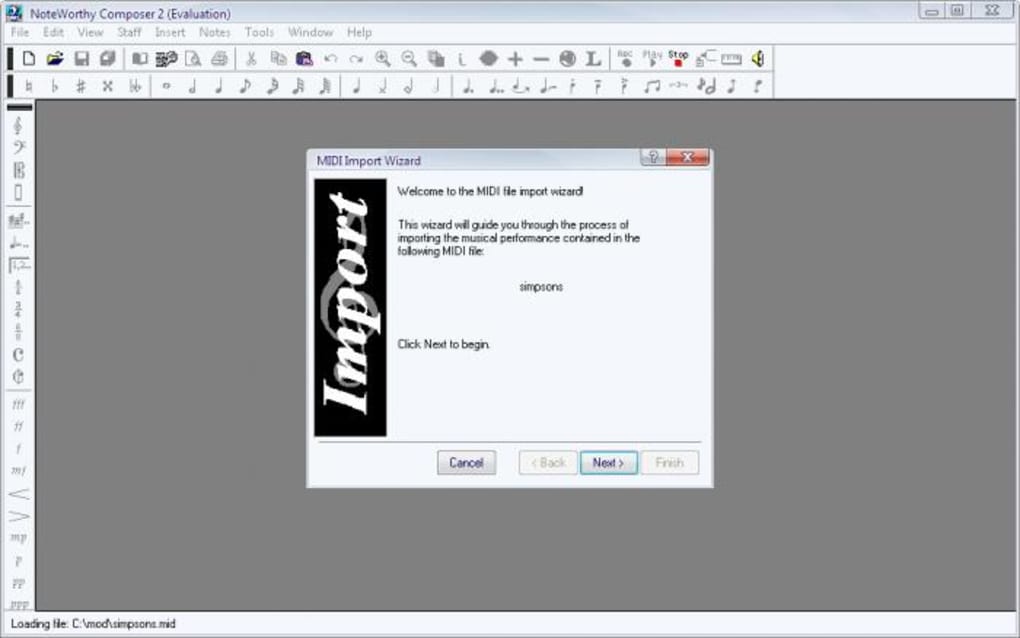
The software also offered features for creating different musical elements beyond basic notation. These may have included the ability to add chords, lyrics, and various symbols representing musical techniques. The extent of these features varied across different versions. While not a full-fledged Digital Audio Workstation (DAW), it likely allowed for some level of playback, enabling users to hear a rudimentary rendition of their compositions. This playback functionality likely served as a crucial tool for composers seeking to test their arrangements before more advanced production processes.
While the software’s user interface is undoubtedly outdated by today’s standards, its core functionality aimed to provide a streamlined pathway for musical score creation. This made it a valuable tool for composers, arrangers, and students seeking a relatively accessible approach to digital music notation. The lack of advanced features compared to modern software is understandable, given the limitations of 32-bit architecture and the comparatively nascent state of digital audio technology during its development period.
System Requirements and Compatibility: A Legacy of 32-bit Technology
One of the most significant limitations of NoteWorthy Composer (32-bit) is its inherent compatibility constraints. The “32-bit” designation in the title highlights its reliance on older operating system architectures. This means the software is incompatible with modern 64-bit systems without employing compatibility layers, which might introduce instability or performance issues. Furthermore, its support for Windows 95 and prior versions suggests a significant age and potential incompatibility with contemporary hardware and drivers. This limitation effectively restricts its usability to users who maintain older computer systems or are specifically seeking a software that operates within these historical parameters.
The limited system requirements, while potentially beneficial for users with older hardware, also translate to a lack of modern features and optimizations. Current music notation software leverages the power of 64-bit architectures to handle larger, more complex scores with greater efficiency. NoteWorthy Composer (32-bit), being constrained by its architecture, may suffer from performance limitations when dealing with scores of significant size or complexity.
Furthermore, the lack of updates and developer support renders the software vulnerable to potential security risks and compatibility problems with current operating systems and hardware drivers. Users should exercise caution when utilizing older software and consider the potential risks associated with outdated security protocols.
NoteWorthy Composer in the Context of Music Software Evolution
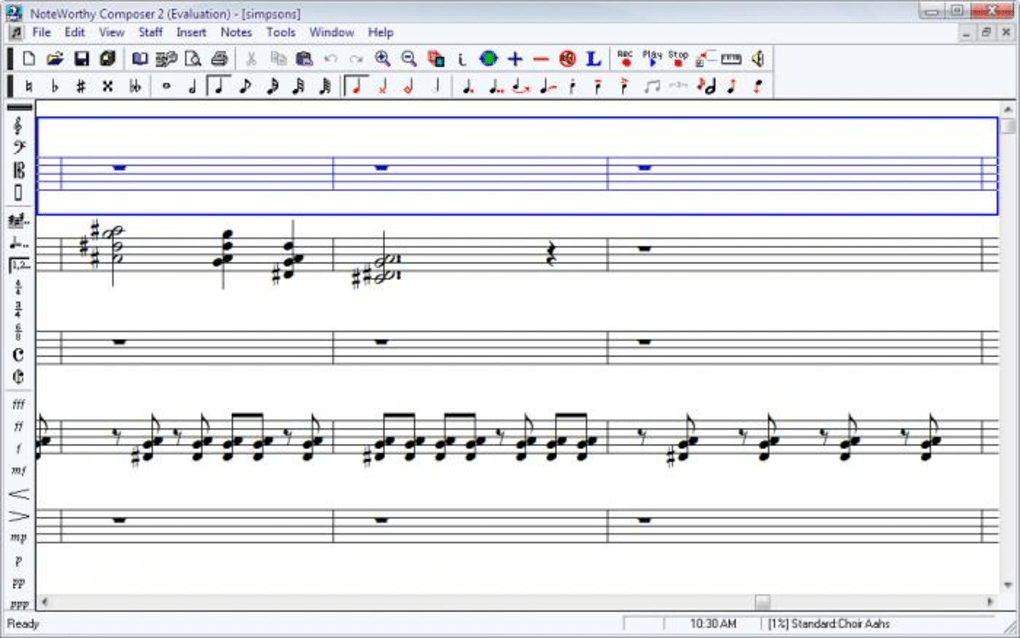
NoteWorthy Composer (32-bit) occupies a specific niche within the history of music notation and composition software. Its release predates the widespread adoption of powerful, feature-rich DAWs and sophisticated music notation software. It served as a bridge between traditional pen-and-paper methods and the burgeoning world of digital music creation. Its functionalities, although limited compared to current software, represented a significant advancement in accessibility for composers.
The software’s relative simplicity may have appealed to a specific user base. Individuals who prefer a less complex interface, or those working with older hardware, could have found it to be a suitable tool. However, the absence of advanced features, such as sophisticated MIDI integration, extensive sound libraries, or collaborative capabilities found in modern software, significantly restricts its appeal in the current market.
Comparing it to contemporary alternatives like MuseScore, Sibelius, or Finale, NoteWorthy Composer (32-bit) lacks the extensive capabilities and features that define modern music composition software. These modern counterparts often feature advanced scoring tools, comprehensive MIDI implementation, integrated sound libraries, and collaborative platforms, all absent in the older 32-bit application.
User Reviews and Community Feedback: A Legacy of Appreciation
While no longer actively updated, online reviews and user comments offer valuable insight into the user experience with NoteWorthy Composer (32-bit). Positive reviews often highlight its ease of use, especially for users who learned the software early in their musical journey. Some users may have found its straightforward interface more intuitive than the often-complex interfaces of more modern software. For them, the software held sentimental value, becoming an integral part of their music composition process.
However, negative comments frequently mention the software’s limitations, primarily its age and lack of compatibility with modern systems and software. The absence of active support also generates concern for users who encounter technical difficulties. The lack of updates and patches means bugs and vulnerabilities remain unresolved.
The user feedback reflects the historical context of the software. While appreciated by some for its simplicity and role in their musical development, its limitations make it unsuitable for professional use or complex projects in the modern context. The software’s historical significance is undeniable, but its practical utility in contemporary music production is significantly reduced.
Conclusion: A Historical Artifact in the Digital Music Landscape
NoteWorthy Composer (32-bit) stands as a historical artifact in the evolution of digital music creation. While no longer a viable option for contemporary music composition due to its limitations in compatibility, features, and security, it played a significant role in making music notation more accessible in its time. Its legacy lies not in its current functionality, but in its contribution to the development of digital music tools and the experiences it provided to a generation of composers. Its existence serves as a reminder of the rapid advancements in technology and the ever-evolving landscape of music software. For historical context and specific nostalgia, it might hold a certain charm, but for practical use in 2024, more modern and robust alternatives are undoubtedly preferable.
File Information
- License: “Trial version”
- Version: “2.51”
- Latest update: “September 24, 2020”
- Platform: “Windows”
- OS: “Windows 2000”
- Language: “English”
- Downloads: “25.2K”
- Size: “1.01 MB”


