
NVIDIA PhysX is a venerable and still-relevant open-source physics engine developed by NVIDIA as part of its GameWorks suite. While newer technologies have emerged, PhysX continues to play a significant role in game development and remains a powerful tool for creating realistic physics simulations in various applications. This article delves into the history, functionality, pros and cons, and lasting impact of this influential software development kit (SDK).
What is NVIDIA PhysX?
At its core, NVIDIA PhysX is a multi-threaded physics simulation SDK designed for rendering realistic computer graphics, primarily for video games but with applications extending far beyond the gaming world. It excels at simulating a wide array of physical phenomena, including:
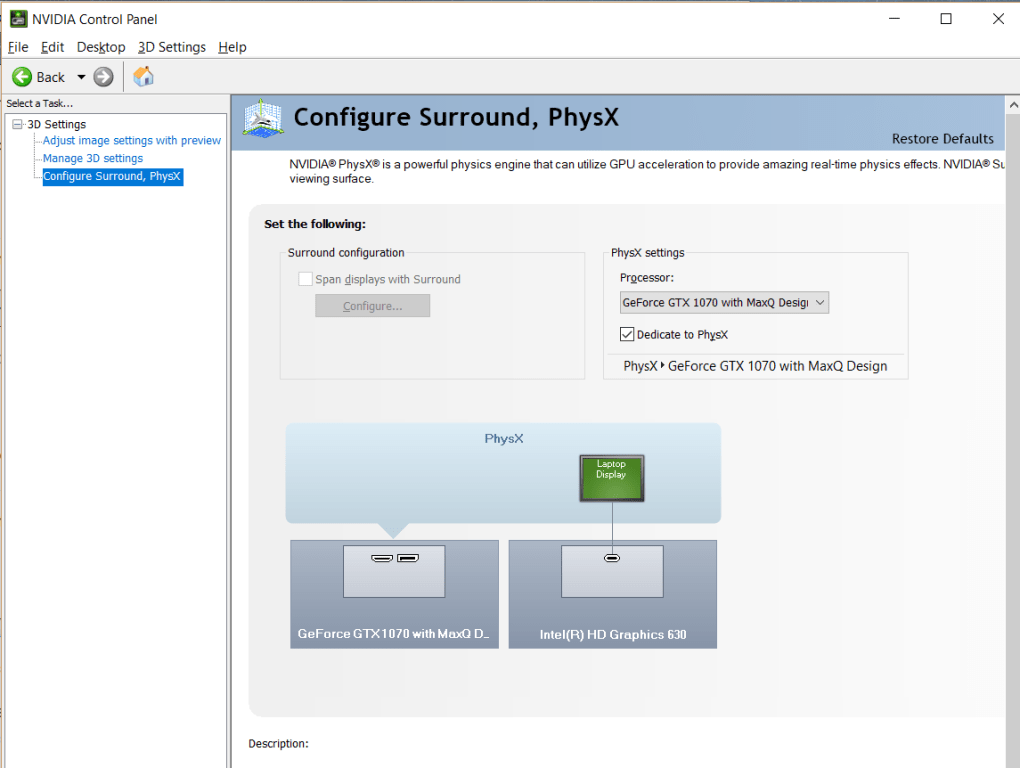
-
Rigid Body Dynamics: PhysX accurately models the movement and interactions of solid objects, calculating collisions, forces, and momentum transfers. This allows for realistic depictions of objects falling, bouncing, colliding, and interacting with each other in complex ways.
-
Soft Body Dynamics: Beyond rigid bodies, PhysX can also simulate deformable objects, like cloth, flesh, or other materials that can bend, stretch, and compress. This adds a layer of realism crucial for characters and environments with intricate details.
-
Fluid Dynamics: The engine enables the simulation of liquids and gases, including water, smoke, and fire. PhysX uses sophisticated algorithms to create realistic fluid behaviors, such as waves, splashes, turbulence, and other dynamic effects.
-
Particle Systems: PhysX employs particle systems for creating effects such as dust, sparks, and rain. These systems generate numerous individual particles that interact with each other and the environment, adding significant visual fidelity.
-
Destruction Physics: A particularly impressive feature is the ability to simulate destruction, allowing for the realistic disintegration of objects under stress. This ranges from simple cracking and shattering to more complex destruction models.
The SDK’s value extends beyond its ability to simulate these individual phenomena. Its true power lies in its ability to seamlessly integrate these effects, creating complex and believable interactions within a single environment. A scene might feature rigid objects colliding, causing debris (particle system), splashing water (fluid dynamics), and potentially causing structural damage (destruction physics) – all managed through the cohesive PhysX engine.
PhysX’s Role in Game Development and Popular Games
PhysX has become a mainstay in game development, integrated into numerous popular game engines such as Unreal Engine and Unity, making it accessible to a vast community of developers. Its presence can be seen in some of the most critically acclaimed and commercially successful AAA titles. While specific implementations vary, the engine has been instrumental in creating realistic and visually stunning gameplay experiences. Some notable examples include:
-
The Witcher 3: Wild Hunt: PhysX powered various environmental effects, contributing to the game’s immersive and richly detailed world. The interactions of objects in the environment felt significantly more realistic due to the accurate physics simulations.
-
Batman: Arkham Knight: The game’s impressive destruction physics, enabling the disintegration of buildings and vehicles, benefited significantly from PhysX. The sense of scale and impact in combat sequences was greatly enhanced by this technology.
-
Warframe: PhysX played a crucial role in enhancing visual effects, particularly in the portrayal of special abilities and environmental interactions. The fluid and particle effects helped create a visually striking and engaging experience.
The integration of PhysX isn’t limited to visually stunning effects; it also extends to gameplay mechanics. For instance, realistic ragdoll physics for characters adds to the sense of immersion and impact of combat, while the simulation of vehicle physics improves driving or flying mechanics. Therefore, the benefits extend far beyond merely aesthetics, shaping player experience on multiple levels.
Hardware and Software Compatibility: Then and Now
PhysX’s history is intrinsically linked to NVIDIA’s GPU development. The engine was heavily optimized for NVIDIA GPUs, offering significant performance gains on compatible hardware. Beginning with the 9-series GPUs based on the Tesla architecture and continuing through the 20-series based on the Pascal architecture, NVIDIA actively integrated PhysX support into its hardware.
While newer NVIDIA GPU architectures may not rely on PhysX to the same extent, its legacy remains significant. The open-source nature of PhysX allows for continued development and adaptation, meaning it remains relevant even as NVIDIA shifts its focus to other technologies. This sustained development ensures compatibility with a wide range of software and hardware. This doesn’t mean that all the processing burden is offloaded to the CPU. While the reliance on dedicated GPU processing might have reduced, the CPU still plays a significant role in the calculation and rendering of PhysX effects, especially in older games.
Advantages and Disadvantages of Using NVIDIA PhysX
Like any technology, PhysX presents both advantages and disadvantages. Understanding these trade-offs is crucial for developers and gamers alike.
Advantages:
-
Realistic Physics Simulations: PhysX provides a highly robust and efficient way to implement realistic physics, exceeding the capabilities of many alternative engines. The level of detail and realism achieved through its simulations greatly enhances immersion and believability in applications.
-
Wide Industry Adoption and Support: Its extensive integration into major game engines and its widespread use in AAA games signify its robust support and extensive community knowledge. This makes it easier to find resources, tutorials, and troubleshooting assistance.
-
Open-Source Availability: The open-source nature of PhysX offers a degree of flexibility and customization not available with proprietary alternatives. Developers can adapt the code to meet specific needs, and the community contributes to its continuous improvement.
-
Performance Optimization: While the GPU offloading has diminished, PhysX remains efficiently designed and optimized, providing a balance between realistic physics and performance. For modern hardware, the performance impact is generally manageable.
Disadvantages:
-
Hardware Dependence (Historically): While this is less of an issue now, in the past, PhysX’s close ties to NVIDIA GPUs meant that the best performance was only guaranteed on NVIDIA hardware. This can still be a factor, although often mitigated by CPU-based processing.
-
Resource Intensive (Potentially): Depending on the complexity of the simulation, PhysX can be resource-intensive, requiring significant processing power. This is particularly true for simulations involving large numbers of objects, complex interactions, or high levels of detail.
-
Older Technology: While actively developed, PhysX is not the most recent physics engine on the market. Newer engines may offer features or optimizations that surpass PhysX in specific areas.
-
Limited Support for Older Hardware: While compatibility is broader than it once was, there can still be compatibility issues with extremely outdated hardware.
Conclusion: The Enduring Legacy of NVIDIA PhysX
Despite the emergence of newer physics engines and evolving hardware trends, NVIDIA PhysX continues to be a significant force in the world of game development and other 3D applications. Its open-source nature, robust simulation capabilities, and widespread adoption across major game engines ensure its enduring relevance. While its reliance on dedicated GPU processing has lessened over time, its flexible architecture and continued development allow it to adapt to changing hardware and software landscapes, securing its place as a powerful and influential physics engine for years to come. For gamers and developers alike, understanding its capabilities and limitations remains important in leveraging its potential for creating believable and immersive experiences.
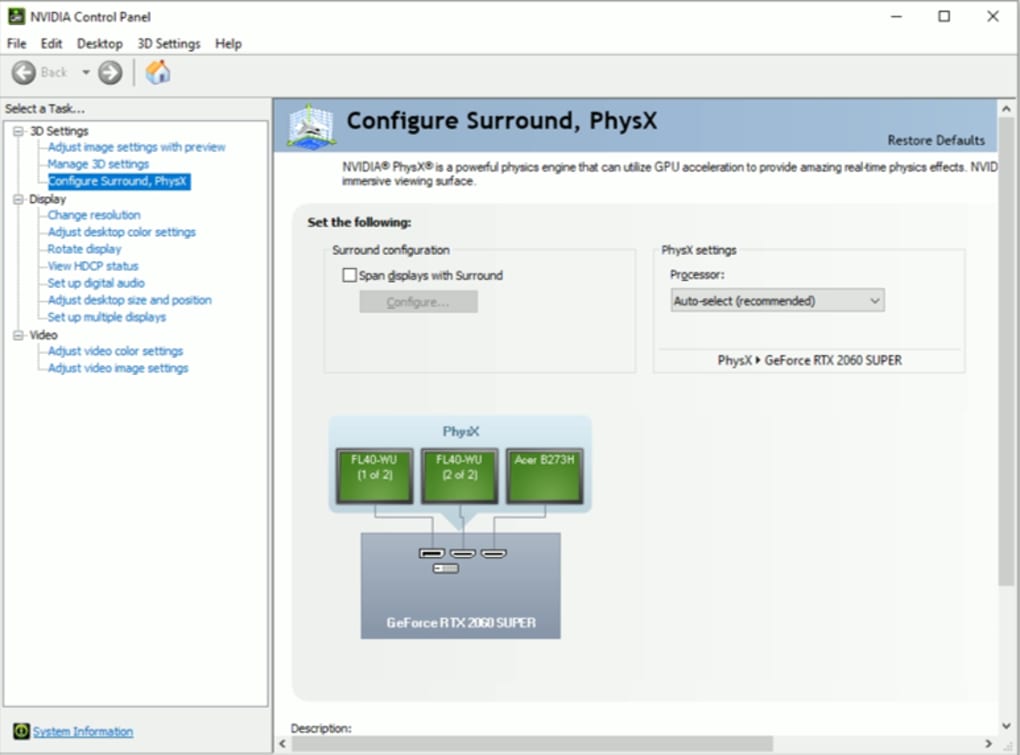
File Information
- License: “Free”
- Version: “9.19.0218”
- Latest update: “July 15, 2022”
- Platform: “Windows”
- OS: “Windows XP”
- Language: “English”
- Downloads: “7.7K”
- Size: “29.58 MB”


