
Nvu, a now-defunct but once-popular open-source What You See Is What You Get (WYSIWYG) web editor, held a significant place in the early to mid-2000s web development landscape. While no longer actively maintained, its legacy provides a fascinating case study in the evolution of web development tools and the challenges faced by open-source projects. This article will explore Nvu’s history, features, impact, and ultimately, its demise.
Nvu’s Core Functionality and Target Audience
Nvu was designed to simplify the process of creating and editing web pages, catering to users with varying levels of HTML knowledge. Its WYSIWYG interface allowed users to visually construct web pages by dragging and dropping elements, formatting text, and inserting images, all without needing extensive coding expertise. This visual approach contrasted with the more technical method of directly writing HTML code, making web development accessible to a broader audience.
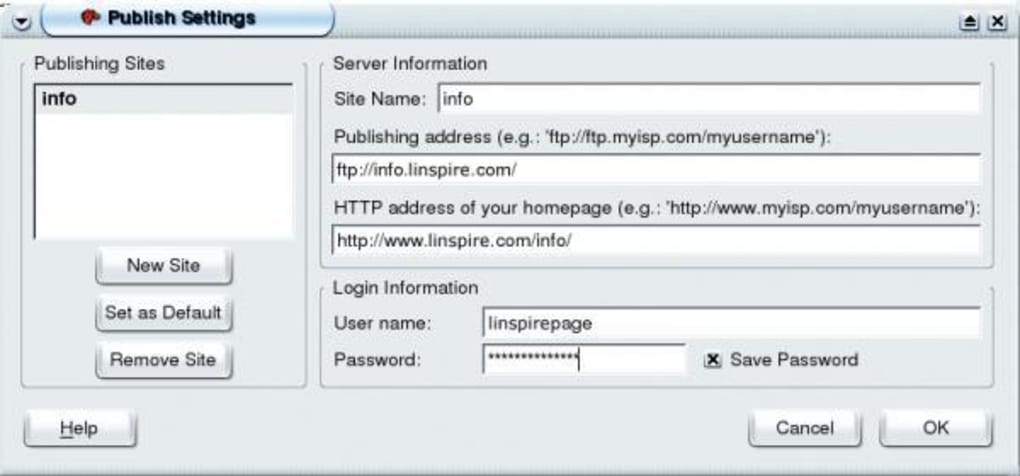
The program offered a standard set of features expected from a WYSIWYG editor:
- Visual Editing: The core strength of Nvu was its intuitive visual editor. Users could format text using familiar tools like bold, italics, and headings, without needing to manually write HTML tags. This streamlined the creation of visually appealing content.
- Element Insertion: Users could easily insert various HTML elements such as images, tables, lists, and forms using intuitive dialog boxes. This removed the need for manual HTML coding for common web page components.
- Site Management: Nvu included a built-in site manager, allowing users to manage multiple web pages within a single project. This functionality helped organize larger websites and streamline the publishing process.
- CSS Support: Although the extent of its CSS support is debated, Nvu allowed for some level of CSS styling, enabling users to customize the visual appearance of their web pages beyond the basic formatting options.
- Cross-Platform Compatibility: Originally, Nvu boasted cross-platform compatibility, supporting both Windows and Mac operating systems. This expanded its potential user base.
- Open-Source Nature: Nvu’s open-source nature (licensed under the GPL) fostered community involvement, allowing for contributions to its development and fostering a sense of collaboration among developers.
The primary audience for Nvu comprised individuals and small businesses who lacked extensive programming skills but needed to create and maintain websites. It offered a viable alternative to more complex and code-intensive methods of web development. Its ease of use made it particularly appealing to beginners, educators, and those who preferred a visual approach over manual coding.
Nvu’s Technical Aspects and Limitations
While Nvu offered a user-friendly interface, it also faced limitations:
- Limited CSS Support: Compared to modern WYSIWYG editors, Nvu’s CSS support was relatively basic. Advanced CSS techniques and complex layouts could prove challenging to implement.
- XHTML Compliance: Nvu aimed for XHTML compliance, which, at the time, was a relatively new standard. This focus sometimes caused compatibility issues with older browsers or those that did not fully support XHTML.
- Performance Issues: As with many early WYSIWYG editors, Nvu occasionally experienced performance issues, particularly when working on large or complex web pages.
- Lack of Advanced Features: Nvu lacked many advanced features found in professional-grade web development tools. Features such as version control, robust debugging tools, and sophisticated templating systems were absent.
- Maintenance and Updates: The open-source nature, while beneficial, also contributed to its ultimate decline. The lack of consistent maintenance and updates eventually led to security vulnerabilities and incompatibility with newer web technologies.
Nvu’s Impact and Legacy
Despite its limitations, Nvu made a notable contribution to the web development landscape:
- Accessibility: It significantly lowered the barrier to entry for individuals interested in creating websites without extensive programming knowledge. Its intuitive interface empowered a broader range of users to participate in web development.
- Open Source Advocacy: Nvu served as a positive example of the potential of open-source software in the web development sector. Its GPL license encouraged community participation and provided a platform for collaborative development.
- Educational Value: Nvu’s simplicity made it a suitable tool for educational purposes, teaching basic web development principles to students without overwhelming them with complex code.
- Community Building: The open-source nature fostered a community of users and developers who actively contributed to its development, providing support, bug fixes, and enhancements.
Nvu’s Decline and the Rise of Alternatives
Despite its initial popularity, Nvu eventually faded from relevance. Several factors contributed to its decline:
- Lack of Active Development: The project lacked consistent and dedicated maintenance and updates. This led to several issues: incompatibility with newer web standards, security vulnerabilities, and a lack of new features to compete with modern web development tools.
- Competition from Commercial and Open Source Alternatives: The market saw the emergence of robust and feature-rich WYSIWYG editors, both commercial (like Adobe Dreamweaver) and open-source (like KompoZer), many offering more advanced features and active development.
- Shifting Web Development Landscape: The web development landscape shifted significantly. The rise of content management systems (CMS) like WordPress and the increasing importance of frameworks like React, Angular, and Vue.js reduced the need for standalone WYSIWYG editors for many developers. These frameworks offered more control over the website’s functionality and appearance.
- Security Concerns: The lack of updates left Nvu vulnerable to security exploits. This posed a significant risk to users, especially those using it to manage live websites.
Ultimately, Nvu serves as a valuable reminder of the challenges faced by open-source projects in maintaining relevance and competitiveness in a rapidly evolving technological landscape. While its active development phase ended, its impact on making web development more accessible to a wider audience remains a noteworthy contribution to the history of the web. The ease of use it provided for beginners laid the foundation for many users to delve into more sophisticated web development techniques and technologies later on. Its simplicity also meant it served as an excellent stepping stone for beginners to learn about the fundamentals of HTML and web design. While it may be outdated, its legacy stands as a testament to the power of open-source collaboration and the democratization of web development.
File Information
- License: “Free”
- Version: “1.0”
- Latest update: “February 22, 2006”
- Platform: “Windows”
- OS: “Windows XP”
- Language: “English”
- Downloads: “81.8K”
- Size: “6.89 MB”


