
In 2018, the availability of offline FM radio applications marked a significant step in mobile accessibility. The promise of enjoying your favorite radio stations without an internet connection or earphones was alluring, and several apps emerged to meet this demand. One such app, “Offline FM Radio Without Earphone 2018,” attempted to deliver on this promise, offering a platform for accessing various FM radio stations globally. However, like many early attempts at providing such functionality, it presented both advantages and limitations. This article delves into the app’s features, strengths, weaknesses, and the broader context of offline FM radio technology in 2018.
Functionality and Features: Promises and Realities
The core functionality of “Offline FM Radio Without Earphone 2018” revolved around providing access to a diverse range of FM radio stations without requiring an internet connection. The app’s developers touted a large library of over 100 stations, categorized by location (country), genre (music, sports, etc.), and language. This ambitious scope aimed to cater to a wide range of user preferences, offering a potentially diverse listening experience irrespective of geographical location or internet connectivity.
The user interface (UI) was designed for ease of navigation, allowing users to quickly locate stations based on their preferred criteria. The app incorporated a practical timer feature, enabling users to set a sleep timer for automatically shutting off the audio after a specified duration. This was particularly beneficial for those who enjoyed listening to the radio before sleep but often forgot to turn it off manually.
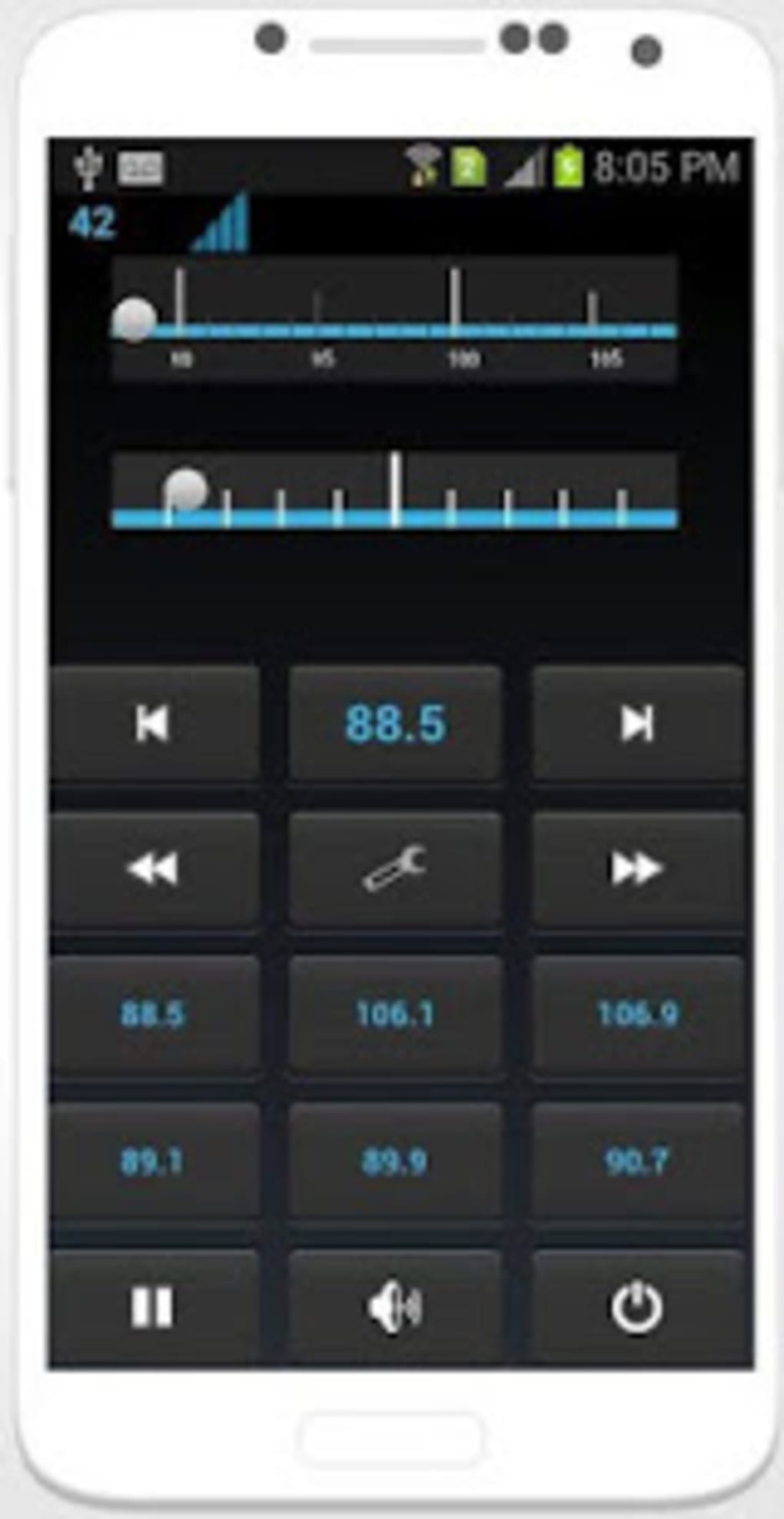
However, the app’s reliance on a user-maintained database introduced inherent limitations. Stations could be removed without prior notice, resulting in inconsistencies in availability. Furthermore, the quality of streaming varied significantly, with some stations experiencing playback delays, particularly those located overseas. These issues highlighted the challenges associated with managing a decentralized, user-contributed database of radio streams. The need to switch radio servers to resolve playback issues underscored the app’s technological limitations in ensuring consistent, high-quality streaming across all listed stations.
The Technical Challenges of Offline FM Radio
The development of offline FM radio apps in 2018 faced significant technological hurdles. Unlike online streaming services that rely on a centralized server infrastructure, offline applications needed to overcome the limitations of local radio signal reception and storage. This required careful consideration of various factors:
-
Signal Strength and Reception: The strength of the FM radio signal directly impacted the quality of audio reproduction. Variations in signal strength due to geographical location, building materials, and atmospheric conditions could result in poor sound quality or complete signal loss. The app couldn’t control these external factors.
-
Data Storage and Management: Storing a comprehensive library of radio streams locally would require substantial storage space on the user’s device. The app needed to balance the size of the database with the storage capacity of typical smartphones available in 2018. Moreover, managing updates and ensuring the accuracy of the database was a continuous challenge.
-
Licensing and Copyright: The legal landscape surrounding the broadcasting and distribution of radio content was complex. Obtaining necessary licenses and ensuring compliance with copyright regulations was crucial for maintaining the app’s legality. The app’s reliance on a user-maintained database potentially introduced issues related to copyright infringement.
-
Hardware Limitations: The capabilities of mobile device hardware in 2018 also placed limitations on the performance of offline FM radio apps. Processor speed, memory capacity, and radio receiver sensitivity all played a role in the app’s functionality and overall user experience.
Addressing these technological challenges required innovative approaches to signal processing, data compression, and database management. The “Offline FM Radio Without Earphone 2018” app, while attempting to address the demand, revealed that these challenges were not fully overcome in 2018.
App Review: Pros and Cons
The app’s user reviews (or lack thereof) at the time would likely have reflected a mixed response. Based on its features and limitations, we can analyze its strengths and weaknesses:
Pros:
-
Offline Access: The core functionality of providing offline access to radio stations was undoubtedly a key advantage, particularly for users in areas with limited or unreliable internet connectivity.
-
Extensive Station Library: The availability of over 100 stations, even with inconsistencies, represented a relatively broad selection compared to some competitors.
-
User-Friendly Interface: A well-designed UI significantly enhances user experience, and the app’s focus on ease of navigation was a positive aspect.
-
Sleep Timer: The inclusion of a sleep timer was a practical feature appreciated by many users.
Cons:
-
Unreliable Station Availability: The removal of stations without prior notice was a major drawback, leading to frustration and inconsistency for users.
-
Playback Delays and Poor Audio Quality: Issues with playback delays, particularly for international stations, diminished the quality of the listening experience.
-
Dependence on User-Generated Content: Relying on a user-maintained database introduced significant risks concerning accuracy, consistency, and copyright compliance.
-
Lack of Centralized Support: The absence of a centralized mechanism for resolving issues and providing user support would have limited the app’s ability to address technical problems and user complaints effectively.
Alternative Approaches and Future Developments
The limitations of “Offline FM Radio Without Earphone 2018” highlighted the need for more sophisticated approaches to offline FM radio. Subsequent developments in mobile technology and radio streaming techniques have addressed some of these challenges.
-
Improved Signal Processing: Advances in signal processing algorithms have enhanced the ability to filter out noise and improve audio quality even in weak signal conditions.
-
Efficient Data Compression: More efficient data compression techniques allow for storing larger databases of radio streams while minimizing storage space requirements.
-
Cloud-Based Databases: Shifting to cloud-based databases allows for centralized management and ensures consistent station availability.
-
Enhanced Licensing and Copyright Management: More robust systems for managing licensing and copyright compliance have reduced the risks associated with distributing radio content.
The evolution of offline FM radio technology has resulted in significantly improved apps that offer more reliable service, broader station coverage, and a more seamless user experience. While “Offline FM Radio Without Earphone 2018” represented an early attempt in this space, it serves as a reminder of the technical challenges and the iterative process required to provide a successful and user-friendly offline radio listening experience. The subsequent improvements in the field reflect the ongoing effort to provide greater accessibility and a higher-quality experience for users worldwide.
File Information
- License: “Free”
- Version: “0.60”
- Latest update: “May 14, 2025”
- Platform: “Android”
- OS: “Android 9.0”
- Language: “English”
- Downloads: “62.5K”
- Size: “4.47 MB”
- Download Options: “APK, Google Play”
- Filename: “Offline_FM_Radio_Without_Earphone_2018_v0.60.apk”


