
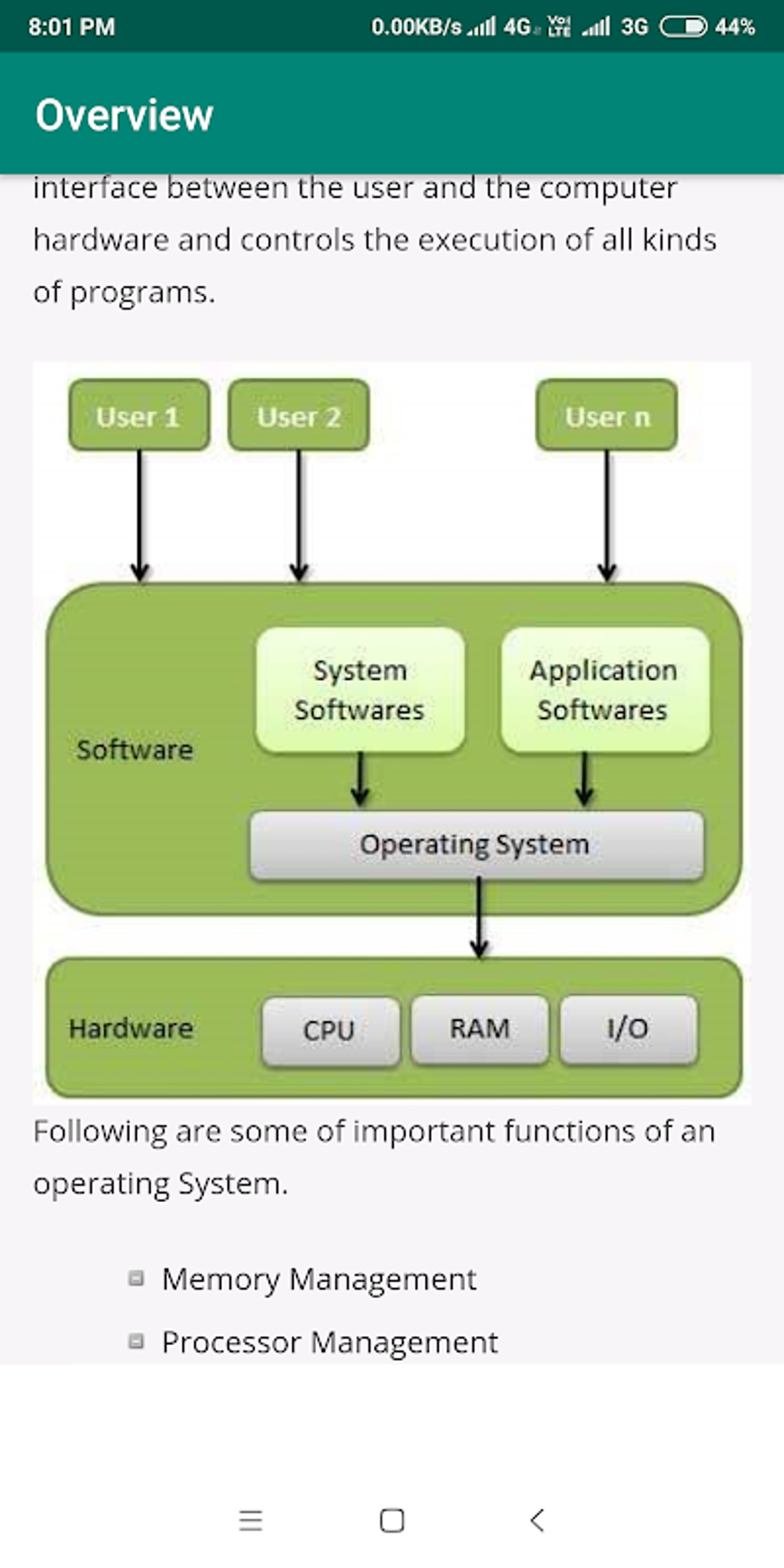
The operating system, or OS, is the fundamental software that manages all hardware and software resources on a computer. It acts as an intermediary between the user and the computer’s hardware, providing a platform for applications to run and enabling users to interact with the system. This guide explores the core concepts of operating systems, their various types, and their crucial role in modern computing. We’ll delve into the functionalities, components, and applications of operating systems, offering a detailed understanding of this essential piece of technology.
Understanding the Core Functions of an Operating System
At its heart, an operating system performs several critical functions, all working in concert to ensure smooth and efficient computer operation. These core functions include:
-
Hardware Management: The OS acts as a manager for all the computer’s hardware components, including the CPU, memory (RAM), storage devices (hard drives, SSDs), and peripherals (keyboard, mouse, printer). It allocates resources to different applications and tasks, ensuring that each has the resources it needs to function without conflicting with others. This includes managing device drivers, which are software components that allow the OS to communicate with specific hardware devices.
-
Process Management: The OS manages the execution of programs or processes. This involves loading programs into memory, scheduling their execution, and managing their access to resources. The OS employs scheduling algorithms to determine which process gets CPU time, aiming for efficient multitasking and responsiveness. It also handles process termination and inter-process communication.
-
Memory Management: This function involves allocating and deallocating memory space for running programs and data. The OS utilizes techniques like virtual memory to manage memory more efficiently, allowing more applications to run concurrently than the physical RAM would normally permit. This ensures that applications have the memory they need without interfering with each other.
-
File System Management: The OS manages the organization and storage of files on storage devices. It provides a hierarchical file system that allows users to easily organize and access their files and folders. The OS also handles file creation, deletion, modification, and access control, ensuring data integrity and security.
-
Security: The OS plays a critical role in protecting the system from unauthorized access and malicious software. It implements security features like user accounts, passwords, access control lists, and firewalls to control access to system resources and prevent unauthorized modifications or intrusions.
Types of Operating Systems
Operating systems come in various types, each designed for specific purposes and environments:
-
Real-time Operating Systems (RTOS): These are specialized OSes designed for systems requiring immediate response to events, such as industrial control systems or medical devices. Their primary focus is on predictable and timely responses, often prioritizing speed over other factors.
-
Batch Operating Systems: These OSes process a batch of jobs sequentially without user interaction. They were common in earlier computing eras, where programs were submitted in batches and processed one after the other.
-
Time-sharing Operating Systems: These OSes allow multiple users to share the same computer resources concurrently. They divide the CPU time among users, giving each user the illusion of having their own dedicated system. Modern multi-user operating systems are examples of this type.
-
Distributed Operating Systems: These OSes manage a network of computers as a single system, providing users with access to resources across the entire network. They allow users to share files, printers, and other resources without being aware of the underlying network infrastructure.
-
Embedded Operating Systems: These OSes are specifically designed for embedded systems, which are computer systems integrated into other devices, such as smartphones, cars, or appliances. They are optimized for low power consumption and resource constraints.
-
Mobile Operating Systems: These are specialized OSes designed for mobile devices like smartphones and tablets. They are optimized for touch interfaces and mobile applications, offering features like location services and mobile networking.
The Role of Operating Systems in Different Applications
Operating systems are integral to nearly every aspect of modern technology, playing a significant role in various applications:
Apps
Operating systems provide the runtime environment for applications. They handle the execution of application code, manage access to system resources, and ensure the applications function correctly and securely. Different OSes support different types of applications, often using specific programming languages and development frameworks. The OS ensures compatibility and interoperability between various applications.
Games
Operating systems are crucial for gaming, managing the allocation of resources to the game, handling input from game controllers, and rendering graphics. High-performance gaming often requires specialized drivers and optimized OS configurations for optimal performance. Modern gaming systems utilize powerful operating systems capable of managing demanding game environments.
News
Operating systems are fundamental to accessing and consuming news. News websites and apps rely on OSes for their functionality, managing the display of information, handling user interaction, and managing connections to news servers. The OS also plays a role in security, protecting against malicious websites and ensuring secure communication.
For Business
Operating systems are the backbone of business computing. They support business applications, such as accounting software, customer relationship management (CRM) systems, and enterprise resource planning (ERP) systems. Businesses rely on OS stability, security, and reliability for smooth operations. Server-based operating systems play a key role in providing network services and data storage.
Android: A Case Study in Mobile Operating Systems
Android, developed by Google, is a widely used mobile operating system based on the Linux kernel. Its open-source nature has led to widespread adoption, with numerous manufacturers integrating it into their devices. Key features of Android include:
-
Open-source Nature: This allows for customization and modification by manufacturers and developers, fostering innovation and a diverse ecosystem of apps.
-
App Ecosystem: The Google Play Store offers a vast library of Android applications, providing users with a wide range of functionalities.
-
Customization: Android allows users to personalize their devices through themes, widgets, and launchers.
-
Integration with Google Services: Android is closely integrated with Google services, such as Gmail, Google Maps, and YouTube.
-
Hardware Diversity: Android runs on a vast range of devices, from smartphones and tablets to smartwatches and televisions.
Android’s success is due to its versatility, adaptability, and extensive app ecosystem, making it a dominant player in the mobile OS market.
Education & Reference: The Role of OS in Learning
Operating systems are not just a practical tool; understanding them is crucial for education and reference purposes. Apps like “Simplified Operating System Concepts” provide valuable resources for learning about the intricacies of operating systems. These educational resources offer clear explanations of complex concepts, making them accessible to beginners and students alike. This approach empowers individuals to gain a deeper understanding of how computer systems function at a fundamental level. The ability to grasp OS principles enhances problem-solving skills and cultivates a more profound appreciation for the technology that underpins our digital world.
Conclusion
Operating systems are the unseen powerhouses driving the digital world. Their multifaceted roles in managing hardware, software, and security are essential for the smooth functioning of computers and devices of all types. From desktop PCs to smartphones to embedded systems, understanding operating systems is crucial for anyone engaging with technology in the 21st century. The continued evolution of OS technology promises even greater capabilities and efficiency in the future, shaping the way we interact with technology and the world around us.
File Information
- License: “Free”
- Version: “1.2”
- Latest update: “June 22, 2023”
- Platform: “Android”
- OS: “Android 13.0”
- Downloads: “1.6K”
- Size: “2.31 MB”
- Download Options: “APK, Google Play”
- Filename: “com-rpsstudies-mybookapp-os-3-65192569-2dd96cc994c915be2596277411bd0507.apk”


