
Pac-Man, the iconic yellow circle gobbling pellets and evading ghosts, needs no introduction. This seemingly simple premise launched a global phenomenon, captivating generations of gamers with its addictive gameplay and charming visuals. From its humble beginnings in arcades to its enduring presence on countless platforms, Pac-Man’s legacy continues to resonate, a testament to its timeless appeal and enduring design. This exploration delves into the history, gameplay, impact, and enduring relevance of this arcade legend.
The Genesis of a Gaming Icon
Pac-Man’s creation is a fascinating story of innovation and happy accidents. Toru Iwatani, a game designer at Namco, envisioned a game that would appeal to a broader audience than the prevailing space-shooter genre, which at the time predominantly attracted male players. He wanted to create something more accessible and inviting, something that would resonate with both men and women.
The original inspiration came from a pizza with a missing slice, a seemingly mundane observation that sparked a creative revolution. Iwatani’s design incorporated elements of Japanese culture, particularly the concept of kuchi’, meaning “mouth” in Japanese. The original concept art showed a more humanoid character with an open mouth, but the iconic round design eventually evolved.
The game’s development was a challenging yet rewarding process. The initial prototypes were markedly different from the final product, reflecting Iwatani’s constant refinement and experimentation. The choice of a yellow protagonist against a dark background, the maze-like design of the levels, and the introduction of the four ghosts, each with distinct personalities and movement patterns, were all crucial elements in crafting the final version.
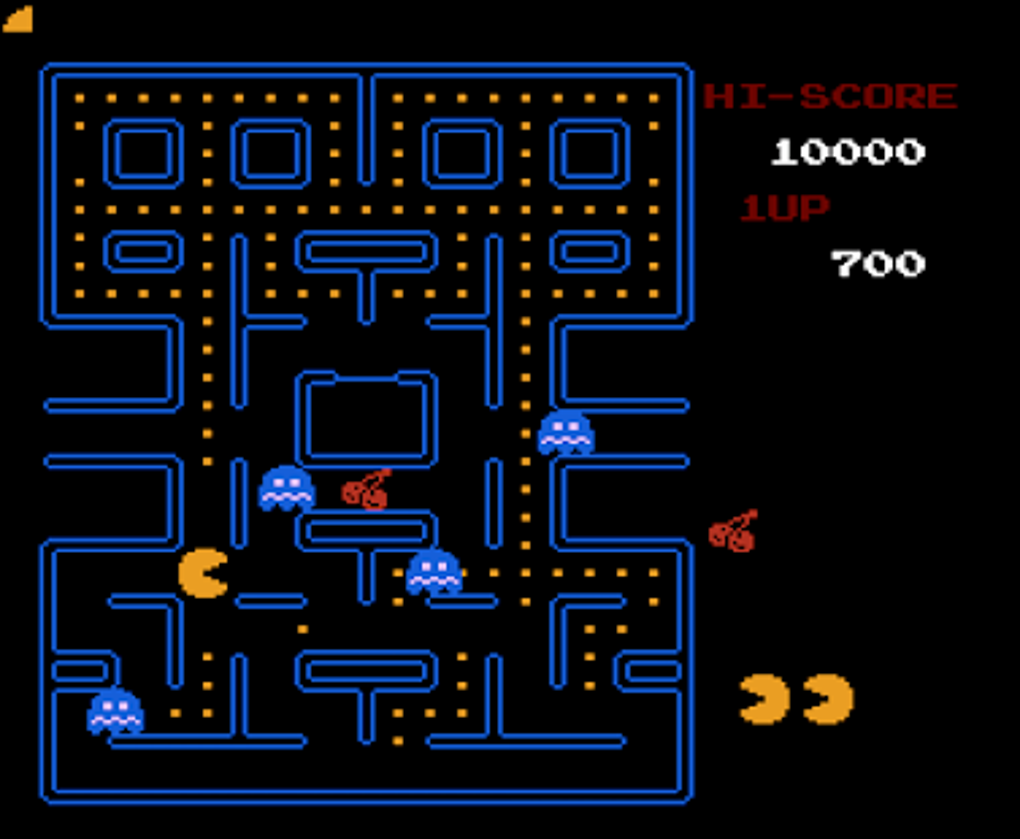
Released in Japan in 1980 under the name Puck-Man, the game quickly gained immense popularity. The name was later changed to Pac-Man for the international release to avoid potential vandalism of arcade cabinets. The name change proved to be a brilliant marketing decision, contributing to the game’s widespread recognition and adoption.
Gameplay and Mechanics: Simple Yet Addictive
Pac-Man’s gameplay is deceptively simple yet remarkably addictive. The objective is clear: guide Pac-Man through a maze-like level, consuming all the pellets scattered throughout while skillfully avoiding the four ghosts – Blinky, Pinky, Inky, and Clyde.
The game’s mechanics are elegantly straightforward. Pac-Man moves around using directional controls, consuming pellets to earn points. Larger power pellets scattered strategically around the maze temporarily reverse the roles; Pac-Man can then consume the ghosts, earning bonus points. The game increases in difficulty as players progress, with the ghosts moving faster and exhibiting more complex patterns. The tension builds with each level, creating a relentless cycle of pursuit and evasion.
The design of the mazes themselves is a subtle yet masterful stroke of game design. The intricate layout provides ample opportunities for strategic maneuvering, allowing skilled players to outwit the ghosts and efficiently collect pellets. The maze’s complexity doesn’t hinder accessibility, maintaining a balance between challenging gameplay and intuitive controls.
Beyond the basic gameplay, Pac-Man offers a degree of replayability that solidified its enduring appeal. The maze layouts, while following a pattern, offer enough variation to keep the gameplay fresh. The gradual increase in difficulty and the inherent challenge of mastering the movements of the ghosts contribute to a sense of accomplishment and continuous engagement.
The Cultural Impact of Pac-Man
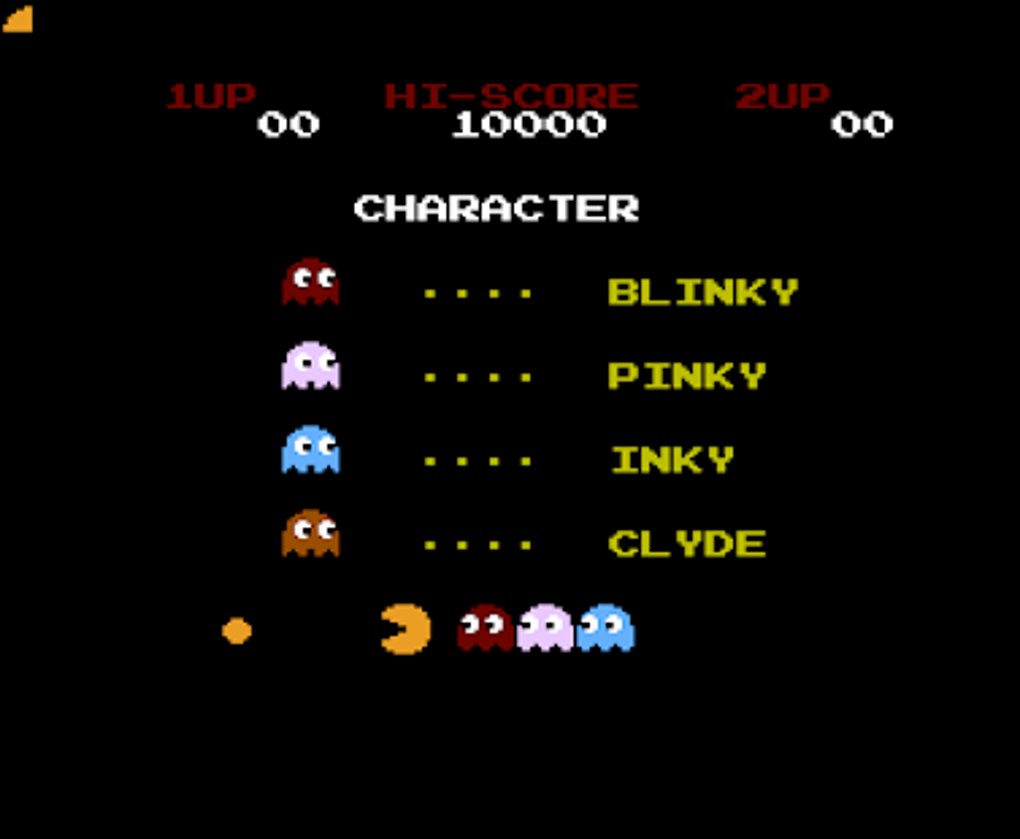
Pac-Man’s impact transcends the realm of gaming. It became a cultural icon of the 1980s, permeating popular culture through merchandise, cartoons, and countless references in other media. Its influence can be seen in other games, films, television shows, and even music.
The game’s simple yet captivating design resonated with a wide audience, breaking through the limitations of the predominantly male gaming market of the time. Pac-Man’s success signaled a shift in the video game industry, paving the way for more diverse and inclusive designs.
The character of Pac-Man himself became instantly recognizable. The simple yet expressive design, the endearingly naive pursuit of pellets, and the constant struggle against the menacing ghosts created a compelling narrative that transcended the game’s basic mechanics.
The impact of Pac-Man’s success on the video game industry is undeniable. The game’s financial success demonstrated the potential of arcade games as a profitable and widespread entertainment medium, contributing to the growth and diversification of the gaming industry as a whole. Pac-Man paved the way for countless sequels, spin-offs, and clones, cementing its place as a foundational element of the gaming landscape.
Pac-Man in the Modern Age: Legacy and Adaptations
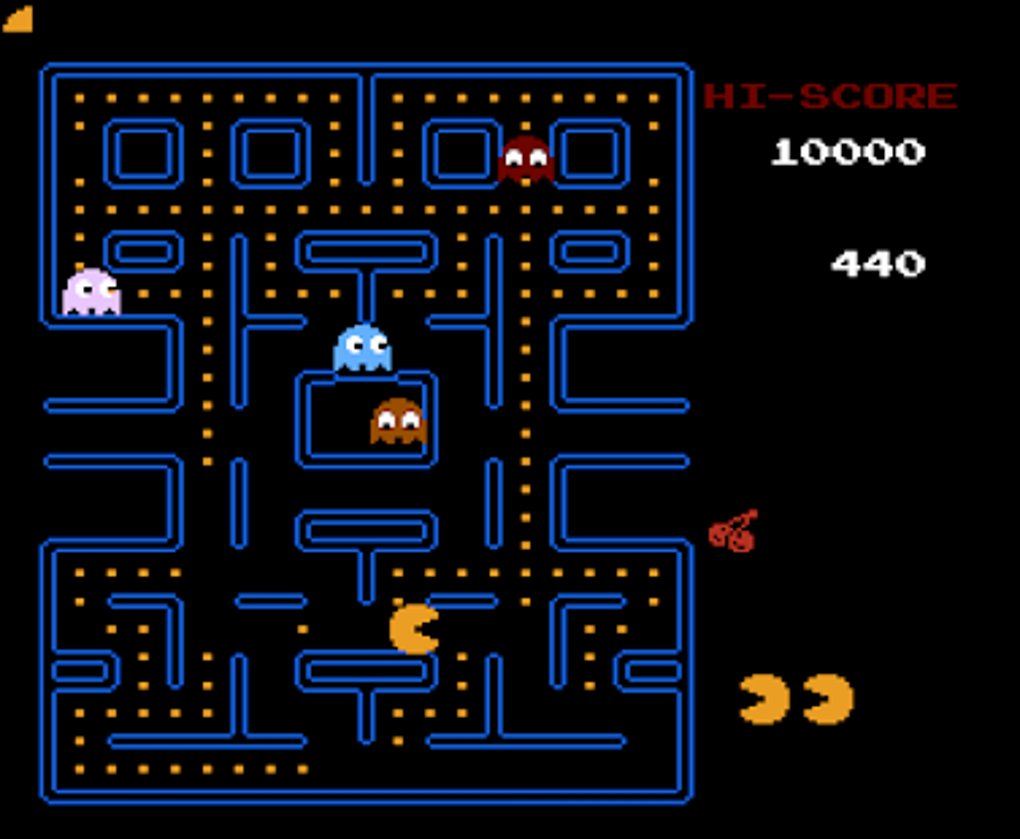
Despite its age, Pac-Man continues to be relevant and enjoys a thriving presence in modern gaming. Numerous iterations and adaptations have been released on various platforms, keeping the original spirit alive while incorporating modern game mechanics and technologies.
The game’s enduring popularity has resulted in countless ports, remakes, and sequels. The original game has been faithfully recreated for modern consoles, handheld devices, and even mobile phones. These versions often include enhanced graphics and improved controls, offering players a modernized experience that respects the core mechanics of the original.
Some adaptations have experimented with new game mechanics and features, adding layers of complexity and innovation. These additions often seek to build upon the established gameplay without sacrificing the core elements that define Pac-Man’s identity. Other adaptations focus on reinterpreting the classic gameplay within different contexts, demonstrating the versatility of the core concept.
The continued release of new versions and adaptations showcases the timeless quality of Pac-Man’s design. The fundamental gameplay continues to be enjoyable and engaging, proving its resilience to the test of time. The game’s enduring popularity highlights the power of simple yet effective game design, a testament to the creativity and vision of its creators.
Conclusion: A Timeless Classic
Pac-Man’s journey from a humble arcade game to a global icon is a remarkable testament to its enduring appeal. Its simple yet addictive gameplay, combined with its charming characters and captivating design, captured the hearts of gamers worldwide. The game’s legacy extends far beyond the gaming world, influencing popular culture and leaving an indelible mark on the industry. Whether experienced for the first time or revisited with nostalgic fondness, Pac-Man remains a timeless classic, a reminder of the power of simple, elegant game design. Its enduring popularity is a testament to the brilliance of its creators, who crafted a game that transcended generations and continues to captivate players today.
File Information
- License: “Free”
- Version: “1.0”
- Latest update: “October 15, 2021”
- Platform: “Android”
- OS: “Android 9.0”
- Language: “English”
- Downloads: “11.3K”
- Download Options: “Google Play”


