Paint Warfare is a free-to-play first-person shooter (FPS) developed by Mini Official, offering a simple yet engaging experience for players seeking quick multiplayer battles or solo campaigns. While lacking in sophisticated graphics and an immersive soundscape, the game compensates with accessible gameplay and a surprising amount of variety in weaponry and vehicles. This review will delve into the game’s strengths and weaknesses, providing a comprehensive overview of what Paint Warfare offers and whether it’s worth your time.
Gameplay: Simple, Accessible, and Surprisingly Deep
Paint Warfare’s core gameplay loop is straightforward: players select a weapon class, choose a game mode, and engage in fast-paced combat. The simplicity of the controls makes the game accessible to players of all skill levels. Newcomers can quickly grasp the basics and start playing within minutes, while experienced FPS players will find the mechanics familiar enough to jump right into competitive matches. This ease of access is a major strength, lowering the barrier to entry for potential players who may be intimidated by more complex shooters.
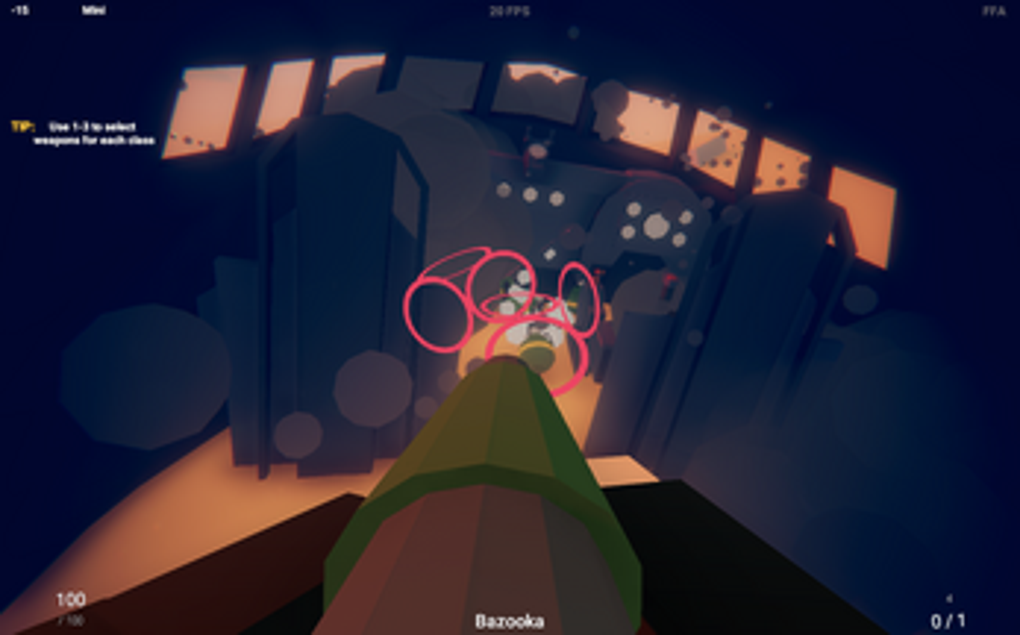
Despite its simple foundation, the gameplay offers a surprising degree of depth. The four weapon classes provide diverse tactical options, encouraging players to experiment and find their preferred playstyle. Each weapon class – let’s imagine they are categorized as Assault, Sniper, Support, and Heavy – has its own strengths and weaknesses, requiring strategic thinking to effectively utilize them in different situations. Assault rifles, for example, might excel in close-quarters combat, while sniper rifles require precision and patience for long-range engagements. Support weapons could focus on area denial, while Heavy weapons might be devastating in direct confrontations but slow and cumbersome. This diversity ensures replayability, preventing the game from becoming stale. The inclusion of vehicles, such as tanks and cargo planes, adds another layer of complexity and strategic depth, altering the dynamics of combat significantly.
The single-player mode, while less emphasized, still provides a valuable training ground for mastering the game’s mechanics and experimenting with different weapons and strategies. It allows players to hone their skills without the pressure of competing against other players, which can be particularly beneficial for those new to the FPS genre. This feature complements the multiplayer aspect, providing a complete and well-rounded experience.
Weapons and Vehicles: A Colorful Arsenal
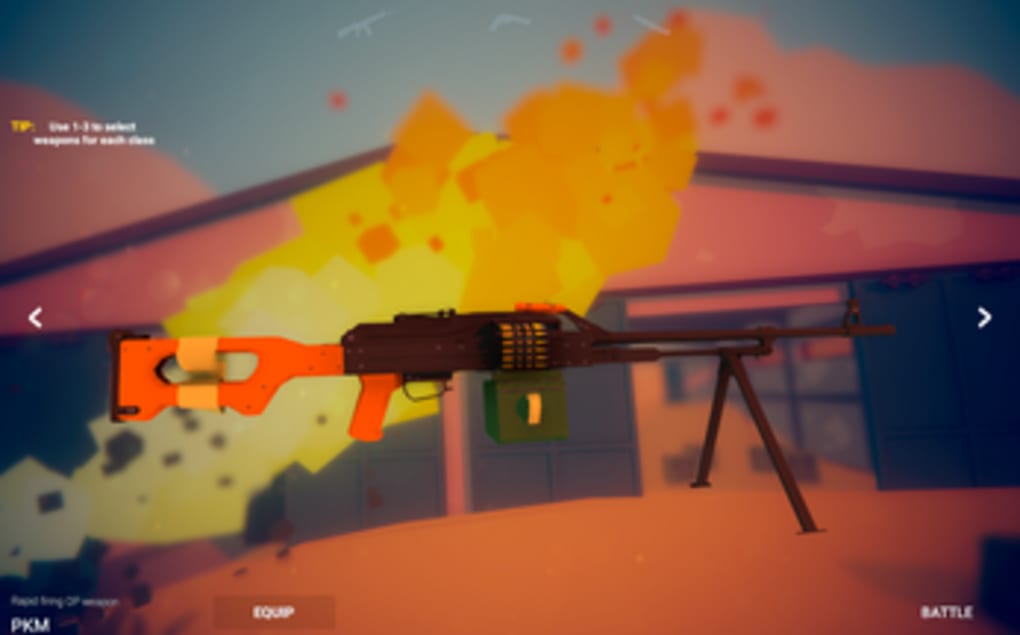
Paint Warfare distinguishes itself from other free-to-play shooters through its distinctive visual style, though it is simplistic. Instead of realistic weaponry, the game employs a cartoonish aesthetic, with weapons resembling brightly colored paint guns. This unique visual style sets it apart from many other FPS games and caters to a wider audience. The visual design is consistent across all elements, from the weapons to the environments, creating a cohesive and memorable experience.
The game features a variety of weapons across its four classes, each with unique attributes and playstyles. These range from rapid-firing pistols and machine guns to long-range rifles and powerful explosives. The inclusion of these weapons promotes diverse gameplay; players can find weapons that suit their individual playing styles and preferences, ensuring variety within the game’s relatively limited content.
The availability of vehicles is a welcome addition, setting Paint Warfare apart from its more simplistic competitors. The ability to commandeer tanks and cargo planes significantly alters gameplay dynamics, creating chaotic and unpredictable battles. Tanks provide heavy firepower and defensive capabilities, whereas the cargo planes, while more vulnerable, offer unique strategic advantages, such as aerial bombardment or rapid deployment. The presence of vehicles enhances strategic depth, requiring players to adapt their tactics based on the vehicles in play.
Graphics and Sound: A Trade-off for Simplicity
While Paint Warfare excels in gameplay accessibility and variety, its graphical and auditory presentation is notably minimalist. The graphics are simple, lacking in detail and realistic textures. Environments are basic and lack intricate design, focusing instead on functionality over visual fidelity. While this might disappoint players accustomed to visually stunning FPS games, the simplistic style contributes to the game’s overall accessibility and performance. It ensures that the game can run smoothly on a wide range of hardware, allowing more players to experience the game without requiring high-end specifications. The cartoonish aesthetic, though, does successfully create a unique visual identity.
The sound design is equally sparse. The game largely lacks a dynamic musical score; background sounds are minimal and repetitive. While sound effects accompany actions such as shooting and explosions, they are not particularly immersive or detailed. Again, this simplicity can be seen as a pragmatic design choice, prioritizing performance and accessibility over a rich audio experience. The absence of an engaging soundscape might be a drawback for players who value a more immersive auditory experience.
Multiplayer and Single-Player Modes: A Balanced Approach
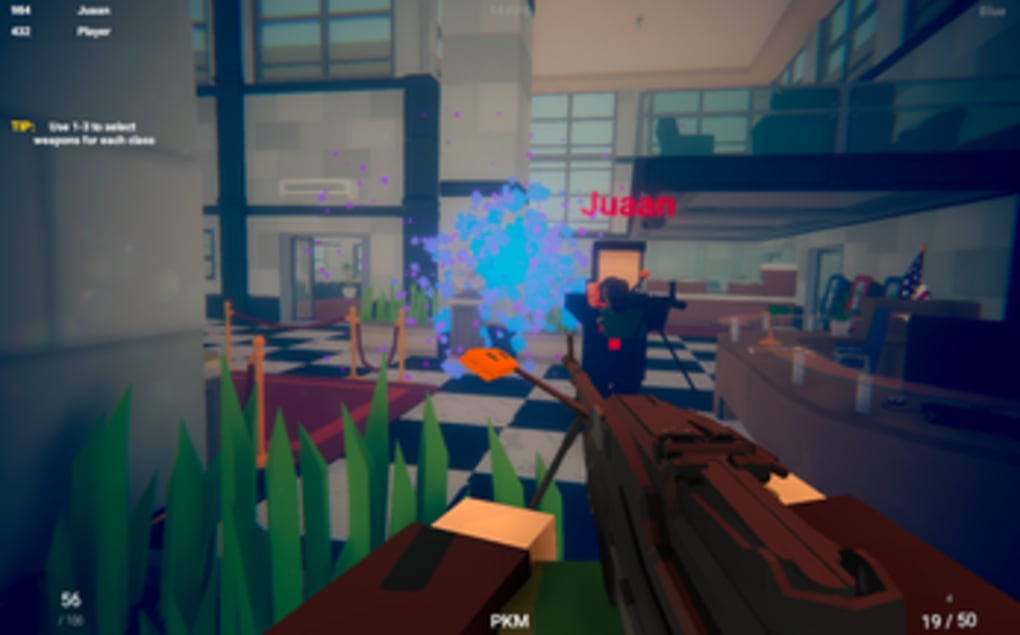
Paint Warfare boasts both multiplayer and single-player modes, providing a well-rounded experience. The multiplayer mode is the game’s main focus, offering various game types that cater to different preferences. These options can include, hypothetically, Team Deathmatch, Capture the Flag, or even a custom game mode tailored to specific community preferences. This variety keeps the game engaging, as players have the opportunity to switch between modes based on their mood and preferred pace of gameplay.
The single-player mode serves as a valuable training ground for new players, allowing them to practice their skills without the pressure of online competition. It also offers a chance to familiarize themselves with the various weapons and vehicles before engaging in multiplayer matches. This single-player mode, although it may not be as expansive as a full-fledged campaign, effectively serves its purpose in complementing the game’s core multiplayer experience. This balance of modes caters to different player preferences and enhances the game’s overall appeal.
Conclusion: A Fun, Accessible Shooter with Room for Improvement
Paint Warfare is a fun and accessible first-person shooter that successfully delivers on its core promise of simple yet engaging gameplay. The unique visual style, diverse weaponry and vehicles, and balanced approach to multiplayer and single-player modes are major strengths. However, the minimal graphics and sound design may deter players expecting a visually rich and aurally immersive experience.
Despite its limitations, Paint Warfare offers a solid foundation for a fun, casual FPS experience. Its accessibility makes it an excellent entry point for new players to the genre, while its simple mechanics and fast-paced action keep it entertaining for veteran FPS enthusiasts. While improvements in graphics and sound design would significantly enhance the overall experience, Paint Warfare, as it stands, still provides a worthwhile and enjoyable experience for those seeking a less demanding, more accessible online shooter. Its cartoonish nature may appeal to a player base that finds more realistic shooters too intense or gritty, opening it up to a wider range of players. Future updates incorporating improved visuals and a more dynamic sound design could easily elevate Paint Warfare to a higher level, further cementing its position in the competitive FPS market.
File Information
- License: “Free”
- Version: “build-13”
- Latest update: “March 16, 2019”
- Platform: “Windows”
- OS: “Windows 8”
- Language: “English”
- Downloads: “1.5K”
- Size: “108.26 MB”


