
Paladins, a free-to-play first-person shooter (FPS) multiplayer online battle arena (MOBA), offers a compelling blend of fantasy action and strategic card-building. Developed by Hi-Rez Studios, Paladins stands out in a crowded genre with its polished gameplay, diverse cast of characters, and customizable card system, providing a refreshing alternative to other popular MOBAs like Overwatch. This in-depth exploration delves into the game’s mechanics, features, and overall appeal.
Engaging Gameplay and Accessible Mechanics
Paladins throws players into fast-paced, objective-based team battles within a vibrant fantasy setting. Unlike traditional MOBAs with top-down perspectives, Paladins adopts a first-person view, providing a more visceral and immersive experience. Players select from a diverse roster of Champions, each possessing unique abilities, playstyles, and backstories. These Champions are categorized into distinct roles, such as Damage, Flank, Support, and Tank, encouraging team composition and strategic coordination.
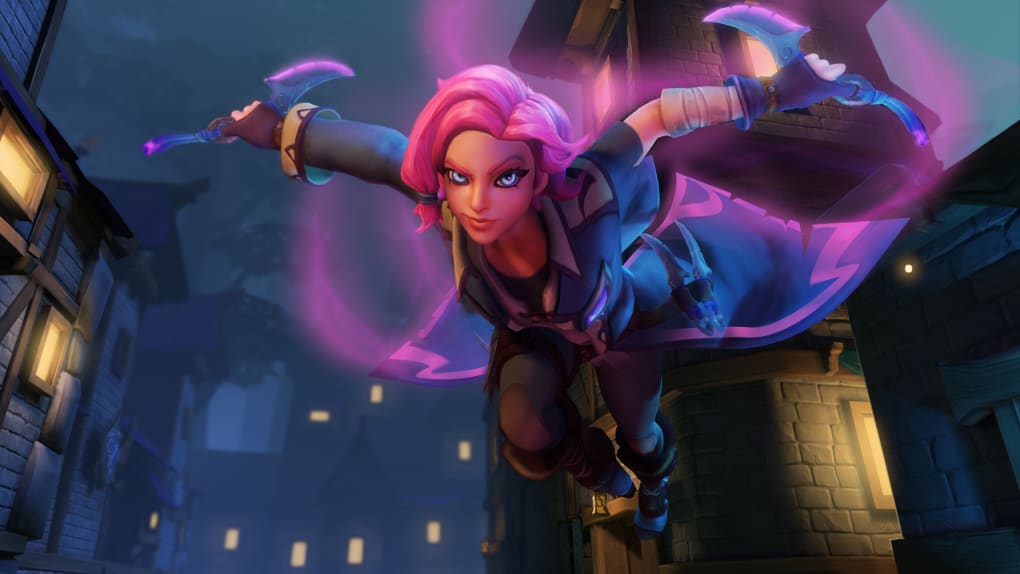
The core gameplay loop revolves around capturing objectives on various maps, each designed with unique layouts and strategic chokepoints. Teamwork is paramount; effective communication and coordination are crucial for victory. Players must leverage their Champion’s abilities, synergize with teammates, and adapt to the opponent’s strategies. This blend of individual skill and team synergy sets Paladins apart, rewarding both individual prowess and collaborative efforts.
Beyond the fundamental gameplay, Paladins features a dynamic card system that significantly influences each Champion’s capabilities. Before each match, players construct a deck of five cards out of a much larger pool, customizing their Champion’s abilities and playstyle. These cards introduce additional passive and active effects, altering damage output, survivability, utility, and overall effectiveness. This system adds an incredible layer of depth and customization, allowing players to fine-tune their Champions to their preferred playstyles and counter specific enemy compositions. Mastering the card system, however, requires significant time and experimentation to discover optimal combinations for different Champions and game situations.
A Diverse Roster of Champions: Uniqueness and Customization
Paladins boasts a rich and constantly expanding roster of Champions, each with distinct visual designs, unique abilities, and individual backstories that contribute to the game’s immersive world. This diversity caters to a wide range of player preferences and allows for dynamic team compositions. From nimble and elusive Flanks to powerful and resilient Tanks, each Champion fulfills a specific role within the team dynamic, demanding strategic consideration during character selection.
The design of these Champions goes beyond mere aesthetics; their abilities and playstyles are carefully crafted to promote strategic decision-making. Some Champions excel at close-quarters combat, while others specialize in long-range attacks or providing crucial support to teammates. This variety ensures that no two matches feel exactly the same, keeping the gameplay fresh and exciting.
Furthermore, the customization offered by the card system extends the diversity of each Champion significantly. A single Champion can feel vastly different depending on the cards chosen. A Support Champion, for example, can be built to focus heavily on healing, or alternatively, to provide additional damage support or crowd control. This level of customization empowers players to experiment and refine their strategies, leading to a highly personalized and rewarding experience. The ability to tailor a Champion’s capabilities to a specific game situation or personal preference enhances replayability and strategic depth.
The Significance of the Card System: Strategy and Depth
The card system acts as the core differentiating factor in Paladins. Unlike many MOBAs where character abilities are fixed, Paladins allows players to customize their Champions using this deep and intricate card-building system. This mechanic goes beyond simple stat boosts; cards can alter abilities fundamentally, adding new effects, enhancing existing ones, or even providing entirely new tactical options.
Each card offers unique bonuses or modifications to a Champion’s abilities, ultimately reshaping their gameplay. Selecting the right cards before a match requires strategic thinking, anticipating the enemy team’s composition and adapting the chosen Champion’s strengths to counter their weaknesses. This tactical element adds a significant layer of complexity and replayability to the game. Experienced players often develop intricate deck-building strategies and nuanced understanding of card synergies.
However, the complexity of the card system presents a learning curve. New players may find the sheer number of cards and their various interactions overwhelming. This learning curve, although challenging, adds an element of mastery to the game, rewarding persistent effort and skillful deck-building. Successfully navigating this complex system provides a gratifying sense of accomplishment and further enhances the long-term appeal of Paladins.
Free-to-Play Model and Progression System
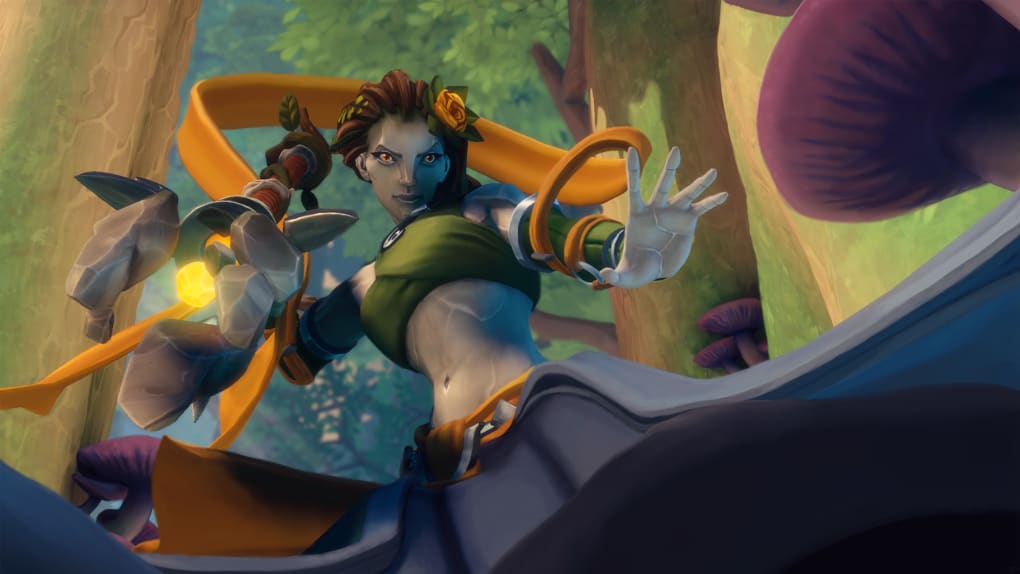
Paladins operates on a free-to-play model, making it accessible to a broad audience. The game offers a generous selection of Champions and cards available from the outset, allowing newcomers to explore different playstyles and find Champions that suit their preferences. While the game is free to play, microtransactions are available for cosmetic items such as skins and additional cards. These purchases are strictly cosmetic; they do not offer any gameplay advantages, ensuring a fair and balanced experience for all players.
Progression in Paladins is driven by in-game currency earned through gameplay. This currency can be used to unlock new Champions, cards, and cosmetic items, creating a rewarding loop that encourages players to continue engaging with the game. This model ensures that dedicated players can gradually unlock most of the game’s content without spending money, although purchasing items can expedite the process. The balance between the free-to-play aspect and the availability of microtransactions makes the game accessible yet also provides avenues for players who wish to support the developers. The game actively avoids “pay-to-win” mechanics, ensuring fair and balanced competition.
Paladins: A Competitive and Engaging Experience
In conclusion, Paladins distinguishes itself from other MOBAs through its unique blend of fast-paced, first-person action, a deep and strategic card system, and a diverse roster of Champions. Its free-to-play model promotes accessibility without compromising the quality of the overall experience. The game’s competitive landscape encourages players to hone their skills, master the intricacies of the card system, and coordinate effectively with teammates. Whether one prioritizes mastering a specific Champion’s unique abilities, perfecting their deck-building strategy, or climbing the competitive ranks, Paladins offers a rich and rewarding experience that continues to attract and engage players seeking a compelling blend of action and strategy within a vibrant fantasy setting.
File Information
- License: “Free”
- Latest update: “May 23, 2023”
- Platform: “Windows”
- OS: “Windows 10”
- Language: “English”
- Downloads: “49.1K”
- Size: “29.62 MB”


