
Pale Moon is a web browser that distinguishes itself by offering a tailored experience optimized for Windows systems. Born from a desire to enhance the speed and efficiency of Firefox, Pale Moon represents a meticulously crafted alternative, built from the Firefox source code but significantly altered to achieve superior performance. This in-depth analysis will explore its strengths, weaknesses, and overall user experience, comparing it to its Firefox progenitor and other popular browsers.
Performance and Optimization: Speed and Efficiency
Pale Moon’s core selling point is its enhanced speed compared to Firefox. The developers achieve this through significant modifications to the Firefox source code. These optimizations target various aspects of the browsing experience, leading to improvements in page rendering, script execution, and menu navigation. While subjective experiences may vary, many users report noticeable speed gains, particularly when handling numerous tabs or complex websites. This speed advantage is often attributed to Pale Moon’s streamlined approach, sacrificing certain features to minimize resource consumption.
The reduced memory footprint is another crucial aspect of Pale Moon’s optimization strategy. Unlike Firefox, which can sometimes consume substantial RAM, particularly with extended use and multiple tabs, Pale Moon boasts a significantly lower memory usage. This translates to improved system responsiveness, even on machines with limited RAM. The efficient memory management is a significant advantage for users who prioritize stability and prevent browser-related crashes or slowdowns. The browser’s design prioritizes efficiency, resulting in a more responsive browsing experience, even under heavy load.
However, it’s crucial to acknowledge that real-world performance differences can be subtle and context-dependent. The perceived speed improvement might be more pronounced on older or less powerful machines where Firefox’s resource demands become more noticeable. On modern high-end systems, the performance difference between Pale Moon and a well-optimized Firefox might be less apparent. The actual speed improvement remains largely dependent on the specific system configuration and user workload.
Features and Functionality: A Selective Approach
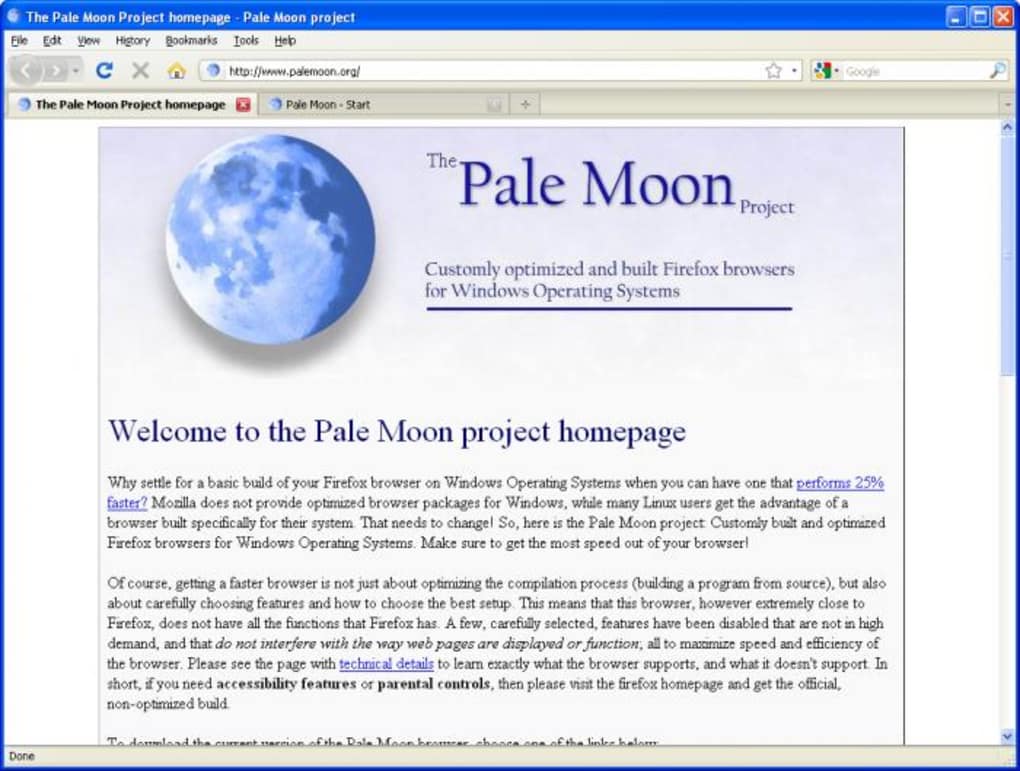
Pale Moon’s philosophy centers on providing a lean, fast browsing experience. Consequently, some features present in Firefox have been omitted to minimize resource usage and maximize speed. While this approach delivers on its promise of improved performance, it also means certain functionalities are unavailable in Pale Moon.
Specifically, accessibility features and parental controls are notably absent. This might be a significant drawback for users who rely on these features or who need to manage browser access for children. The removal of these features is a deliberate decision, trading functionality for performance optimization. Users should carefully weigh the benefits of enhanced speed against the loss of specific functionalities.
Despite these omissions, Pale Moon retains a strong compatibility with Firefox extensions and themes. This ensures a considerable degree of customization and allows users to personalize their browsing experience to a significant extent. This compatibility with Firefox’s vast extension ecosystem is a key strength, offering flexibility and adaptability to suit diverse user preferences. Users can benefit from the wide range of extensions developed for Firefox, expanding Pale Moon’s capabilities beyond its default functionalities.
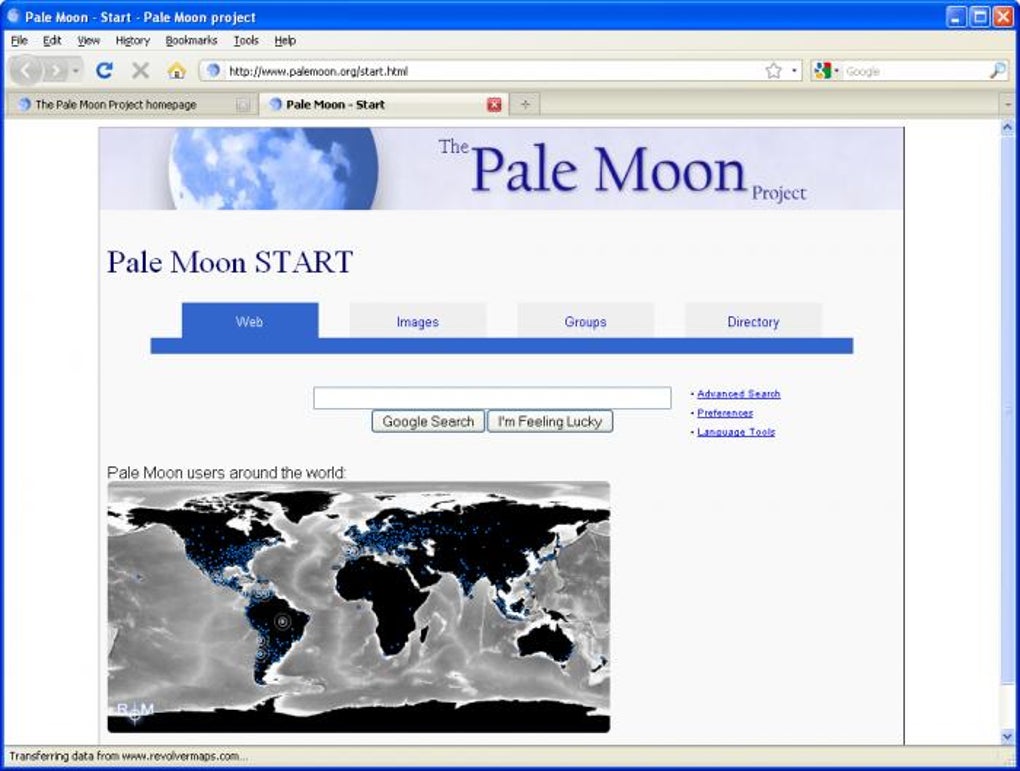
The browser’s interface closely resembles Firefox, offering familiarity for users transitioning from that platform. This minimizes the learning curve, allowing users to quickly adapt to the new browser without needing to acquire new skills or re-learn navigation. The interface consistency ensures a smooth transition for existing Firefox users.
Security and Privacy: Inheriting Firefox’s Strengths
Pale Moon inherits the robust security architecture of Firefox. As it’s built from Firefox’s source code, it benefits from the years of security improvements and updates incorporated into the Firefox codebase. However, it’s vital to acknowledge that security is an ongoing process, and continuous updates and security patches remain crucial to maintaining a secure browsing environment. Pale Moon’s security measures heavily rely on the security updates and developments implemented in Firefox.
While Pale Moon doesn’t offer unique security features beyond what’s inherited from Firefox, its smaller footprint and optimized resource usage can indirectly contribute to enhanced security. A less resource-intensive browser is less prone to performance issues that can potentially compromise security. While the browser itself doesn’t introduce revolutionary security features, its efficiency indirectly enhances security by minimizing resource constraints that could otherwise lead to performance vulnerabilities.
The privacy considerations for Pale Moon largely mirror those of Firefox. Users should configure their privacy settings according to their preferences, and the browser itself doesn’t offer any specific privacy features beyond those available in Firefox. Privacy settings should be managed proactively to ensure a comfortable and secure browsing experience.
Community and Support: A Smaller but Dedicated Following
Compared to major browsers like Chrome or Firefox, Pale Moon possesses a smaller community. This can lead to less extensive online support and fewer readily available resources compared to larger projects. However, Pale Moon maintains a dedicated user base and active forums, providing a platform for users to seek assistance and exchange information. While the community size is smaller, the dedication and active involvement of its members often compensate for the limited scale.
The smaller community might also have the advantage of a more focused and responsive support structure. While lacking the volume of support resources found in larger browser communities, the more concentrated nature of Pale Moon’s community might result in faster and more personalized assistance. Users might find the responsiveness of the smaller community more beneficial than the overwhelming size of larger communities.
The developer’s commitment to maintaining the browser and its updates remains a crucial factor in the browser’s longevity and continued support. Pale Moon’s continued development ensures the browser remains relevant and receives security patches, ensuring the continued safety of its users.
Conclusion: A Niche Browser with Specific Advantages
Pale Moon occupies a unique niche within the web browser landscape. It excels as a lightweight and fast alternative for Windows users who prioritize speed and efficiency over a comprehensive feature set. Its strength lies in its optimization for Windows systems, leading to improved speed and a lower memory footprint compared to the Firefox project it’s based on. However, its omission of certain features and the smaller community might deter users seeking a feature-rich or extensively supported browser. Ultimately, the choice between Pale Moon and other browsers depends on individual priorities and preferences. If speed and efficiency are paramount, and the absence of certain features is acceptable, Pale Moon presents a compelling alternative. However, if a full feature set and extensive community support are vital, other browsers might be a more suitable choice.
File Information
- License: “Free”
- Latest update: “July 15, 2025”
- Platform: “Windows”
- OS: “Windows 11”
- Language: “English”
- Downloads: “118.5K”


