
Pando is a free software application designed to simplify the process of sending and receiving large files and folders via email. It circumvents the limitations of traditional email attachment systems, allowing users to transmit data exceeding typical size restrictions without resorting to complex FTP procedures or unreliable online uploading services. The software operates on a peer-to-peer (P2P) network, leveraging a unique approach to deliver large files efficiently and securely. This approach significantly streamlines file sharing, particularly beneficial for users regularly exchanging large multimedia files such as videos, audio recordings, and high-resolution images.
How Pando Works: Leveraging P2P Technology
Unlike traditional file-sharing methods that rely heavily on a single server’s capacity, Pando utilizes a P2P network architecture. This distributes the workload across multiple users, creating a decentralized system more resilient to server overload and less prone to disruptions. When a user initiates a file transfer using Pando, the software creates a unique “.pando” file containing a link to the data stored on Pando’s “super-node” servers. This link is then embedded within a standard email, eliminating the need for bulky attachments that often clog email servers.
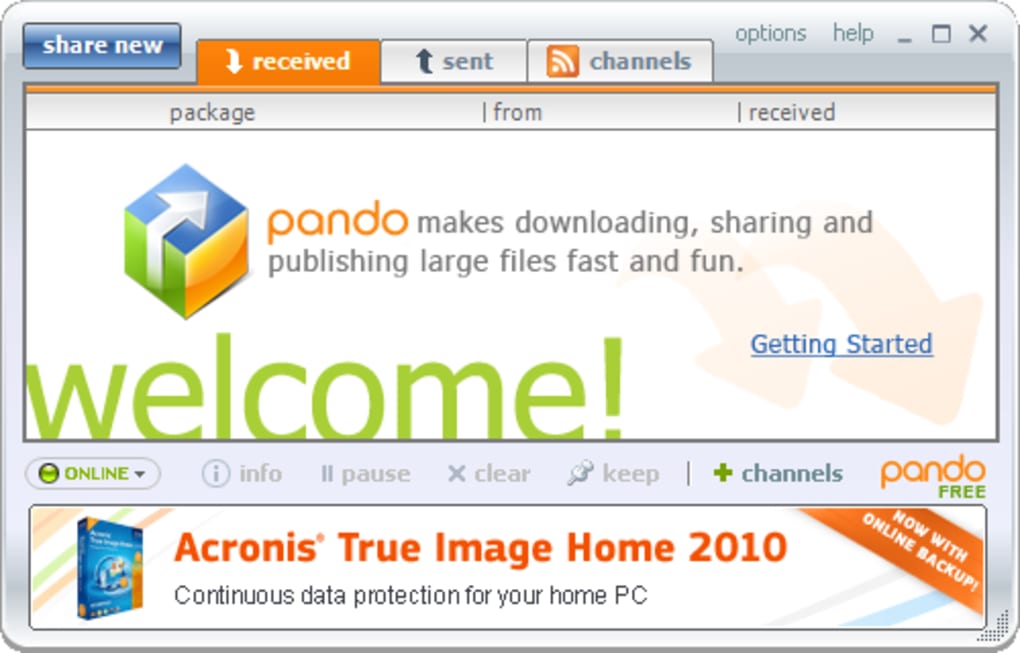
The recipient clicks the link in the email, triggering the download process. Crucially, the sender does not need to remain online during the download. Pando’s super-node servers act as “seeders,” ensuring at least one copy of the file is readily available even if the original sender disconnects. This seed is guaranteed to remain active for 14 days, offering a substantial window for the recipient to access the data. Furthermore, the speed of the download increases as more users download and share the file, mirroring the functionality of BitTorrent clients. The simplicity of this process makes Pando an attractive option for individuals or businesses frequently exchanging large files who are unfamiliar with the complexities of FTP or other specialized file transfer protocols.
The user interface is designed for intuitive operation. Files are added by simple drag-and-drop functionality or through the “add file” option. The software handles the creation of the .pando file, which is then ready for emailing. This user-friendly design minimizes the technical barriers to entry, making large file transfer accessible to a wider range of users.
Security and Privacy Considerations in Pando
While Pando offers a convenient method for transferring large files, understanding its security features is crucial. The developers claim that Pando incorporates 256-bit AES end-to-end encryption. This robust encryption standard theoretically makes the file transfer process highly secure, protecting the data’s confidentiality during transmission. However, it’s important to acknowledge that the security of the entire system relies on the security of the user’s email account. If a malicious actor gains unauthorized access to the email account, they could potentially intercept the .pando link and access the shared files.
It is also important to note that Pando, like any peer-to-peer file-sharing system, is susceptible to misuse. The decentralized nature of the network makes it challenging to completely prevent the sharing of illegal or copyrighted material. While Pando’s user base may be less likely to engage in such activities compared to dedicated torrent sites, the possibility remains. Users are advised to exercise caution and ensure they are complying with all relevant copyright laws and regulations when using Pando.
Advantages and Disadvantages of Using Pando
Pando presents a compelling solution for efficient large file transfers, but it is not without limitations.
Advantages:
- Simplicity: The intuitive drag-and-drop interface and seamless integration with existing email clients simplify the file-sharing process, making it accessible to users with varying levels of technical expertise. The elimination of complex FTP setups is a significant advantage for non-technical users.
- Speed: The P2P network structure potentially accelerates downloads, especially as more recipients share the file, acting as additional seeders. This scalability helps reduce download times compared to traditional methods relying on single-server uploads.
- Bypass Email Limits: Pando effectively sidesteps the size restrictions imposed by most email providers, enabling the transmission of files that would otherwise be too large for email attachments. This feature is particularly valuable for users frequently exchanging large multimedia files.
- No Need to Remain Online: The sender doesn’t have to maintain an active internet connection throughout the download process, offering greater flexibility and convenience. The super-node servers maintain availability, ensuring uninterrupted downloads for recipients.
Disadvantages:
- Recipient Requirement: The primary drawback is the requirement for the recipient to also have Pando installed on their system. While this may not pose a significant problem for regular collaborators, it adds a barrier for occasional file sharing. Requesting installation from recipients for a single file exchange can be inconvenient.
- Potential Security Risks: While employing strong encryption, the overall security of Pando relies on the security of the user’s email account. Compromised email accounts can jeopardize the confidentiality of shared files. Users must employ robust password practices and vigilance against phishing attacks.
- Potential for Misuse: The decentralized nature of P2P networks leaves them vulnerable to misuse for sharing copyrighted or illegal material. While Pando may not be a primary target for such activities, the potential exists.
Pando’s Evolution and Future Prospects
Since its initial release, Pando has undergone several updates, enhancing its functionality and addressing user feedback. Recent updates have focused on improving the installer, providing enhanced features for Pro users (including login capabilities and options to skip partner offers), and implementing various bug fixes. The developers have emphasized a commitment to continuous improvement based on user feedback, aiming for a consistently reliable and efficient file-sharing experience.
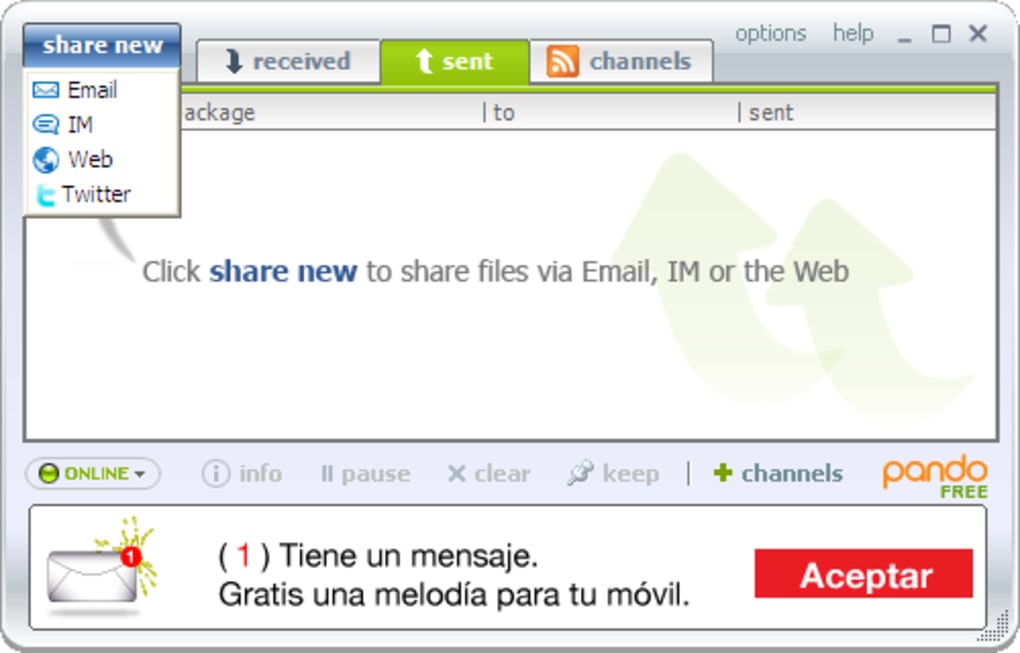
The integration of features like direct Twitter posting allows for seamless file sharing through multiple platforms, expanding Pando’s reach and convenience. However, the core functionality remains focused on simplifying large file transfers via email, ensuring accessibility and ease of use.
The future of Pando likely depends on its ability to address the existing limitations while retaining its core simplicity. Improving the onboarding experience for recipients, enhancing security protocols, and actively combating the potential for misuse are key areas for future development. The continued popularity of Pando hinges on its ability to maintain a balance between its convenient file-sharing capabilities and the ongoing need for robust security and responsible usage practices. Continuous development addressing user concerns and evolving technological landscape will be crucial for its continued success.
File Information
- License: “Free”
- Version: “2.5.1.11”
- Latest update: “July 15, 2022”
- Platform: “Windows”
- OS: “Windows 8”
- Language: “English”
- Downloads: “70.7K”
- Size: “5.71 MB”


