
Paper Stacks is a free Windows software application designed for scanning and organizing documents in PDF format. Categorized under Design & Photography software with a specific focus on scanning and OCR (Optical Character Recognition), it offers a straightforward approach to managing digital documents. Developed by Francisco García, Paper Stacks has garnered significant attention since its introduction in 2011, accumulating a considerable number of downloads across various regions. This review will delve into its features, performance, usability, and compare it to other similar applications on the market.
Features and Functionality of Paper Stacks
Paper Stacks’ primary function centers around digitizing paper documents. Users can scan documents directly using a compatible scanner, or import existing image files (e.g., JPG, PNG) into the program. The software then processes these scans, converting them into searchable PDF files. While the specifics of its OCR capabilities aren’t explicitly detailed, the software’s classification suggests it possesses basic OCR functionality, allowing for text extraction and searchability within the generated PDFs. This is crucial for efficient document management, enabling users to quickly locate specific information within their digitized archives.
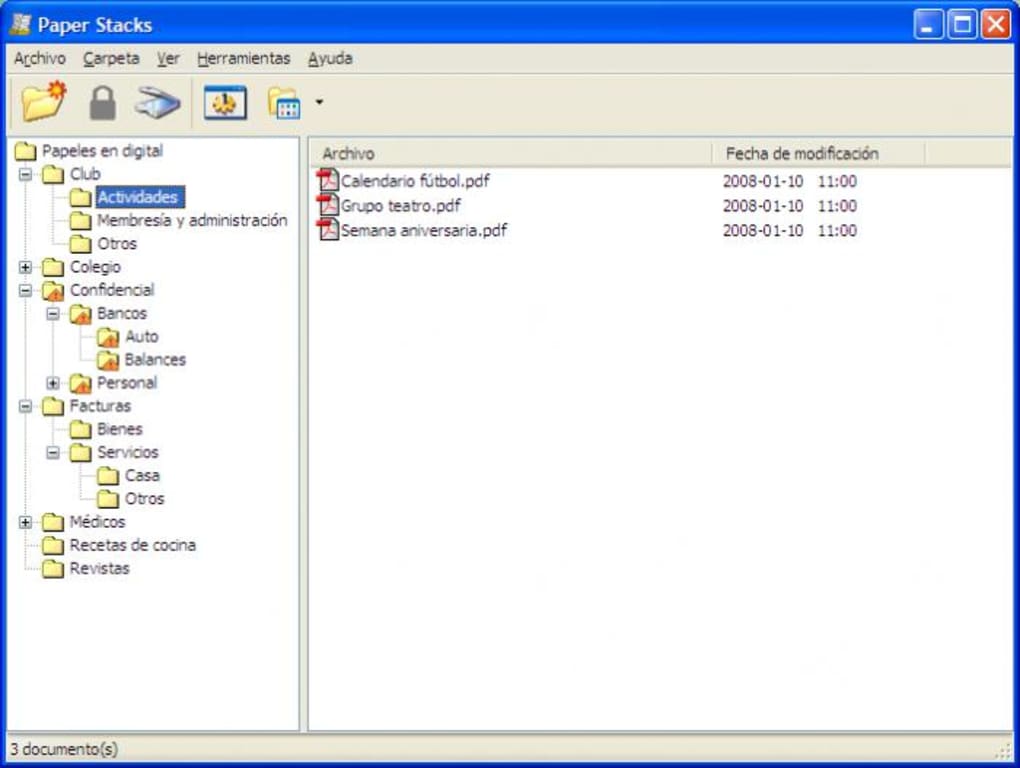
The application’s simplicity is a notable feature. Its interface, while not visually striking, is designed for intuitive navigation, making it accessible to users of all technical skill levels. The absence of complex features may be a drawback for advanced users seeking specific editing or annotation tools, but it contributes to the program’s overall ease of use. For users simply needing a straightforward method to convert paper documents into searchable digital formats, this simplicity is a significant advantage. The software’s small footprint, requiring less storage space than many comparable programs, is another attractive quality, particularly for users with limited hard drive space.
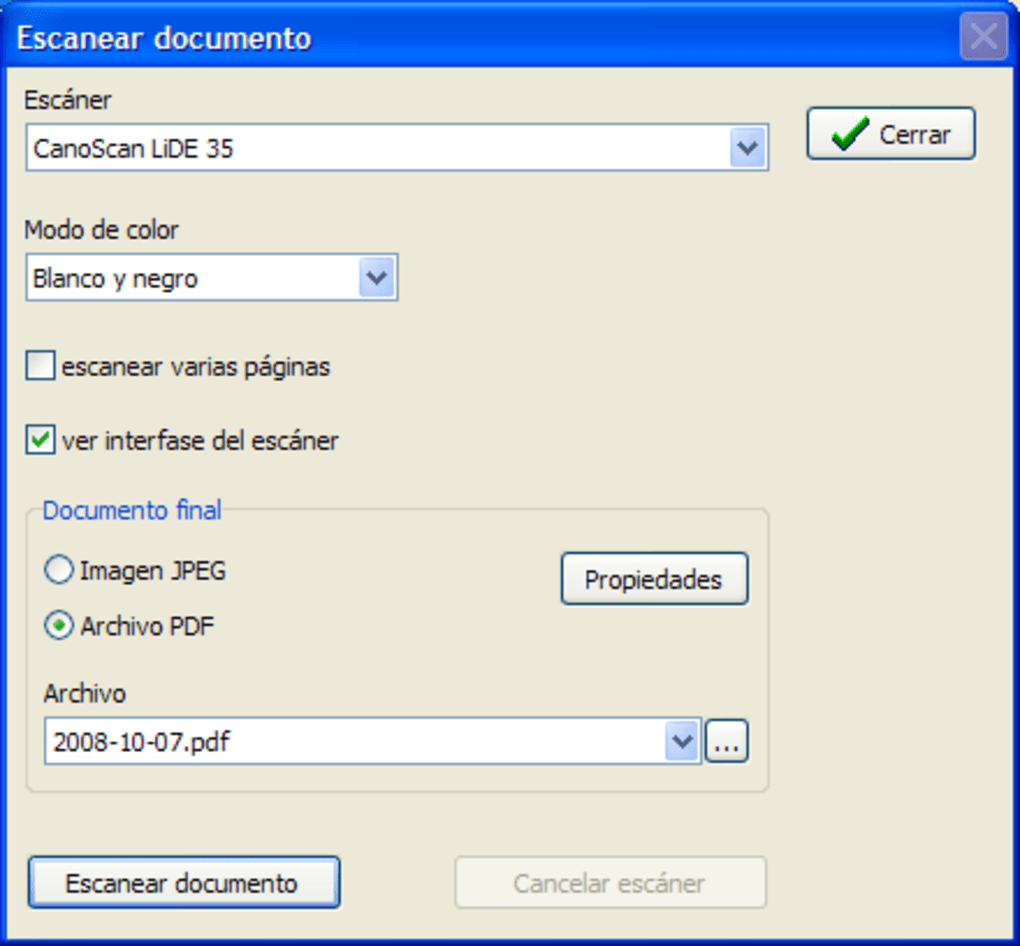
While Paper Stacks lacks advanced features commonly found in more comprehensive document management suites, such as sophisticated editing tools, integrated cloud storage options, or advanced OCR capabilities with multi-language support, its focus on core scanning and PDF conversion functionality makes it a practical solution for many users. The simplicity and ease of use are key strengths that cater to those prioritizing quick and efficient document digitization.
System Requirements and Compatibility
Paper Stacks exhibits notable backward compatibility, supporting Windows ME and earlier versions. This broad compatibility ensures accessibility across a wide range of older machines, expanding its potential user base beyond those using the latest Windows iterations. However, this also suggests the software might lack certain modern features or optimizations found in applications designed exclusively for newer operating systems. The software’s compatibility with older systems is a testament to its robust design, but it might also imply limitations in terms of leveraging modern hardware capabilities.
Performance and User Experience
The user experience with Paper Stacks is primarily characterized by its simplicity. The interface is uncluttered and straightforward, focusing on core functionalities. Users familiar with basic scanning and document management software will find it extremely easy to use. The absence of a steep learning curve contributes to its accessibility for a broader audience. However, users accustomed to more sophisticated software with extensive editing capabilities or advanced features may find it somewhat limited.
The speed of the scanning and conversion process depends largely on the hardware used – the scanner’s speed and the computer’s processing power. Generally, users can expect reasonable processing times for smaller documents. However, large, high-resolution scans might take longer to process, reflecting the limitations of the software’s optimization for speed on older systems. While the software focuses on providing fast and efficient results, the performance will always be largely contingent on the user’s equipment and the size/complexity of their files.
In terms of user feedback, the lack of publicly available user reviews on the platform where the software is listed is a notable gap. This absence of user input prevents a comprehensive assessment of real-world performance and user satisfaction. While the software has achieved substantial download numbers, the lack of detailed feedback presents an opportunity for improvement in transparency and user engagement.
Comparison with Alternative Document Scanning Software
The market offers a wide range of alternative document scanning software, ranging from free, basic applications like Paper Stacks to powerful, feature-rich commercial solutions. Comparing Paper Stacks to these alternatives reveals both its strengths and limitations. For users seeking only basic scanning and PDF conversion with minimal extra features, Paper Stacks is a viable choice. Its simplicity and ease of use offer a significant advantage over more complex options.

However, for users needing more advanced features such as multi-language OCR, sophisticated editing capabilities (like annotation, redaction, or advanced editing tools), or integration with cloud storage services, alternative programs would be necessary. Sophisticated options such as Adobe Acrobat Pro, PaperPort, or other commercial-grade scanning and document management suites would provide more comprehensive functionality. These alternatives usually come with a price tag to reflect their expanded capabilities.
The choice between Paper Stacks and these more advanced solutions depends entirely on the user’s specific needs. If the primary requirement is straightforward scanning and PDF conversion, Paper Stacks’ simplicity and ease of use might outweigh the limitations. But, if more extensive features and functionalities are needed, investing in a more robust (and often paid) document management suite would be more appropriate. The balance between functionality and simplicity dictates the optimal software choice.
Conclusion: A Niche Application for Straightforward Needs
Paper Stacks fulfills a specific niche within the document scanning software market. Its core strength lies in its simplicity, ease of use, and backward compatibility. Users seeking a straightforward, no-frills approach to digitizing paper documents into searchable PDF files will find it a valuable tool. However, users with advanced needs requiring extensive editing, sophisticated OCR capabilities, or cloud integration should explore more comprehensive (often paid) options. The software’s long-standing availability and consistent download numbers suggest a sustained user base who appreciate its uncomplicated approach to document digitization. While lacking the extensive features of some competitors, Paper Stacks occupies a useful space for users with basic, straightforward requirements. Ultimately, the decision to use Paper Stacks depends upon the user’s specific workflow and expectations regarding features and functionality.
File Information
- License: “Free”
- Version: “1.0.1.21”
- Latest update: “March 9, 2017”
- Platform: “Windows”
- OS: “Windows 2000”
- Language: “English”
- Downloads: “7.5K”
- Size: “2.75 MB”


