
Embark on an intricately designed digital journey with Passenger Train Simulator, a captivating simulation game that places you squarely in the driver’s seat of modern passenger rail transport. Far from being a mere casual pastime, this title, available for Windows users, is meticulously crafted to replicate the multifaceted experience and inherent challenges of managing a fleet of passenger trains with remarkable accuracy. While its initial controls are intuitive enough for newcomers to grasp quickly, the true depth and rewarding mastery of this simulator demand a sophisticated blend of skill, foresight, and swift decision-making. It’s a game that is easy to pick up but notoriously difficult to put down, constantly beckoning players to refine their abilities and aspire to become the next ace train controller in the virtual railway network.
Developed by Gamehitzone Inc., Passenger Train Simulator distinguishes itself through its dedication to realism and its demanding gameplay loop. Unlike many lighter simulation experiences, this game doesn’t shy away from presenting players with complex scenarios and tight schedules that truly test their mettle. From the nuanced control of train speed and braking to the precise timing required for station stops and the strategic navigation of diverse track layouts, every element of the game contributes to an authentic and deeply engaging simulation. For enthusiasts of railway operations and those who appreciate a genuine challenge, this simulator offers an unparalleled opportunity to dive into the exacting world of passenger train management, making every successful journey a testament to skill and perseverance.
The Authentic Challenge of Rail Management
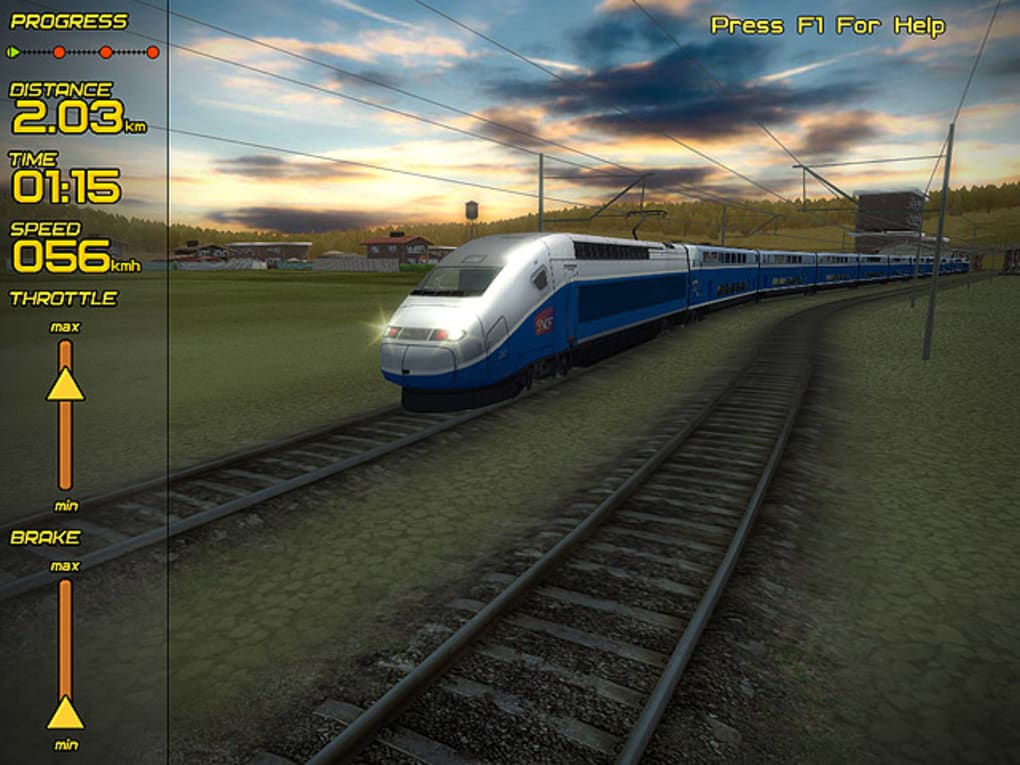
At its core, Passenger Train Simulator delivers an authentic and often exhilarating challenge rooted in the demanding realities of railway management. Players are thrust into a dynamic environment where the seemingly simple act of moving a train from point A to point B becomes a complex ballet of precision, timing, and environmental awareness. The game tasks you with taking control of several distinct passenger trains, each with its own route, schedule, and unique demands, and guiding them flawlessly to their designated destinations. The overarching goal is not merely arrival, but on-time arrival, executed with zero slip-ups, delays, or safety breaches—a feat that proves significantly harder than it sounds.
A fundamental aspect of this challenge revolves around the meticulous management of station stops. When approaching any given station, the player is obligated to bring the massive locomotive to a complete, smooth stop at precise designated markers. This isn’t just a visual detail; it’s a critical mission objective. Passengers need to board and alight, and failing to execute a perfect stop—or, worse, missing a station altogether—results in missed passengers and, consequently, a failed mission. This mechanic alone injects a layer of pressure and requires a fine touch with the braking system, as overshooting or undershooting the stop position can be detrimental to your progress and reputation as a virtual train driver. The margin for error is slim, mirroring the exacting standards of real-world rail operations where passenger safety and punctuality are paramount.
Beyond station precision, the game continually tests your ability to adapt to the evolving railway landscape. You must maintain a vigilant eye on the track ahead, anticipating the geometry of the railway in front of you. Curved sections of track are particularly hazardous, demanding a significant reduction in speed to prevent catastrophic derailment. The physics engine in Passenger Train Simulator is designed to punish recklessness, and exceeding safe speeds on bends will inevitably lead to your train jumping the tracks, ending your mission abruptly. This forces players into a constant mental tug-of-war: the need to maintain sufficient speed to adhere to stringent schedules clashes with the imperative of exercising caution on challenging sections of the track. Successfully navigating this dichotomy requires quick thinking, a keen understanding of momentum, and an almost intuitive feel for the limits of your locomotive.
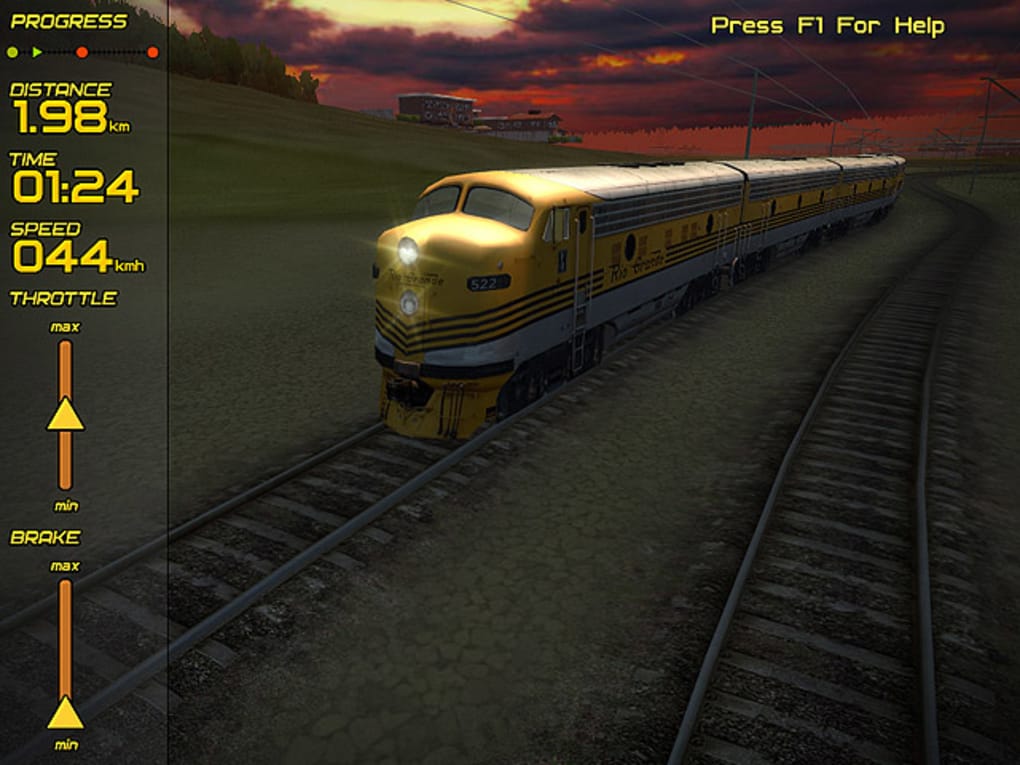
The true mastery of Passenger Train Simulator emerges from the player’s ability to seamlessly integrate these competing demands. It’s about finding that delicate balance between efficient speed and cautious navigation, ensuring every station stop is perfect, and always keeping an eye on the clock. Every second counts, every decision matters, and the cumulative effect of these small, precise actions determines success or failure. This high-stakes, high-precision gameplay loop is what transforms what might initially appear to be a straightforward simulator into a deeply engaging and profoundly rewarding experience for those who invest the time and effort into honing their virtual train driving skills.
Immersive Simulation and Realistic Mechanics
Passenger Train Simulator excels in its ambition to provide a genuinely immersive simulation, making players feel as if they are authentically at the controls of a powerful locomotive. The development team has evidently paid close attention to detail, aiming to capture the intricate workings of trains and their interaction with the tracks, a fidelity that rail enthusiasts are quick to acknowledge and commend. This commitment to realism translates into a gameplay experience that goes beyond superficial graphics, delving into the very physics and operational nuances that define real-world rail transport.
The feeling of being “right there” is cultivated through several design choices. While some critical reviews mention that the graphics may not be the most “stunning” in an AAA-game sense, the game proudly features “high definition graphics” and “3-dimensional graphics” that are functional and effective in conveying realism. This apparent contradiction can be reconciled by understanding that “high definition” in this context refers to clear, sharp visual details that facilitate immersion, rather than cutting-edge photorealism that might demand significantly more system resources. The environments, while not always breathtaking, are clear enough to provide crucial visual cues regarding track curvature, upcoming stations, and potential hazards, allowing players to make informed decisions. The 3D models of the trains themselves are rendered with sufficient detail to give a sense of scale and mechanical complexity, contributing to the overall believable aesthetic.
Crucially, the “realistic mechanics” extend beyond visual representation to the very core of how the trains operate. The physics engine models momentum, braking distances, and the impact of speed on curves with convincing accuracy. This means that successful operation isn’t about arbitrary game rules, but about understanding and respecting the physical limitations of a real train. For instance, the significant braking distance required to halt a heavy locomotive is accurately portrayed, preventing players from simply slamming on the brakes at the last second. Similarly, the danger of centrifugal force on sharp turns is palpable, making speed management a genuine strategic concern rather than a simple rule to follow. These mechanics resonate strongly with aspiring train drivers and dedicated hobbyists, who appreciate a simulator that doesn’t oversimplify the complexities of their passion.
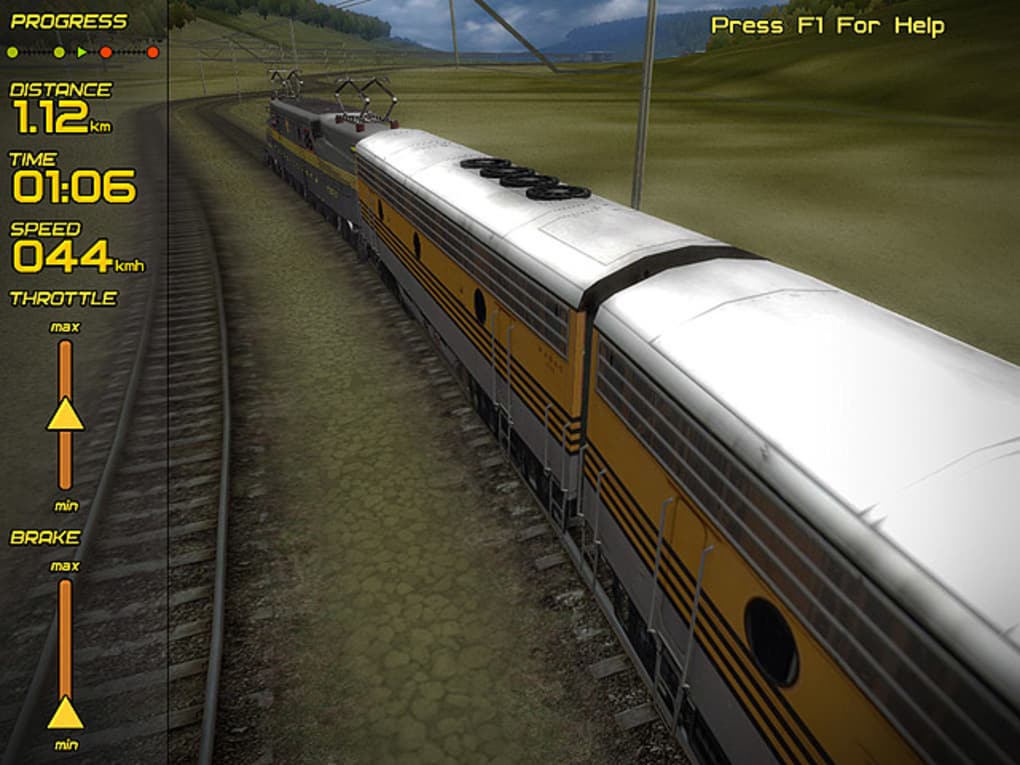
The game’s design also emphasizes high performance and a low file size, which makes it accessible to a wider audience, including those with less powerful computing setups. This thoughtful optimization means that the immersive experience isn’t bottlenecked by technical demands, ensuring smooth gameplay even during intense moments. The combination of clear 3D graphics, robust physics, and efficient performance culminates in a truly engaging simulation that allows players to focus on the challenge of driving rather than battling technical issues. This approach has resonated particularly well with its target audience: school pupils and teenagers, both male and female, who possess an innate love for challenging yet accessible games. For this demographic, the blend of educational realism and compelling gameplay provides an ideal introduction to the fascinating world of train operations, fostering critical thinking and strategic planning in an enjoyable format.
Key Features That Drive the Experience
Passenger Train Simulator distinguishes itself through a suite of carefully integrated features designed to create an engaging and challenging experience for aspiring virtual train drivers. While some simulation games prioritize visual spectacle, this title focuses on core gameplay mechanics and performance, ensuring that the act of controlling a train is both realistic and consistently rewarding.
One of the standout attributes highlighted in the game’s description is its “action-packed gameplay.” While a train simulator might not immediately conjure images of high-octane action, for enthusiasts, the “action” lies in the relentless demand for precision and timely decision-making. Every second is crucial when adhering to a strict schedule; every curve in the track presents a new challenge; every station stop is a high-stakes maneuver. The constant vigilance required to manage speed, monitor surroundings, and execute flawless operations creates a dynamic and intense experience. This isn’t passive driving; it’s active command, where the player is continually engaged in a series of critical choices that directly impact the success or failure of their mission. This sense of continuous engagement and problem-solving is what makes the gameplay feel “action-packed” within its genre, offering a steady stream of mini-challenges that keep players on their toes.
The “variety of gameplay features” further enriches this experience. Although specific details on mission types or scenarios beyond basic passenger transport are not explicitly elaborated in the summary, the implication is a range of routes, train types, and environmental conditions that add depth and replayability. This variety is crucial for a simulator to maintain long-term player interest, ensuring that the experience doesn’t become monotonous after a few successful runs. Whether it’s navigating through different weather conditions, traversing diverse landscapes, or operating various passenger train models, these variations would contribute significantly to the game’s appeal, constantly presenting new challenges and requiring players to adapt their strategies.
Addressing the seemingly conflicting statements regarding graphics, the game delivers “high definition graphics” and “3-dimensional graphics” that contribute effectively to the simulation, even if they aren’t “the most stunning” by the standards of blockbuster titles. This means that while you might not get photorealistic textures, the visual information is clear, crisp, and provides all the necessary detail for gameplay. The 3D representation of trains, tracks, and environments is robust enough to convey a genuine sense of depth and scale, which is paramount for a driving simulator. Many users, in fact, commend the game’s realistic appearance, suggesting that its visual fidelity is more than adequate for immersion, focusing on functional realism over purely aesthetic grandeur.
Furthermore, the game’s commitment to “high performance” and “low file size” significantly enhances its accessibility. A lean file size of 42.70 MB means quick downloads and minimal storage impact, making it easy for players to try out and enjoy. High performance ensures that the game runs smoothly, even on older Windows 7 systems, minimizing lag and technical frustrations. This focus on optimization demonstrates a developer’s understanding that a wide audience values a stable, responsive gaming experience over hyper-demanding visuals. The combination of “easy to play” mechanics (referring to the simple interface and basic controls) with a genuinely “hard to win and ace” core challenge creates a perfect learning curve for players, making the journey from novice to master feel both achievable and incredibly rewarding.
User Perspectives: A Deep Dive into Player Experience
The reception from the user community offers a compelling narrative of Passenger Train Simulator’s impact, painting a picture of a game that, despite some minor criticisms, deeply resonates with its target audience. The overwhelming sentiment from dedicated players highlights the game’s strengths in realism, challenge, and the profound sense of accomplishment it delivers.
Many users, particularly those identifying as “rail enthusiasts” or “passenger train driver aspirants,” laud the game for its “super realistic and challenging” nature. They consistently praise how the game “perfectly exudes the feel of managing a passenger train,” confirming the developers’ success in capturing the authentic essence of the profession. Reviewers like Krishna Javier appreciate how the game truly “challenges the overall skill” of players, fostering critical thinking in a short period. This underscores the simulator’s ability to not just entertain, but to genuinely engage players intellectually, forcing them to think strategically and react decisively.
Ahmet Mustafa’s review, deeming the simulator “like a heaven to us!” for enthusiasts, emphasizes the game’s difficulty, stating it’s “hundred times harder than all of the passenger train simulator game combined.” This might be hyperbole, but it certainly conveys the perceived high bar for mastery. The satisfaction derived from overcoming this challenge is palpable, with Ahmet finding it “super rewarding to finish.” This sentiment of hard-earned success is a recurring theme, suggesting that the game’s steep learning curve is not a deterrent but a significant draw for players seeking a profound sense of achievement.
Aryan Vihaan’s enthusiastic feedback, calling it a “too good to be true game” with “amazing and realistic features,” directly addresses the game’s visual presentation. Despite the official “Cons” noting graphics aren’t “stunning,” Aryan states, “Whenever I play this game I really feel like I am controlling a real passenger train because of how good and realistic this game looks like!” This highlights the subjective nature of graphics perception and suggests that for many players, the visual fidelity is more than adequate to achieve deep immersion. For them, the graphics serve the simulation effectively, contributing to the overall realistic feel rather than detracting from it.
Fynn Oliver further emphasizes the game’s demanding nature, stating it’s “full of challenges and complicated missions.” He strongly recommends it for those aspiring to enter the passenger train controller field, believing players will “get tons of knowledge from this.” This speaks to the game’s potential as an educational tool, offering practical insights into the complexities of train operation. Similarly, Alfie Williams positions it for players who prefer “truly complex, difficult and challenging game,” one that will “highly test your intellectual and physical skills.” The consistent message is clear: this is not a casual pick-up-and-play title for easy wins, but a rigorous mental exercise designed to push players’ limits.
However, not all feedback is glowing. Shubham Chavan’s concise review simply states, “BORING. Boring game please don’t waste time & data to download it,” criticizing “GRAPHICS” as a con. This provides a valuable counterpoint, acknowledging that the game’s niche theme and functional graphics might not appeal to everyone. Some players might find the slow pace and meticulous nature of train simulation less exciting, especially if they are accustomed to more immediate action or cutting-edge visuals found in other genres. This highlights that while the game excels for its target demographic, its specific appeal isn’t universal, and players should consider their preference for realism and challenge over flashier presentations.
In summary, user reviews collectively affirm that Passenger Train Simulator delivers on its promise of a challenging, realistic, and deeply rewarding simulation. The game’s capacity to test critical thinking, develop precision, and offer a genuine sense of accomplishment ensures its place as a beloved title among rail enthusiasts, even as its specific aesthetic might not captivate every gamer.
PhanMemFree proudly offers Passenger Train Simulator for free download, allowing a broad spectrum of Windows users to experience this unique and engaging simulation. With a version number of 1.03.7 and a modest size of 42.70 MB, it remains an accessible option for those looking to delve into the world of train driving without significant technical hurdles. The game’s developer, Gamehitzone Inc., has created a product that continues to generate significant interest, evidenced by its substantial download numbers on Phanmemfree.org. Regular updates ensure its continued stability and compatibility, providing a reliable platform for countless hours of immersive gameplay. Whether you are a seasoned rail aficionado or a curious newcomer seeking a distinctive simulation challenge, Passenger Train Simulator offers an enriching and demanding experience that will undoubtedly put your skills to the ultimate test on the virtual tracks.
File Information
- License: “Free”
- Version: “1.0”
- Latest update: “September 1, 2021”
- Platform: “Windows”
- OS: “Windows 7”
- Language: “English”
- Downloads: “176.7K”
- Size: “42.70 MB”


