
Password Revealer, a now-obsolete Windows-based utility, once promised to unveil passwords hidden within applications. Released in 2003, this program occupied a niche in the early days of password management, offering a simplistic approach to recovering forgotten login credentials. While its functionality was limited and its security questionable by modern standards, understanding its context within the evolution of password management technology provides valuable insight into the security landscape of the past. This article will explore Password Revealer’s features, limitations, security implications, and its place in the broader history of password recovery tools.
Password Revealer’s Functionality and Limitations
Password Revealer’s core function was relatively straightforward: it aimed to display passwords masked by asterisks or other visual obfuscation techniques within password input fields of various Windows applications. This functionality was achieved by interacting directly with the application’s memory, attempting to locate and extract the unmasked password string. Crucially, it did not attempt to crack passwords through brute-force or dictionary attacks; its success depended on the application’s implementation of password handling and the accessibility of the password data in memory.
The program’s limitations were significant. Its effectiveness varied wildly depending on the target application. Modern applications employ sophisticated security measures to protect password data, rendering such simple memory-scanning techniques largely ineffective. Furthermore, Password Revealer’s reliance on direct memory access created inherent security risks, as malicious software could potentially exploit similar techniques to steal sensitive data. The program’s compatibility was limited to older versions of Windows, specifically Windows 95 and earlier, highlighting its obsolescence in today’s operating systems.
Security Concerns and Vulnerabilities
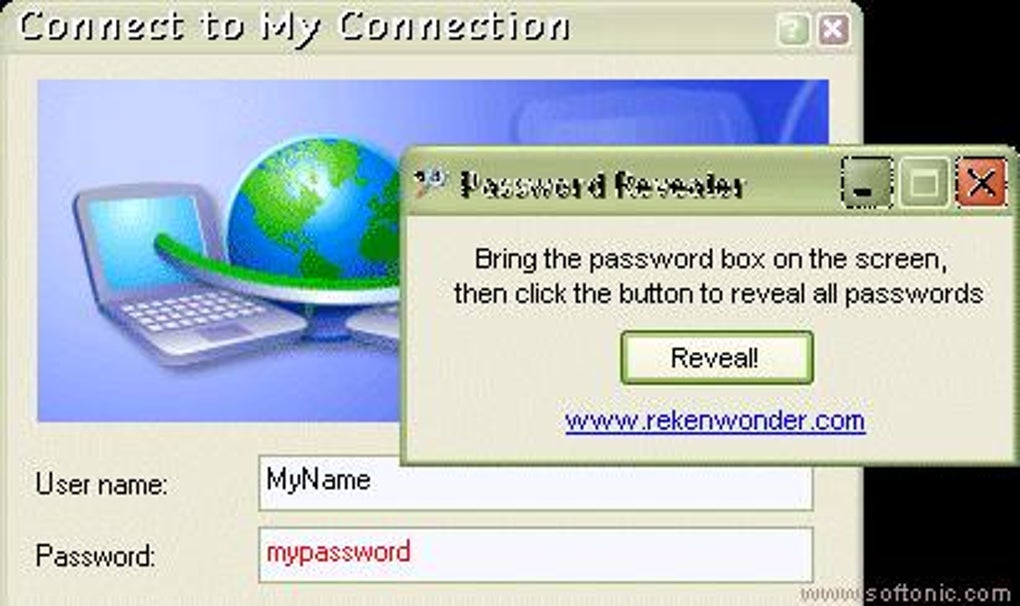
The security implications of Password Revealer were substantial, both for the user and for the applications targeted by the software. By design, the utility operated with elevated privileges, requiring access to system memory and potentially sensitive application data. This inherent vulnerability made the software susceptible to malicious exploitation. A compromised version of Password Revealer could theoretically be used to gather much more data than just passwords, potentially compromising user privacy and system security.
Furthermore, the program’s lack of sophistication in password handling presented another security risk. Unlike modern password managers that employ strong encryption and robust security protocols, Password Revealer offered no protection for the retrieved passwords. This meant that any passwords revealed by the program were vulnerable to interception if the user’s system was compromised. The program’s age means it lacked any of the modern security features we expect from software today, putting users at significant risk.
The simple mechanism by which Password Revealer extracted passwords also highlights vulnerabilities in the applications of the era. Many older applications did not employ the robust password protection strategies common in modern software. This makes Password Revealer a symptom, rather than a cause, of the inadequate security measures present in many applications before the widespread adoption of advanced security protocols.
The Evolution of Password Management and Password Recovery
Password Revealer’s existence highlights the significant evolution in password management since the early 2000s. The software’s simplistic approach contrasts sharply with the sophisticated password managers available today. Modern password managers utilize advanced encryption algorithms to protect stored credentials, offer multi-factor authentication, and often incorporate features like password generation and security audits. These features safeguard against various attack vectors, addressing the shortcomings of earlier methods.
The transition from Password Revealer’s rudimentary techniques to modern password management reflects a broader shift in security practices. The increasing sophistication of cyberattacks has necessitated a fundamental reassessment of how we handle and protect sensitive data. This has led to the development of more robust security protocols across all aspects of software development, encompassing stronger encryption methods, more secure authentication processes, and improved data protection strategies.
The shift from programs like Password Revealer also emphasizes the importance of responsible software development. The program’s lack of security features was not merely an oversight but a reflection of the less mature understanding of security best practices prevalent at the time. Modern software development emphasizes security as an integral aspect of the design process, implementing security measures from the initial stages of development, rather than as an afterthought.
Password Revealer’s Legacy and Modern Alternatives
Password Revealer, despite its functional limitations and security risks, provides a valuable historical perspective on the evolution of password management. Its existence serves as a stark reminder of the security challenges faced in the early days of computing, highlighting the significant progress made in the field. In essence, Password Revealer represents a stepping stone in the development of more robust and secure password management solutions.
Today, there are several reputable and secure alternatives available for managing and recovering passwords. These alternatives leverage advanced technologies to overcome the vulnerabilities associated with tools like Password Revealer. Reputable password managers offer encrypted storage, strong password generation features, and multi-factor authentication, providing significantly improved security.
However, it is crucial to exercise caution when selecting a password manager. Users should only choose reputable and well-established providers with proven track records in security. It’s vital to scrutinize a password manager’s security features, privacy policies, and user reviews before entrusting sensitive credentials to the service.
Conclusion: Learning from the Past to Secure the Future
Password Revealer’s legacy is not one of success, but rather a valuable lesson in the evolution of password management and the importance of robust security practices. Its simple, memory-based approach is outdated and inherently insecure, reflecting a time when the understanding of cybersecurity was far less developed. The advancements made in password management since its release highlight the critical need for sophisticated security measures, particularly when handling sensitive data such as passwords. By understanding the limitations and vulnerabilities of earlier tools, users can make more informed decisions when selecting modern password management solutions, prioritizing security and protecting themselves against potential threats. The legacy of Password Revealer underscores the continuous evolution of cybersecurity and the importance of staying abreast of best practices to safeguard personal information in the ever-evolving digital landscape.
File Information
- License: “Free”
- Version: “1.0”
- Latest update: “October 3, 2003”
- Platform: “Windows”
- OS: “Windows 98”
- Language: “English”
- Downloads: “233.1K”
- Size: “411.65 KB”


