
Patrick’s Parabox, developed by Patrick Traynor, is a captivating puzzle game that transcends the typical box-pushing mechanics found in games like Sokoban. Instead of simply maneuvering boxes within a confined space, Patrick’s Parabox introduces a revolutionary recursive element, creating a multi-layered, mind-bending experience that challenges players to think outside – or rather, inside – the box. This unique approach to puzzle design elevates the familiar gameplay to a whole new level of complexity and intrigue, offering hundreds of handcrafted challenges that will test your spatial reasoning and problem-solving abilities.
The Gameplay: Boxes Within Boxes Within Boxes
At its core, Patrick’s Parabox presents a deceptively simple premise: players navigate a box-shaped world, pushing smaller boxes around to reach designated target squares. The primary objective in each level is to position every box correctly, often culminating in moving your character onto a specific target square as well. The challenge, however, lies in the game’s recursive nature. Specific boxes within the game world aren’t just obstacles; they function as portals to nested sub-levels. These “recursive boxes,” as they might be called, act as containers for entirely new puzzle spaces within the larger game world.
Pushing one of these special boxes against a wall doesn’t merely obstruct its movement; it triggers a transition into its enclosed space. Suddenly, you are immersed in a smaller, self-contained puzzle level, contained within the box you just pushed. The objective in these sub-levels often plays a crucial role in completing the main level’s objective. You might need to solve the inner puzzle to obtain a key item, or reposition a box in the inner level to affect its position in the outer level. This creates a dynamic interplay between the main level and its contained sub-levels, demanding a holistic approach to solving each puzzle. Failure to navigate these recursive layers effectively can easily lead to a sense of disorientation and frustration, as players struggle to manage the interplay between multiple layers of the game world.
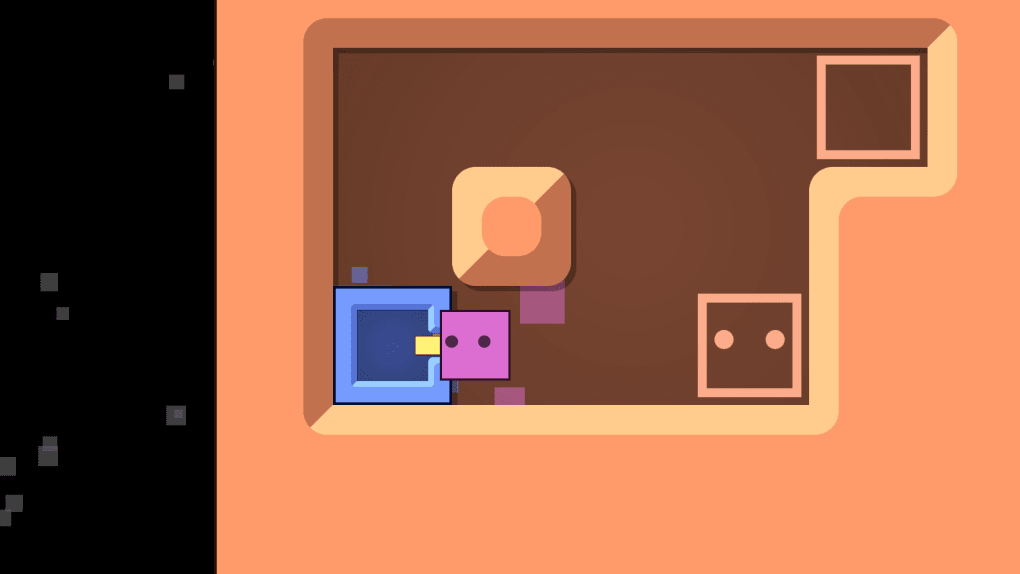
The intuitive design of the movement mechanics however, makes this intricate gameplay fairly approachable. The character controls are simple enough to allow players to fully focus on the logic of the puzzles, making it suitable for a range of players and skill levels. The lack of complex control schemes means that the primary focus remains on the unique puzzle designs. The simple but effective visual aesthetic further enhances this focus, providing clear visual cues and removing any unnecessary graphical distractions.
The Puzzles: A Test of Spatial Reasoning
Patrick’s Parabox boasts over 350 handcrafted puzzles, a testament to the game’s design depth. While the demo version provides only 30 levels, it offers a compelling taste of the game’s full potential, successfully showcasing the elegance and complexity of its recursive mechanics. The initial puzzles in the demo version are generally straightforward, serving as a tutorial for the recursive concept. These introductory puzzles ease the player into the core mechanics, allowing them to grasp the fundamental principles of manipulating boxes and navigating the recursive aspects without being overwhelmed by complex level designs. The gradual increase in difficulty as the player progresses through the levels ensures a steady learning curve that maintains engagement and prevents frustration.
As the player progresses, the puzzles become increasingly intricate, requiring a higher level of strategic thinking and a deep understanding of the recursive system. Some puzzles require players to manipulate boxes across multiple layers, anticipating how actions in one level will affect others. The challenges presented are not merely about brute-force attempts at moving boxes; they require a nuanced understanding of spatial relationships and the interconnectedness of different puzzle layers. This level of depth is what elevates Patrick’s Parabox from a simple box-pushing game to a true mind-bending puzzle experience. Players must develop a keen eye for detail, planning several steps ahead and mentally visualizing the effects of their actions across multiple recursive levels. Successful navigation necessitates a holistic understanding of the game’s interconnected systems.
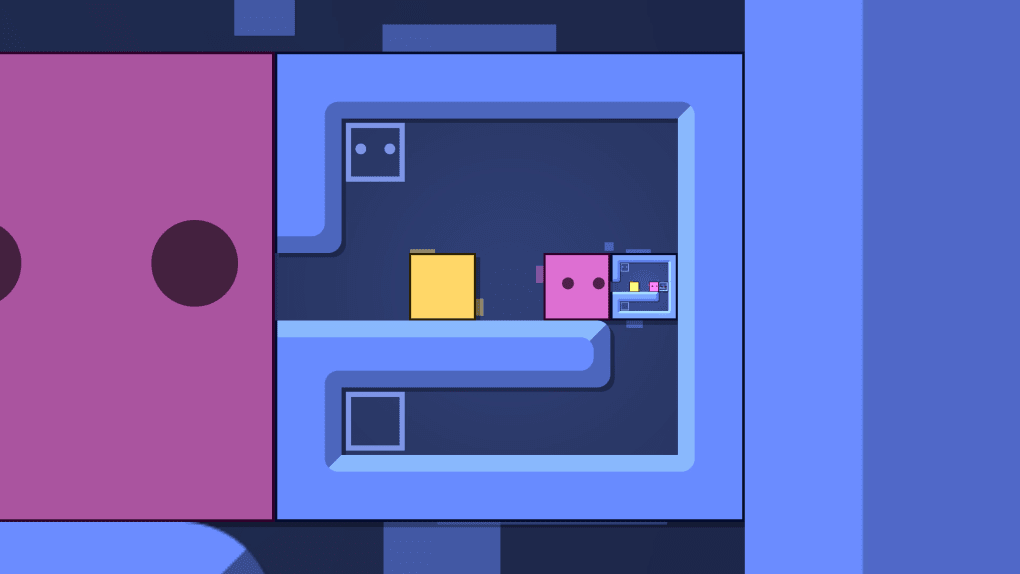
The difficulty curve is well-managed, gently escalating to maintain an engaging challenge without resorting to unfair or frustrating obstacles. The game smartly uses its recursive mechanic to build up complexity – simple levels serve to introduce the mechanics, while more complex levels blend multiple recursive layers to test the player’s problem-solving skills to the fullest.
The Recursive Element: A Unique Twist on a Classic
The inclusion of recursion is what sets Patrick’s Parabox apart from other box-pushing games. This innovative mechanic adds a layer of complexity that dramatically alters the strategic considerations involved in solving each puzzle. The seemingly simple act of pushing a box takes on a new dimension, potentially opening up an entirely new level within a level. Players must not only consider the immediate effects of their actions but also anticipate their cascading consequences across nested levels. This requires a high degree of forethought and spatial awareness, turning each puzzle into a multi-dimensional challenge.
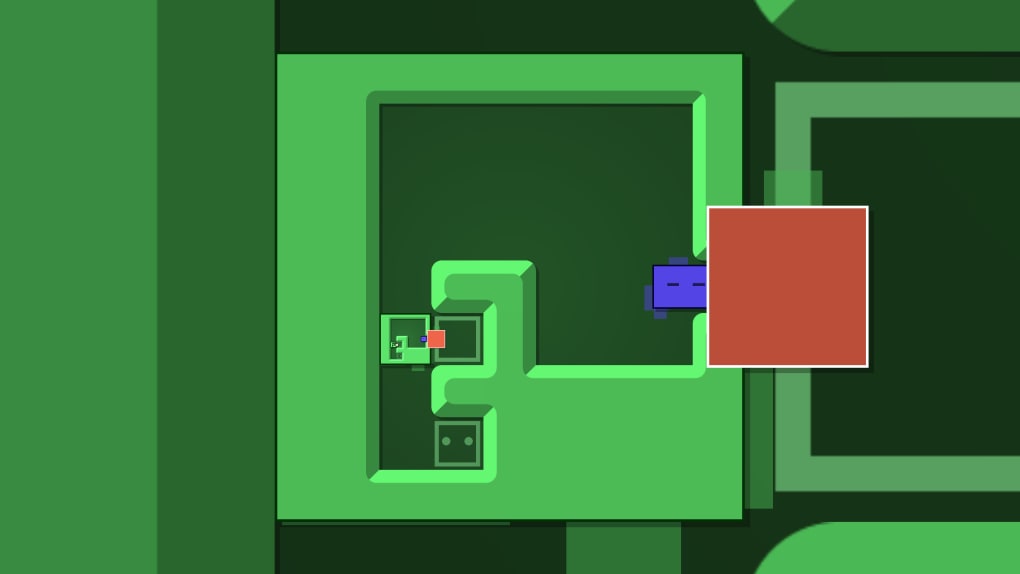
The recursive layers are seamlessly integrated into the game’s design, adding a dynamic, ever-evolving element to the puzzle-solving experience. Players find themselves not just navigating a single plane but constantly transitioning between different levels, sometimes unexpectedly. This element of surprise keeps the gameplay fresh and prevents players from developing repetitive solutions. The need to juggle and anticipate the outcomes across multiple levels dramatically increases the strategic depth and overall difficulty.
Furthermore, the integration of recursion is not arbitrary; it’s thoughtfully woven into the puzzle designs, adding to both the aesthetic and intellectual appeal of the game. The nesting of puzzles within puzzles creates a sense of depth and intrigue, allowing players to unravel intricate spatial relationships and uncover hidden connections between seemingly disparate elements within the game.
The Aesthetics: Simple, Elegant, and Functional
Patrick’s Parabox doesn’t rely on flashy graphics or elaborate animations. Its visual style is minimalistic, with a focus on clear, functional design. The simple, uncluttered aesthetic serves the gameplay, ensuring that players can easily focus on the puzzles without being distracted by unnecessary visual elements. The clean, straightforward visuals enhance clarity, ensuring that players can easily distinguish between boxes, target areas, and other important elements within the game. The absence of extraneous details doesn’t detract from the game’s experience; instead, it reinforces the emphasis on strategic thinking and problem-solving. The overall visual experience is pleasant and highly functional, enhancing the overall engagement with the gameplay.
The understated visuals further complement the game’s complex mechanics. The absence of dazzling graphics allows the focus to remain entirely on the puzzle-solving aspect, without any visual clutter to detract from the intellectual challenge. This minimalistic approach allows the core gameplay elements to shine through, providing a clean and immersive experience. The game’s simple aesthetic perfectly complements its intricate recursive gameplay.
Should You Play Patrick’s Parabox?
Patrick’s Parabox offers a unique and refreshing take on the classic box-pushing genre. The innovative addition of recursion elevates the gameplay to a new level of complexity and strategic depth. While the demo version provides a limited number of levels, it’s sufficient to showcase the game’s core mechanics and provide a solid indication of the satisfying and intellectually stimulating gameplay experience to come. If you’re seeking a challenging yet satisfying puzzle game that will truly test your spatial reasoning and problem-solving abilities, Patrick’s Parabox is undoubtedly worth exploring. Its simple yet effective visuals, smooth performance, and intuitive controls make it an accessible yet deeply engaging experience. The unique recursive element adds a fresh perspective to a well-established genre, guaranteeing a unique and challenging experience.
The limited number of levels in the demo might be a minor drawback for some players. However, the quality and complexity of the included puzzles more than compensate for this limitation, offering a sufficient taste of the full game’s potential. For those who appreciate intellectually stimulating puzzles and innovative game design, Patrick’s Parabox should be considered a must-try. The game provides a testament to the power of simple yet effective game design, demonstrating how a seemingly simple mechanic can lead to a remarkably complex and engaging gaming experience.
File Information
- License: “Demo”
- Version: “demo”
- Latest update: “January 17, 2022”
- Platform: “Windows”
- OS: “Windows 10”
- Language: “English”
- Downloads: “11.2K”


