PeerGuardian is a free, open-source application designed to enhance user privacy and security, primarily within peer-to-peer (P2P) networks. It functions as an IP address blocker, allowing users to create and manage lists of IP addresses to block, effectively shielding their connection from unwanted or potentially malicious traffic. While its interface might appear simplistic at first glance, its robust functionality makes it a powerful tool for those seeking increased control over their online interactions. This comprehensive review will explore PeerGuardian’s features, benefits, limitations, and its place within the broader landscape of online privacy tools.
Understanding PeerGuardian’s Core Functionality
At its heart, PeerGuardian operates by filtering network traffic based on IP addresses. Users can leverage pre-built lists of known problematic IP addresses or create their own custom lists, offering a high degree of customization. The application monitors outgoing and incoming connections, blocking any attempts to communicate with IP addresses present on these lists. This blocking mechanism helps prevent unwanted connections, potential malware downloads, and tracking attempts, especially beneficial in P2P environments where exposure to various IP addresses is more frequent.
The effectiveness of PeerGuardian relies heavily on the accuracy and up-to-dateness of the IP address lists it utilizes. Regular updates to these lists are crucial, as IP addresses can change, and new malicious actors continuously emerge. Fortunately, PeerGuardian incorporates automatic update functionality, ensuring the lists remain current and effective in blocking threats. However, users should also be mindful of the possibility of false positives, where legitimate IP addresses might be mistakenly included in the block lists. Manual review and careful management of the lists can help minimize such instances.
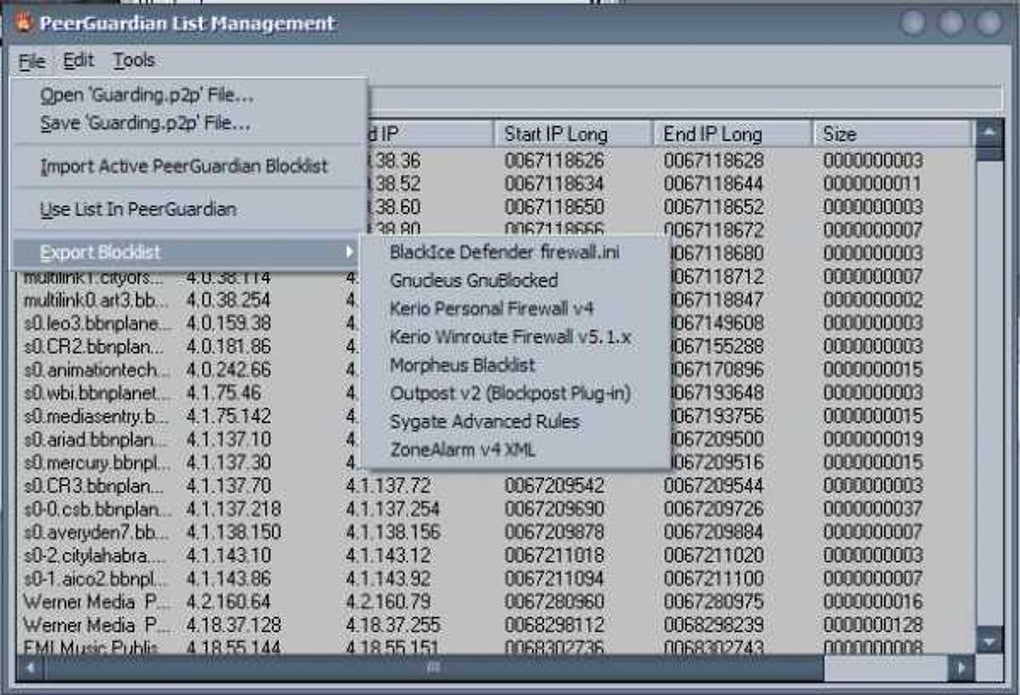
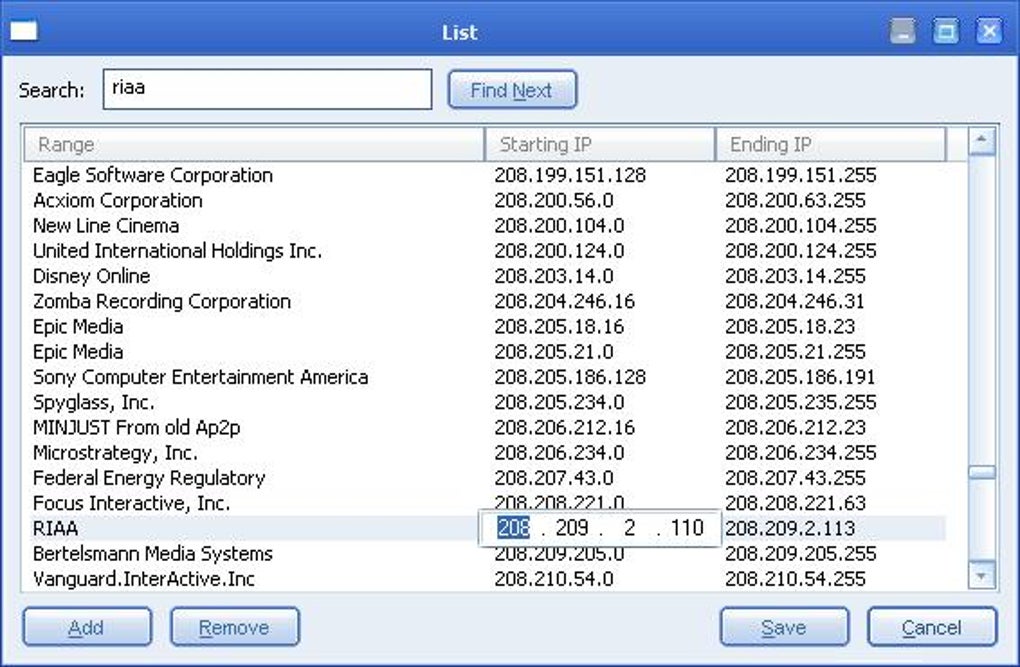
Beyond its core blocking feature, PeerGuardian offers a list editor, facilitating easy management of IP address lists. Users can add, remove, and edit entries, allowing for precise control over the blocked IP addresses. The support for multiple lists further enhances its versatility, permitting users to maintain separate lists for different purposes or networks. This feature is particularly useful for those frequently switching between different P2P applications or networks, enabling the application of tailored blocking lists based on context.
PeerGuardian’s Strengths and Weaknesses
PeerGuardian’s primary strength lies in its simplicity and effectiveness in blocking unwanted IP addresses. Its free availability and open-source nature make it accessible to a wide range of users, regardless of technical expertise. Furthermore, the program’s relatively small size and low resource consumption minimize its impact on system performance. This is a key advantage compared to some more resource-intensive security applications.
However, the program’s user interface presents a significant drawback. Its basic design, while functional, can be challenging for novice users to navigate and fully understand. The lack of an intuitive graphical interface and detailed documentation may hinder its adoption by individuals unfamiliar with network security concepts or command-line interfaces.
Another potential limitation is the reliance on external lists of IP addresses. While the automatic update functionality is a positive aspect, it’s essential to acknowledge the dependence on the accuracy and reliability of these third-party lists. Inaccurate or outdated lists could inadvertently lead to the blocking of legitimate connections or the failure to block harmful ones.
PeerGuardian in the Context of Modern Security Software
In today’s complex digital landscape, PeerGuardian, despite its strengths, is not a replacement for a comprehensive security suite. While it excels at blocking specific IP addresses, it lacks the broader functionalities of modern antivirus software, firewalls, or VPNs. It does not offer real-time protection against malware or viruses, nor does it encrypt network traffic, masking the user’s online activities from third-party surveillance.
Instead, PeerGuardian should be viewed as a supplementary tool, adding an extra layer of security and privacy to an already robust security setup. Its effectiveness is significantly enhanced when combined with a reputable antivirus program, a firewall, and potentially a VPN, depending on the user’s security needs and risk tolerance.
This layered approach maximizes protection by combining various security mechanisms. The antivirus software protects against malware, the firewall controls network access, the VPN encrypts traffic and masks the user’s IP address, and PeerGuardian provides an extra layer of granular control by selectively blocking specific IP addresses. This multi-faceted approach creates a more robust defense against a wider range of online threats.
PeerGuardian: Who Should Use It?
PeerGuardian is most beneficial for users involved in activities that involve frequent interaction with various IP addresses, particularly P2P file sharing. The program can effectively reduce the risk of unwanted connections and potential threats associated with such activities. Users who prioritize privacy and want more control over their network traffic can greatly benefit from PeerGuardian’s functionality.
However, users who are unfamiliar with network security concepts or who prefer a more user-friendly and visually appealing interface might find PeerGuardian’s simplicity a drawback. For such users, alternative applications with more intuitive interfaces and broader functionalities might be a more suitable option.
Individuals with limited technical expertise should carefully consider their comfort level with the application’s interface before deploying it. While the program’s core functionality is straightforward, the lack of detailed guidance and user-friendly features might lead to frustration for those not comfortable working with more technical aspects of computer networking.
Ultimately, PeerGuardian’s suitability depends on individual user needs and technical expertise. While its effectiveness in blocking IP addresses is undeniable, its simplicity and potential challenges in terms of usability must be carefully weighed against the user’s specific requirements and technical capabilities.
Conclusion: PeerGuardian’s Role in a Multi-Layered Security Strategy
PeerGuardian remains a valuable tool for enhancing online privacy and security, particularly within P2P networks. Its strengths lie in its simplicity, effectiveness in blocking specific IP addresses, and its free availability. However, its limitations, primarily its basic interface and reliance on external IP address lists, necessitate a realistic assessment of its capabilities and limitations.
It is crucial to understand that PeerGuardian is not a standalone solution for comprehensive online security. It works best as a complementary tool within a multi-layered security strategy, complementing the functions of other security software like antivirus programs, firewalls, and VPNs. By integrating PeerGuardian into a comprehensive security approach, users can further enhance their online protection and privacy, creating a more robust defense against the ever-evolving threats in the digital landscape. Its effectiveness directly depends on the user’s proactive management of IP address lists and understanding of its capabilities and limitations within a broader security framework.
File Information
- License: “Free”
- Latest update: “May 24, 2023”
- Platform: “Windows”
- OS: “Windows 2000”
- Language: “English”
- Downloads: “144.4K”
- Size: “1.67 MB”