
Pro Evolution Soccer 2012 (PES 2012), the mobile iteration of Konami’s acclaimed soccer simulation franchise, arrived as a significant entry in the mobile gaming landscape. While not possessing the graphical fidelity of its console counterpart, PES 2012 successfully translated the core gameplay mechanics and strategic depth that defined the PES series onto a smaller screen, delivering a compelling and engaging soccer experience for mobile users. This review delves into the game’s features, strengths, and weaknesses, offering a retrospective look at this classic mobile title.
Gameplay and Control: Smooth Action on the Go
PES 2012 on mobile retained the fluid and responsive gameplay that characterized the main series. While compromises were naturally made due to the limitations of mobile hardware at the time, the core mechanics of passing, shooting, tackling, and dribbling remained true to the console experience. The game offered three different control schemes, allowing players to tailor their experience to their preferred play style and the level of precision they desired. This adaptability catered to a wider range of players, from casual fans to those seeking a more nuanced and strategic approach.
One significant improvement noted by long-time PES players was the enhanced sprinting speed and responsiveness. Players could cover the pitch with greater agility, making for faster-paced and more dynamic gameplay. The ball physics also received an upgrade, with headers and shots feeling more realistic and impactful. This increased control, however, didn’t make scoring easy, especially on higher difficulty settings, adding to the game’s challenge and rewarding skillful play. Even when facing tough opponents, players could rely on their AI teammates to offer support, intelligently contributing to both offensive and defensive strategies.
The game also provided a good balance between simulation and arcade-style action. While the game strived for realism, it wasn’t overly complex or difficult for casual players to pick up and enjoy. The intuitive controls and responsive gameplay ensured a smooth and enjoyable experience across all skill levels.
Game Modes: Variety to Keep You Engaged
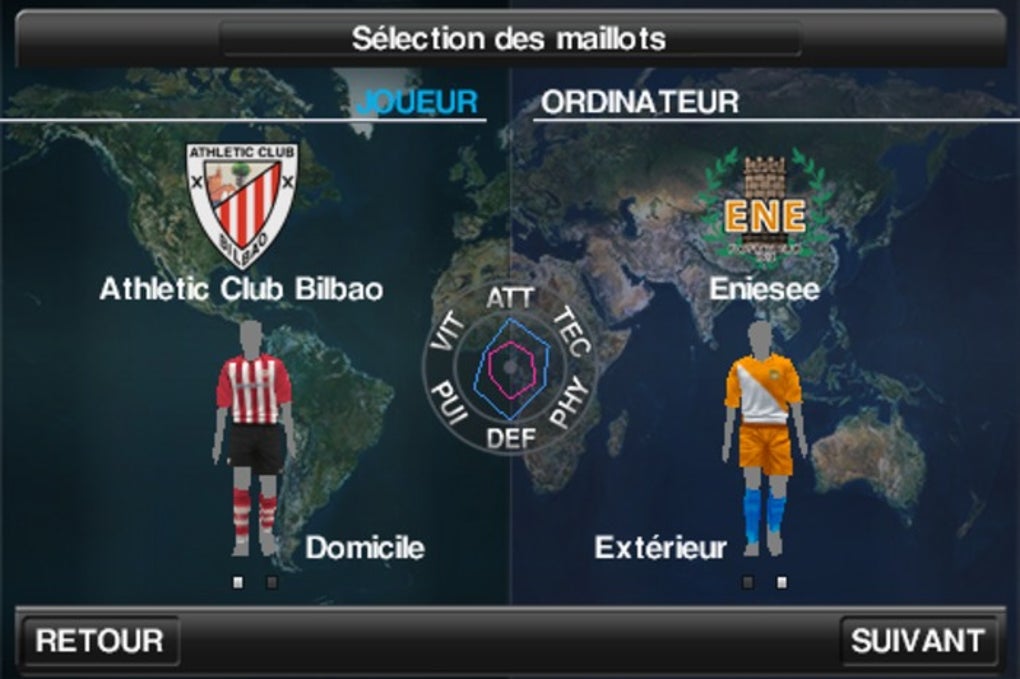
PES 2012 offered a robust collection of game modes, providing ample replayability and ensuring players would always have a new challenge to tackle. Quick matches allowed for rapid bursts of soccer action against either the AI or other players online. The classic Exhibition mode provided a customizable experience, allowing players to choose teams and play single matches to their liking.
League and Cup modes offered more structured experiences. Players could lead their chosen team through a full domestic league season or compete in cup competitions, providing a more long-term engagement beyond the simplicity of individual matches. The inclusion of European Leagues provided further depth and variety, letting players experience the thrill of continental competition.
A notable addition for the mobile version was the Super Challenge mode. Serving as a mobile adaptation of the Master League mode from the console games, Super Challenge allowed players to manage a team, make transfers, select players, and strategically navigate their team to victory through league and cup competitions. This mode added a significant management element, transforming the experience from solely player-focused gameplay to encompass strategic squad building and long-term planning.
Furthermore, the Super Challenge mode had a unique element: the ability to utilize the team built in this mode for online matches against friends in a Match Challenge. This integration of single-player and multiplayer elements enhanced the overall experience, allowing players to test their managerial skills and then directly compete with others using their crafted squads.
The Free Kick Challenge, another welcome addition, offered a refreshing change of pace. This minigame challenged players to score free kicks with precision and accuracy, aiming for targets within a time limit. Its straightforward nature made it easily accessible, but it retained a degree of skill and strategy, proving to be a more technically challenging and enjoyable alternative to simpler mobile soccer experiences.
Social Features and Multiplayer: Connecting with Friends
PES 2012 incorporated social features, enhancing the game’s community aspect. Facebook integration enabled players to share their achievements and challenge friends, fostering competition and interaction within their social networks. This connectivity added a social dimension, transforming the gameplay experience from a solitary pursuit to one encompassing shared experiences and friendly rivalry. The Match Challenge, leveraging the Super Challenge teams, became a central point for this social interaction.
Graphics and Sound: A Visually Appealing Experience
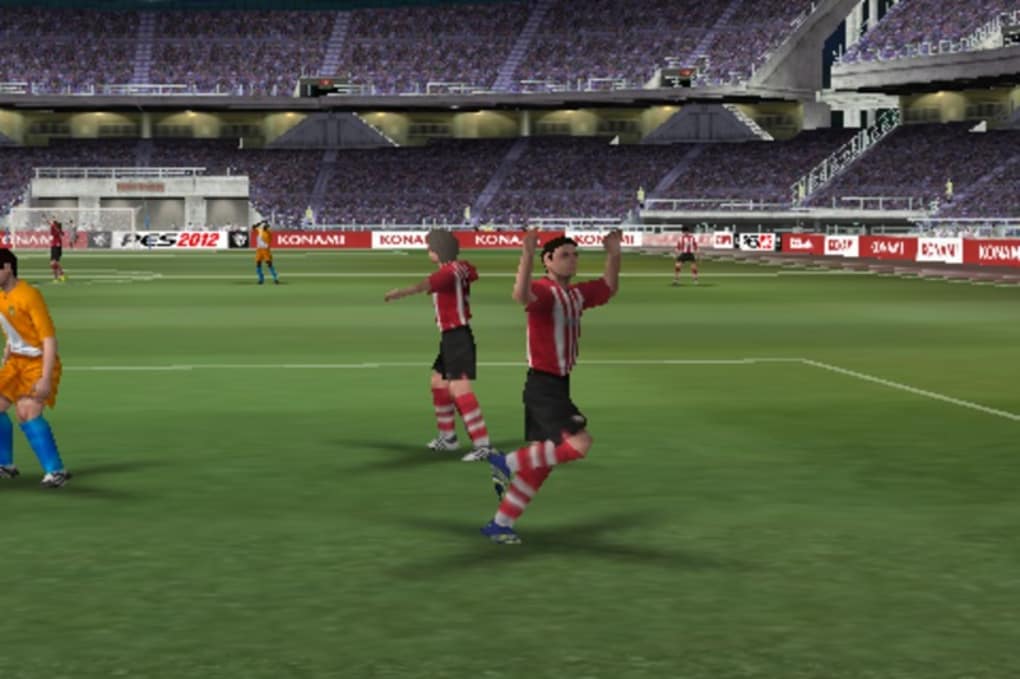
While not matching the visual splendor of its console siblings, PES 2012 featured surprisingly detailed graphics for its time. The player models were well-defined, the animations were smooth and realistic (relative to mobile standards of the time), and the overall presentation enhanced the sense of immersion. The in-game sound effects, including the roar of the crowd and the sounds of boots hitting the ball, contributed effectively to the atmosphere and made the experience more engaging and realistic. The interface, too, received an upgrade, showing an improvement over earlier iterations.
Strengths and Weaknesses: A Balanced Perspective
PES 2012 succeeded in bringing a satisfying soccer experience to mobile devices. Its strengths lay in its smooth gameplay, intuitive controls, diverse game modes, and the addition of engaging social features and the Super Challenge mode. The inclusion of multiple control schemes catered to different player preferences, ensuring accessibility across a wide spectrum of skill levels.
However, the game had its limitations. The most significant drawback was the absence of officially licensed teams and players. This deficiency, while common in mobile soccer games at that time, impacted the overall realism for many dedicated soccer fans. The lack of substantial new features, beyond the Free Kick Challenge and enhanced social elements, might have been perceived as a disappointment by players expecting more extensive updates over previous iterations.
Conclusion: A Legacy of Mobile Soccer Excellence
Despite its shortcomings, PES 2012 holds a significant place in the history of mobile soccer games. It proved that a sophisticated and engaging soccer experience could be delivered on mobile devices, without sacrificing the core gameplay elements that made the PES series so popular. Its smooth gameplay, diverse game modes, and innovative social features cemented its reputation as a solid mobile title. While newer and more graphically advanced soccer games have emerged since, PES 2012 remains a notable milestone in the evolution of mobile sports gaming, showcasing how a classic franchise could successfully adapt to a new platform. While some may find its lack of licensed teams and limited new content a drawback, its engaging gameplay and the innovative Super Challenge mode made it a rewarding and fun experience for many. For players nostalgic for a classic mobile soccer experience, or those curious about the evolution of mobile gaming, PES 2012 is worth revisiting.
File Information
- License: “Full”
- Version: “1.0.5”
- Latest update: “July 15, 2023”
- Platform: “Android”
- OS: “Android 4.0”
- Language: “English”
- Downloads: “2.5M”
- Size: “31.24 MB”
- Download Options: “APK, Google Play”
- Filename: “pes_2012_pro_evolution_soccer.apk”


