
Pro Evolution Soccer (PES) 2015 marked a significant step forward for Konami’s long-running soccer franchise. While it didn’t entirely dethrone FIFA in the overall gaming market, PES 2015 offered a compelling alternative, boasting improvements in gameplay, animations, and overall atmosphere that narrowed the gap considerably. This review delves into the strengths and weaknesses of PES 2015, examining its core gameplay mechanics, graphics, game modes, and ultimately, its place in soccer gaming history.
Enhanced Gameplay and Responsive Controls
One of the most noticeable improvements in PES 2015 was the enhanced gameplay. While the control scheme retained a familiar feel for veteran PES players, the refined animations significantly impacted responsiveness. Player movement felt smoother and more realistic, leading to more fluid and believable actions on the pitch. Gone was the somewhat sluggish, “bowling ball” physics of previous iterations; the ball physics were vastly improved, allowing for more precise passes, shots, and dribbling. This enhanced physics engine made for a more strategically rewarding experience, giving players more time and space to strategize and execute tactical maneuvers.
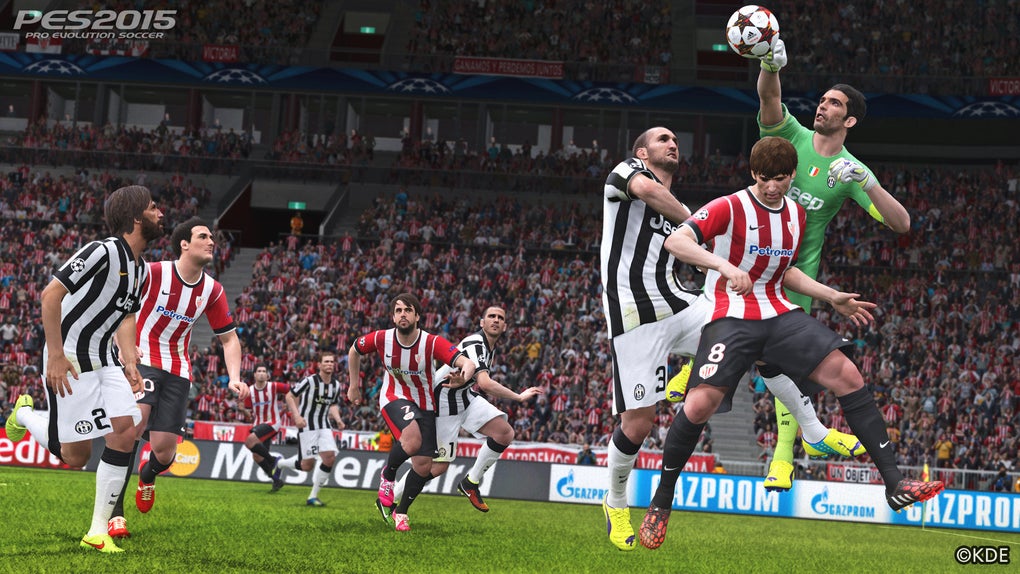
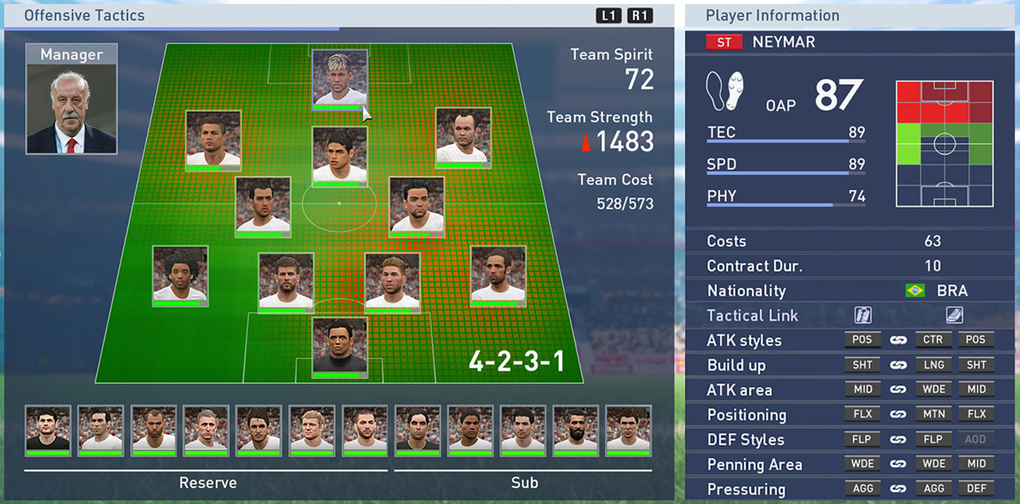
The increased responsiveness extended beyond individual player control to the overall flow of the game. The pace of PES 2015 felt more balanced than FIFA’s, avoiding the frenetic speed that sometimes hampered strategic gameplay in its competitor. This slower, more deliberate pace provided opportunities for thoughtful team tactics and allowed players to fully utilize the game’s strategic depth. PES 2015’s robust formation and tactic creation systems allowed players to craft customized strategies for various opponents and match scenarios, adding another layer of strategic complexity to the game. This dynamic tactical approach enabled players to adapt their strategies mid-match, responding to the opponent’s actions and evolving game situations in a way that felt more realistic and engaging.
AI and Team-Specific Play Styles
The Artificial Intelligence (AI) in PES 2015 received a substantial overhaul. Unlike previous iterations, where AI opponents often exhibited predictable behavior patterns, PES 2015’s AI proved to be more adaptable and challenging. The AI’s ability to learn from player tactics and adjust accordingly elevated the difficulty and overall competitive nature of the game, ensuring that matches felt fresh and unpredictable from one game to the next. A remarkable aspect of PES 2015’s AI was its ability to accurately reflect the distinctive playing styles of major football teams. Teams like FC Barcelona, known for their possession-based gameplay, Real Madrid’s reliance on speed and counter-attacks, and Bayern Munich’s blend of strength and unpredictability were faithfully represented, further enhancing the game’s realism and immersion.
Improved Graphics and Atmospheric Presentation
PES 2015 also made strides in its visual presentation. The graphics experienced a noticeable upgrade, showcasing improved player models that bore a striking resemblance to their real-life counterparts. Minor details, often overlooked in previous iterations, were now meticulously rendered, adding to the overall realism of the game. The game’s atmospheric presentation played a significant role in enhancing the overall immersion. Stadium environments were richly detailed and the crowd reactions, encompassing the audio and visual aspects, were exceptionally well-executed. The intensity of the crowd’s cheers and roars directly correlated to the events on the field, creating a dynamic and responsive atmosphere that mirrored the tension and excitement of a real football match. This attention to detail created an immersive environment that transported players into the heart of the action.
Game Modes and Licensed Content
PES 2015 offered a robust selection of game modes catering to different preferences. Beyond the standard exhibition matches, players had access to various game modes including international competitions, a thriving online multiplayer experience, the Master League, Become a Legend, and the newly introduced My Club mode, which directly competed with FIFA’s popular Ultimate Team mode. My Club allowed players to build and manage their own dream teams, competing against other players online. While PES 2015 secured licenses for major international tournaments like the Champions League, Europa League, and European Super Cup, it lagged behind FIFA in terms of national league licenses. This meant that some national leagues were present but featured generic team names and kits, a significant drawback for players who prized authenticity and detailed representation of their favorite domestic leagues. However, the presence of a comprehensive training mode, offering skill-based tutorials, proved beneficial for new players, easing their entry into the game’s mechanics.
Shortcomings and Areas for Improvement
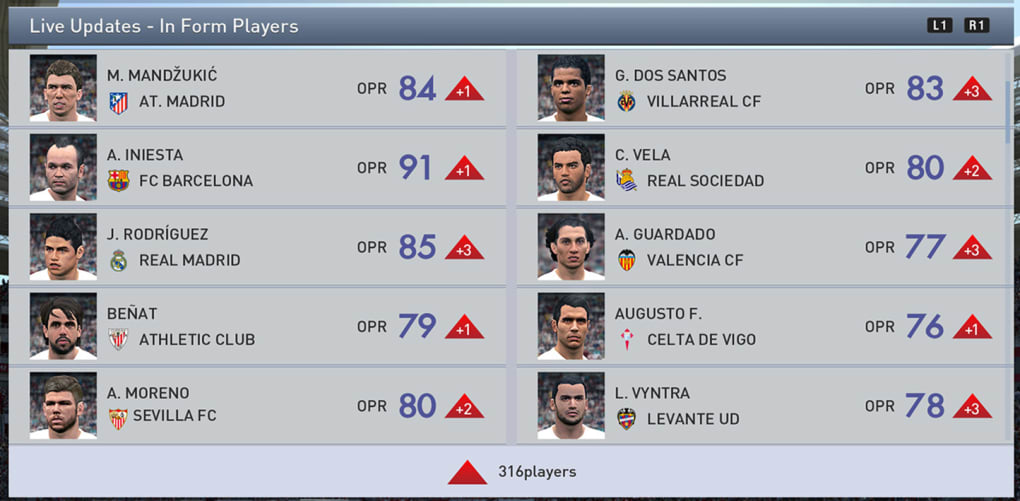
Despite its many improvements, PES 2015 wasn’t without its shortcomings. The most prominent issue was the limited number of officially licensed leagues and teams compared to its main competitor, FIFA. This impacted the game’s overall appeal for fans who highly valued the authentic representation of their favorite teams and leagues. Furthermore, the game’s menu interface felt somewhat dated and visually unappealing, in contrast to the improvements in the game’s graphics engine. While the majority of the in-game animations were substantially enhanced, some animations still lacked polish and occasionally felt unnatural or clunky.
Conclusion: A Contender in the Soccer Game Arena
PES 2015 represented a significant leap forward for Konami’s football franchise. The improvements in gameplay, animations, AI, and atmospheric presentation created a more immersive and enjoyable experience. The introduction of the My Club mode provided a compelling alternative to FIFA’s popular Ultimate Team, while the enhanced strategic depth allowed for more nuanced tactical planning and execution. However, the lack of extensive licensing and the dated menu interface remained notable drawbacks. Despite these issues, PES 2015 convincingly demonstrated Konami’s commitment to improving their football simulator, narrowing the gap with FIFA and solidifying its position as a strong contender in the soccer gaming market. For players who value realistic gameplay, strategic depth, and an immersive atmosphere, PES 2015 offered a compelling alternative to the established dominance of FIFA. Its legacy remains a testament to Konami’s dedication to enhancing the game, even though it couldn’t fully displace FIFA from the top spot. The improvements showcased in PES 2015 formed a foundation for future iterations of the franchise, promising continued advancements and a more balanced competition in the years to come.
File Information
- License: “Demo”
- Latest update: “January 8, 2019”
- Platform: “Windows”
- OS: “Windows 8.1”
- Language: “English”
- Downloads: “1.2M”


