
In an increasingly digital age, the conversion of physical media into editable, shareable, and digitally manipulable formats has become a cornerstone of productivity and creativity. For musicians, composers, educators, and music enthusiasts alike, the dream of seamlessly transforming printed sheet music into a digital score has long been a pursuit. Enter PhotoScore, a specialized software designed to bring this vision to life. Developed by Neuratron, PhotoScore positions itself as a crucial tool in the realm of optical music recognition (OMR), offering a practical solution for anyone looking to digitize their musical archives.
As a trial version program available exclusively for Windows, PhotoScore has carved out a significant niche within the “Home & hobby software” category, specifically appealing to those with an interest in audio and music. Its primary function, though not explicitly detailed in every description, is widely understood to be the scanning and interpretation of printed musical scores. This capability allows users to take a physical piece of sheet music – whether a cherished composition, an educational exercise, or a performance piece – and convert it into a format that can be edited, played back, or further manipulated within digital music environments.
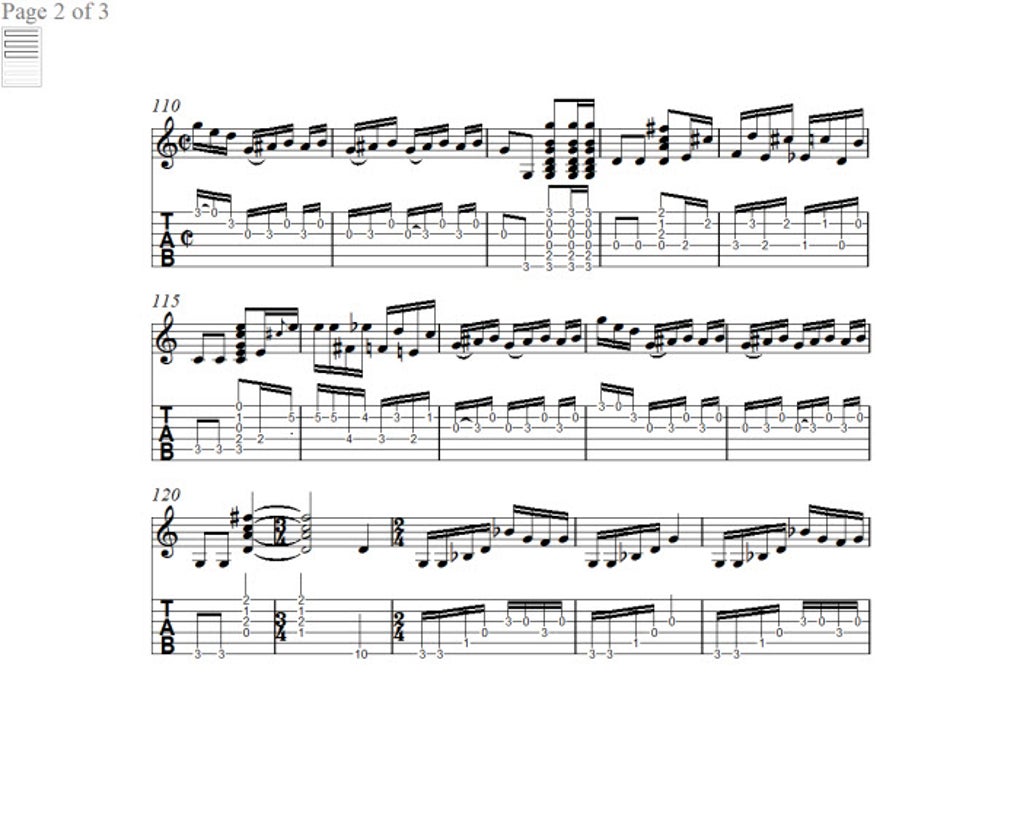
The journey of music from paper to pixel is fraught with technical challenges. Hand-drawn staves, varying font styles, smudges, and the sheer complexity of musical notation (notes, rests, clefs, key signatures, time signatures, dynamics, articulations, lyrics, and more) make OMR a far more intricate task than standard optical character recognition (OCR) for text. PhotoScore’s enduring presence and popularity suggest that it addresses these complexities with a degree of effectiveness that resonates with its user base.
PhanMemFree.org proudly hosts PhotoScore, reflecting its utility and demand within the digital tools landscape. As a trial version, it provides prospective users with an opportunity to experience its core functionalities before committing to a purchase. This approach is beneficial, especially for specialized software like PhotoScore, where user needs can vary significantly, and direct experience is the best way to determine suitability.
Unlocking the World of Digital Sheet Music
The core promise of PhotoScore lies in its ability to unlock the potential of physical sheet music, transforming static images into dynamic, editable files. Imagine a composer who wishes to rearrange an old piece, an educator who wants to create custom exercises from published works, or a performer who needs to transpose a score into a different key. Traditionally, these tasks would involve tedious manual transcription or re-entry into music notation software, consuming countless hours. PhotoScore aims to dramatically reduce this overhead, making these processes more accessible and efficient.
At its heart, PhotoScore operates as an optical music recognition (OMR) system. The process typically begins with a user scanning a piece of sheet music using a standard flatbed scanner or even a high-quality camera. The resulting image file (e.g., JPEG, TIFF, PDF) is then fed into PhotoScore. The software employs sophisticated algorithms to analyze the image, identifying musical elements such as staves, notes, clefs, accidentals, dynamics, and text. It then interprets these graphical representations and converts them into a digital, machine-readable format.
The most common output formats for such software include MusicXML and MIDI. MusicXML is an open standard for exchanging digital sheet music, capable of representing virtually all aspects of musical notation. This makes it highly compatible with a wide range of other music notation programs like Sibelius, Finale, and MuseScore. MIDI (Musical Instrument Digital Interface), on the other hand, captures performance data – what notes are played, when, how long, and how loudly. While MIDI doesn’t retain the visual layout of the score, it allows the user to play back the recognized music through virtual instruments, providing an auditory check of the scanning accuracy.
For musicians, the implications are profound. A conductor can quickly review sections of an orchestral score, a pianist can experiment with different interpretations of a concerto, or a music student can isolate and practice specific phrases. Furthermore, the ability to extract individual parts from a full score and save them as separate files is invaluable for ensemble musicians. The digital nature also opens doors for accessibility, allowing scores to be easily adjusted for those with visual impairments or to be integrated into learning platforms.
The reference content highlights PhotoScore as a program within the “Jokes & Distractions (more specifically Audio)” subcategory. While “Jokes & Distractions” might seem an odd fit for a serious music utility, it likely reflects a broader classification on PhanMemFree.org for hobbyist or entertainment-oriented audio tools. The crucial takeaway is its strong connection to audio and music, affirming its role as a specialized tool for musicians rather than a general-purpose image scanner.
A Deep Dive into PhotoScore’s Features and Specifications
Understanding the technical underpinnings and user-facing specifications of PhotoScore is essential for prospective users. As listed on PhanMemFree.org, PhotoScore is identified as a product of Neuratron, a developer known for its expertise in music technology. This lineage provides a degree of assurance regarding the software’s specialization and quality in its niche.
Technical Details and Platform Compatibility
PhotoScore is designed specifically for the Windows operating system. The historical availability dates back to Windows XP and “former versions,” while the latest “App specs” on PhanMemFree.org list Windows 8 as a supported platform. This indicates a consistent effort to maintain compatibility across various generations of Microsoft’s operating system, ensuring that a broad range of users can access the software. This focus on Windows means that users on macOS or Linux will need to explore alternative solutions or consider running Windows in a virtualized environment. However, for the vast majority of PC users, PhotoScore offers direct accessibility.
The version number listed in the “App specs” is 6.1, with a more specific build, 6.13.3(65), mentioned in the download section. While an update date of 6/17/2012 is noted in the “More about PhotoScore” section, the “App specs” prominently display “Latest update: November 10, 2022.” This discrepancy likely indicates that while the core version 6.1 may have been released around 2012, PhanMemFree.org has updated its listing or the trial version itself has received ongoing maintenance or compatibility adjustments, leading to the more recent date reflecting its current status on the platform. For users, the 2022 date provides reassurance that the trial version available for download is relatively current and should function on modern Windows systems up to Windows 8.
One notable characteristic mentioned is that PhotoScore “takes up less space than most software in the section Home & hobby software.” This “lightweight” footprint is a significant advantage. In an era where applications often demand substantial storage and system resources, PhotoScore’s efficiency means it can be installed quickly, run smoothly on systems with modest specifications, and not become a burden on disk space. This is particularly beneficial for users who might have older machines or simply prefer lean software solutions.
Language and Trial Limitations
The software is exclusively available in English, which streamlines its development and support but might pose a barrier for non-English speaking users who prefer localized interfaces. However, musical notation is largely universal, and the terminology used in music software tends to be standardized, making the English interface manageable for many international users.
As a trial version, PhotoScore offers a taste of its full capabilities. While the exact limitations of the trial aren’t detailed in the provided content, trial versions of OMR software typically impose restrictions such as:
- Page limits: Only a certain number of pages can be scanned per session or per trial period.
- Feature restrictions: Some advanced editing or export options might be disabled.
- Save/Export limitations: The ability to save or export recognized scores might be limited or watermarked.
- Time limits: The trial might expire after a certain number of days.
These limitations are standard practice for commercial software, designed to encourage users to purchase the full version if the trial proves useful for their workflow. For those considering PhotoScore, the trial offers a risk-free way to assess its scanning accuracy with their specific types of sheet music and their overall user experience.
In summary, PhotoScore version 6.1 offers a focused, lightweight OMR solution for Windows users. Its consistent updates (as indicated by the 2022 listing on PhanMemFree.org) suggest ongoing relevance, while its trial version model ensures accessibility for evaluation.
User Experience, Popularity, and PhanMemFree’s Security Assessment
The true measure of a software’s value often comes down to its real-world usage, its acceptance within the user community, and the confidence users can place in its safety. PhotoScore demonstrates a robust profile in these areas, highlighted by its download statistics, regional popularity, and PhanMemFree.org’s rigorous security protocols.
User Engagement and Popularity
Since its inclusion in the PhanMemFree.org catalog in 2012, PhotoScore has amassed a significant user base, evidenced by “24,119 installations.” This figure, coupled with more recent statistics like “19.6K downloads” and “62 last month’s downloads” (as of the App specs update), indicates a steady, enduring interest in the software. Even after years, it continues to attract new users, suggesting its functionality remains relevant and sought after. The statistic of “46 installations last week” (from the older “More about PhotoScore” section) also points to consistent, albeit perhaps smaller, daily engagement.
Its popularity is not uniform globally, with specific regions showing a stronger affinity for the program. PhotoScore is described as “a very popular software in Netherlands, Portugal, and Germany.” This regional concentration could be due to various factors: perhaps stronger marketing efforts in these areas by the developer, a more pronounced need for OMR tools among local music communities, or simply a word-of-mouth phenomenon. Understanding these geographical hotspots can help the developer tailor support and future updates, and it also informs potential users that the software has been tried and tested by a diverse group of international users.
The fact that PhotoScore “takes up less space than most software in the section Home & hobby software” contributes significantly to its positive user experience. A smaller installation footprint means quicker downloads, less impact on system resources, and often, a snappier performance. This is particularly appealing to users who might not have top-tier hardware or who value efficiency in their software choices.
PhanMemFree’s Security Assessment
In today’s digital landscape, the security of downloaded software is paramount. Users are rightly concerned about malware, viruses, and unwanted bundled applications. PhanMemFree.org addresses these concerns head-on with its comprehensive security assessment process. For PhotoScore, PhanMemFree.org has assigned a “Clean” security status.
This “Clean” status is not given lightly. As explained on PhanMemFree.org, it signifies that:
- Extensive Scanning: The file and all associated URLs have been scanned by “more than 50 of the world’s leading antivirus services.”
- No Threats Detected: Crucially, “no possible threat has been detected” during these rigorous checks.
This level of assurance is invaluable for users. It means they can download the PhotoScore trial version from PhanMemFree.org with confidence, knowing that the platform has diligently screened the software for any malicious components. PhanMemFree.org’s commitment to a “malware-free catalog” is further reinforced by their continuous review of files and their “Report Software” feature, which allows users to flag any issues they encounter, fostering a community-driven approach to safety.
The “Clean” status for PhotoScore reinforces its reputation as a reliable and trustworthy application. This is particularly important for a tool that interacts with a user’s local system and potentially handles various file types. The transparency of PhanMemFree.org’s security methodology provides users with peace of mind, allowing them to focus on PhotoScore’s musical capabilities rather than worrying about digital threats.
Navigating the Digital Score Landscape: PhotoScore and its Alternatives
While PhotoScore offers a specialized solution for optical music recognition, it operates within a broader ecosystem of music software. Users looking to digitize, compose, or manage sheet music have a range of options, each with its own strengths and focuses. Understanding where PhotoScore fits among its alternatives provides valuable context for prospective users. PhanMemFree.org lists several related and alternative applications, painting a comprehensive picture of the digital score landscape.
Direct OMR Alternatives
The most direct competitors to PhotoScore are other OMR programs. PhanMemFree.org specifically mentions SharpEye, another trial version software that promises to “Scan music with our highly acclaimed music scanning program…” This direct comparison highlights the specialized nature of these tools. Both PhotoScore and SharpEye are designed with the specific goal of accurately interpreting musical notation from images. Users might find that one program performs better than the other with certain types of scores (e.g., handwritten vs. professionally printed, complex orchestral scores vs. simple melodies), making a trial of both beneficial.
Comprehensive Music Notation Software
Beyond dedicated OMR, a larger category of software focuses on music composition and notation, often incorporating or integrating with OMR capabilities. Sibelius (3.7 Trial version) and Finale (3.4 Trial version) are industry-standard professional music composition software. These programs offer an exhaustive suite of tools for composing, arranging, printing, and publishing music. While they excel at creating scores from scratch, they also often have features (or integrate plugins) for importing scanned music. PhotoScore, in some professional workflows, might act as a front-end for Sibelius or Finale, converting paper scores into a format these powerful programs can then edit and refine.
MuseScore (3.5 Free) stands out as an excellent free alternative to Sibelius and Finale. It provides robust music score editing capabilities with MIDI support, making high-quality music notation accessible to a wider audience. While MuseScore doesn’t have built-in OMR as its primary function, its open-source nature means community plugins or external OMR tools like PhotoScore can feed into it. For users on a budget, a combination of PhotoScore (trial or full version) and MuseScore could be a powerful and cost-effective solution.
MIDI-Focused Tools
The conversion of scanned music into MIDI format is a key function of OMR software. This bridges PhotoScore to a category of MIDI-centric applications. Canorus (2.5 Free), described as a “Music score editor with MIDI support,” offers a different angle. It focuses on editing scores with strong MIDI integration, suggesting that it could be a destination for PhotoScore’s MIDI output. Similarly, MIDInight Express (2.7 Free) is a “MIDI player and MIDI to WAV renderer,” which could be used to play back or convert the MIDI files generated by PhotoScore. Other programs like WinGROOVE (3.9 Trial version) and Free Midi Player (3.2 Free) further emphasize the importance of MIDI playback and manipulation in the digital music workflow. These tools often serve to verify the accuracy of the OMR process by allowing users to listen to the digitized score.
Other Related Utilities
PhanMemFree.org also lists several other related applications that, while not direct OMR alternatives, might be part of a musician’s toolkit:
- Songo Chord Finder (4.5 Paid): A program for chord identification, useful for analysis of digitized scores.
- CopyTrans Manager (3.8 Free): An alternative to iTunes for managing iPods, relevant for musicians who use Apple devices for music playback.
- Stoffi (3.3 Free): A music player, suggesting a general interest in audio playback among PhotoScore’s users.
The “Related topics about PhotoScore” also provide insight into the user community’s broader interests, including “Music Edition,” “Simple Music Player,” “Audio And Midi For Windows,” and even “Speed Reading For Windows.” This last topic is particularly intriguing, as efficient reading of complex scores can be seen as analogous to speed reading, highlighting the cognitive demands of music notation.
PhotoScore’s Unique Position
PhotoScore occupies a distinct position by focusing primarily on the initial, often challenging, step of converting physical scores. While other programs may offer more extensive composition or playback features, PhotoScore’s strength lies in its specialized OMR engine. For users whose primary need is to digitize existing paper scores quickly and accurately, PhotoScore presents a focused and efficient solution. It streamlines the workflow, allowing musicians to spend less time on manual data entry and more time on creative endeavors or performance.
In conclusion, the landscape of digital music software is rich and varied. PhotoScore serves a critical role within this environment, acting as a gateway that transforms traditional paper notation into the versatile digital formats required by modern musicians and educators. Its collaboration with or integration into workflows involving more comprehensive notation software or MIDI tools underscores its utility as a foundational component in the contemporary music creation and study process.
The Future of Optical Music Recognition
The technology behind PhotoScore, optical music recognition, continues to evolve. Advances in artificial intelligence and machine learning are constantly improving the accuracy and speed of OMR software. Future versions or similar tools may see even greater precision in handling complex scores, better recognition of handwritten notation, and more sophisticated integration with digital audio workstations (DAWs) and cloud-based music collaboration platforms.
PhotoScore, with its long-standing presence and consistent user base, demonstrates the enduring need for efficient digitization tools in the music world. As more archives are digitized and as music education and composition increasingly lean on digital methods, tools like PhotoScore will remain indispensable. Its commitment to the Windows platform and its “lightweight” design ensure it remains accessible to a wide audience, enabling countless musicians to bridge the gap between their physical music libraries and the limitless possibilities of the digital realm.
For anyone holding a stack of cherished sheet music, wondering how to bring it into the modern digital workflow, PhotoScore offers a compelling and trusted solution, certified “Clean” by PhanMemFree.org, and ready to help unlock new musical possibilities.
File Information
- License: “Trial version”
- Version: “6.1”
- Latest update: “November 10, 2022”
- Platform: “Windows”
- OS: “Windows 8”
- Language: “English”
- Downloads: “19.6K”


